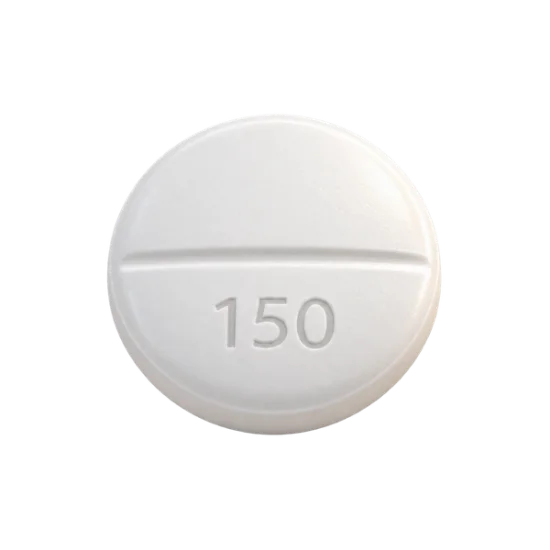
I noticed better alertness within the first week, but the first few days included a dry mouth and a mild headache. Keeping the dose early helped my sleep.
Armodafinil
Armodafinil promotes wakefulness during the prescribed waking period. It is used for excessive daytime sleepiness linked to narcolepsy, obstructive sleep apnoea and shift work sleep disorder. It can improve alertness, but it does not replace sleep or remove the airway obstruction of sleep apnoea.
Overview
Armodafinil is an oral wakefulness-promoting medicine containing the R-enantiomer of modafinil. Its clinical role is to reduce excessive sleepiness when a diagnosed sleep disorder continues to interfere with daytime function or an altered work schedule.
Excessive daytime sleepiness means an abnormal tendency to fall asleep or struggle to remain awake during intended waking hours. Unexplained sleepiness still needs assessment because sleep deprivation, depression, sedating medicines, anaemia and other conditions can produce similar symptoms.
Formulation
Armodafinil is an oral wakefulness-promoting medicine containing the R-enantiomer of modafinil.
Armodafinil is the R-enantiomer of modafinil. An enantiomer is one of two mirror-image forms of a molecule. The two medicines are closely related, yet their absorption and elimination profiles are not identical.
The FDA prescribing information describes armodafinil as a treatment for excessive sleepiness associated with specific disorders rather than a substitute for adequate sleep [1].
Therapeutic indications
Armodafinil is an oral wakefulness-promoting medicine containing the R-enantiomer of modafinil. Its clinical role is to reduce excessive sleepiness when a diagnosed sleep disorder continues to interfere with daytime function or an altered work schedule.
Excessive daytime sleepiness means an abnormal tendency to fall asleep or struggle to remain awake during intended waking hours. Unexplained sleepiness still needs assessment because sleep deprivation, depression, sedating medicines, anaemia and other conditions can produce similar symptoms.
Clinical Indications
| Condition | Source of sleepiness | Role of armodafinil |
|---|---|---|
| Narcolepsy | Abnormal sleep–wake regulation | Supports wakefulness during the day |
| Obstructive sleep apnoea | Repeated breathing interruptions during sleep | Addresses residual sleepiness after primary airway treatment |
| Shift Work Sleep Disorder | Misalignment between work hours and the body clock | Supports alertness during the scheduled night shift or work period |
For obstructive sleep apnoea, armodafinil does not open the airway or cure the underlying obstruction. Prescribed positive airway pressure therapy, weight management where appropriate, positional treatment or other sleep-apnoea care should continue.
Dosage and administration
Armodafinil tablets are taken orally. The dose is decided individually, taking age, other medicines and health conditions into account.
Adult Indication-Based Dosing
For adults with narcolepsy or obstructive sleep apnoea, the regimen is selected by the prescriber. For Shift Work Sleep Disorder, the timing is selected in relation to the work shift. The product sold on this page is a tablet presentation.
A higher dose does not automatically produce better concentration or safer driving. It can increase insomnia, headache, anxiety, nausea, palpitations and other adverse effects. Dose changes should be prescribed, not used to extend wakefulness after inadequate sleep.
- Take the prescribed dose by mouth at the scheduled time.
- Swallow the tablet as directed.
- Take it with or without food.
- If a dose is missed, take it when remembered unless it is close to the next intended sleep period.
- Do not double the next dose.
- Do not take a late dose to compensate for a missed dose unless the prescriber has given a specific plan.
The tablet should not be split, crushed or altered unless the prescribing information for that specific tablet permits it. A scored tablet is not automatically suitable for dose division.
Dose Adjustments in Older Adults and Hepatic Impairment
Older adults may clear medicines more slowly and may be more sensitive to blood-pressure changes, insomnia, dizziness and interactions. A prescriber may choose a lower initial dose and closer follow-up.
Moderate or severe hepatic impairment can increase exposure to armodafinil. Dose reduction and additional monitoring may be needed. Liver disease, alcohol use and other medicines that affect hepatic enzymes all influence the prescribing decision.
Children and Renal Impairment
Safety and efficacy for a routine Child Dose have not been established. Armodafinil should not be used to treat a child’s sleepiness without specialist assessment of the cause.
Renal impairment also requires individual review. Kidney disease does not provide a basis for self-adjusting the dose, especially when several medicines are being taken.
Administration is by mouth, at a consistent time selected for the diagnosed sleep disorder. The tablet may be taken with or without food. Food does not remove the medicine’s intended wakefulness-promoting action, although the timing of absorption can vary.
Food and Timing Instructions
A morning dose may fit daytime treatment. A shift-work dose is scheduled before the work period, not after the shift has already ended. Taking armodafinil late in the day can make it harder to fall asleep, even when the person feels tired.
Reasons not to use it
Cardiovascular Contraindications
Armodafinil requires careful cardiovascular assessment in people with:
- Uncontrolled moderate to severe hypertension
- Cardiac arrhythmias
- A history of left ventricular hypertrophy
- Ischaemic ECG changes
- Chest pain of unexplained or cardiac origin
- Clinical signs of mitral valve prolapse
Rash and Hypersensitivity Response
Discontinue armodafinil and obtain prompt medical advice at the first sign of a significant rash or hypersensitivity reaction. Do not restart after a suspected serious allergic reaction without specialist direction.
When this is not for you
This medication is not for you if a prescriber has identified a contraindication or a serious risk that outweighs the expected benefit.
A history of psychosis, depression or mania should be discussed before treatment. Armodafinil may aggravate anxiety, agitation, mood elevation or loss of contact with reality in susceptible people.
Possible side effects
Headache is the most frequently reported adverse effect. Other possible effects include nausea, dizziness, insomnia, dry mouth, reduced appetite, anxiety, palpitations and gastrointestinal discomfort.
Common Treatment Effects
Mild headache or nausea may occur early in treatment. Taking the tablet with food can make nausea easier to tolerate, while good fluid intake may help with dry mouth. Persistent or troublesome symptoms need a prescribing review.
Do not treat insomnia as proof that the medicine is working. Poor sleep can worsen next-day concentration and can make the underlying sleep disorder harder to assess.
Serious Skin, Psychiatric and Cardiovascular Reactions
Stop taking armodafinil and seek urgent medical advice if a rash develops, especially when it spreads or occurs with fever, facial swelling, mouth ulcers, blistering, skin peeling or eye irritation. Severe hypersensitivity reactions are uncommon but can become dangerous quickly.
Urgent assessment is also needed for chest pain, fainting, severe or persistent palpitations, marked breathlessness, new confusion, hallucinations, mania or suicidal thoughts. Call emergency services in New Zealand for severe breathing difficulty, collapse, chest pain or rapidly worsening swelling.
The FDA label describes psychiatric, cardiovascular and serious dermatological warnings that require active monitoring rather than passive observation [2].
How it affects the body
The medicine acts on brain systems involved in alertness. Its precise pharmacological mechanism is not fully defined, and it should not be treated as a general remedy for tiredness, low motivation or chronic sleep restriction.
Common mistakes
Several practical errors can reduce benefit or increase harm:
- Taking the tablet late after a missed morning dose can cause insomnia.
- Using armodafinil to compensate for repeated short nights hides sleep debt rather than correcting it.
- Stopping positive airway pressure therapy because daytime alertness improves leaves obstructive sleep apnoea untreated.
- Doubling the next dose after a missed dose increases adverse-effect risk.
- Sharing tablets exposes another person to cardiovascular, psychiatric and interaction risks.
- Assuming alertness guarantees safe driving is dangerous; drowsiness can return, and side effects can impair judgement.
Comparison
Armodafinil and modafinil are related wakefulness-promoting medicines, but they are not interchangeable on a simple milligram-for-milligram basis.
| Feature | Armodafinil | Modafinil |
|---|---|---|
| Active form | R-enantiomer of modafinil | Mixture of mirror-image forms |
| Clinical profile | Often prescribed once daily for defined sleepiness disorders | Dosing may be divided or scheduled differently by indication |
| Main limitation | Insomnia, headache, interactions and psychiatric or cardiovascular reactions remain possible | Similar safety concerns; switching still requires prescriber guidance |
An enantiomer is a mirror-image chemical form. Armodafinil may produce a longer-lasting concentration profile in some people, though response varies and a longer profile can also make late-day insomnia more likely.
Modafinil may suit a different dosing pattern or previous treatment history. Armodafinil may suit a once-daily plan for some patients. Neither is automatically better, and a switch should be planned by the prescriber.
What doctors say
A clinician generally expects Armodafinil to support wakefulness during the prescribed waking period, not to replace adequate sleep. Consistent use at the planned time is important, and unexplained sleepiness or troublesome effects should be assessed by a physician.
Common questions
Does armodafinil cause insomnia?
The FDA's 2023 prescribing information identifies insomnia as a recognised adverse effect because armodafinil promotes wakefulness beyond the desired treatment period in some people. The FDA product information identifies insomnia among common reactions and links risk to dose and timing [3]. Taking the prescribed dose late can worsen the problem. Persistent insomnia needs a review of dose timing, sleep schedule, caffeine and other stimulating medicines.
How soon does armodafinil become noticeable?
Some people report increased alertness during the first day, while others need several treatment days before the pattern is clear. A 2009 review in CNS Drugs described armodafinil as improving wakefulness in clinical studies of narcolepsy, obstructive sleep apnoea and Shift Work Sleep Disorder [4]. The response is not guaranteed to appear at one fixed time. Lack of benefit should lead to clinical review, not self-escalation. Keeping a record of alertness and sleep can help the clinician assess the response.
Which symptoms mean stopping armodafinil and seeking urgent care?
Stop the medicine and seek urgent medical advice for a significant rash, blistering, skin peeling, facial swelling or breathing difficulty. Emergency care is needed for chest pain, collapse, severe palpitations, severe breathlessness, suicidal thoughts or loss of contact with reality. The FDA's 2023 Medication Guide distinguishes mild headache or dry mouth from a rapidly worsening allergic or psychiatric reaction. Do not restart after a suspected serious hypersensitivity reaction without specialist advice.
Can older adults take armodafinil?
Older adults may take armodafinil only when the prescriber has assessed the indication, other medicines, blood pressure and organ function. The FDA's 2023 prescribing information supports closer observation when age, polypharmacy or cardiovascular disease increases the chance of adverse effects. A lower initial dose may be selected. Dizziness, insomnia, confusion, palpitations or mood changes should be reported promptly.
Can armodafinil be used for driving, concentration or machinery work?
Armodafinil may improve wakefulness, but it does not guarantee safe driving or reliable performance with machinery. The New Zealand Medicines and Medical Devices Safety Authority, Medsafe, stated in 2023 that medicine users should consider effects such as dizziness, impaired judgement and unexpected sleepiness when performing hazardous tasks. Do not drive if drowsy or affected by adverse effects. Test the individual response during a low-risk period before assuming normal work performance.
Which condition rules out armodafinil?
The FDA's 2023 prescribing information and the prescriber's assessment determine whether uncontrolled moderate to severe hypertension, significant arrhythmia, chest pain, certain structural heart findings or serious hypersensitivity concerns rule out treatment or require specialist assessment. The relevant risk is determined from the person’s history and clinical findings, not from self-testing. A history of psychosis or mania may also require a different treatment plan and close psychiatric monitoring. The prescriber should know about these conditions before treatment begins.
Do you offer anonymous delivery?
Your order will be securely packed and shipped within 24 hours. This is exactly what your package will look like (images of an actual item sent). It has the size and look of a regular private letter (24x11x0.7 cm) and its contents cannot be seen.
Sources
- U.S. Food and Drug Administration (2023). Nuvigil (armodafinil) Prescribing Information.
- U.S. Food and Drug Administration (2023). Nuvigil (armodafinil) Medication Guide.
- U.S. Food and Drug Administration (2023). Nuvigil (armodafinil) Clinical Pharmacology and Safety Information.
- CNS Drugs (2009). Armodafinil: a review of its use in excessive sleepiness associated with obstructive sleep apnoea/hypopnoea syndrome, shift work sleep disorder and narcolepsy.
Reviews: Armodafinil
The medicine helped me stay awake after lunch, although it did not fix the tired feeling after a poor night. I also found that taking it too late made it harder to settle that evening.
I stopped after developing a spreading rash and contacted the clinic the same day. The alertness benefit had been noticeable, but the skin reaction was not something I was willing to ignore.