Skip to content
Dexilant
Active ingredient: Dexlansoprazole

Dexilant

Quality products
24/7 Support
Fast delivery
Delivery from 4 days
Select pack Package Per unit Price

Free delivery on orders from $ 376.00, free express delivery from $ 564.00

Secure Payments
Track your order
Best price guarantee

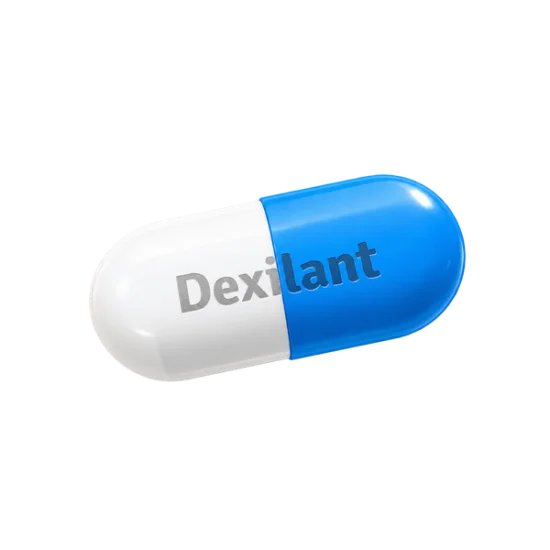
Adults with GERD or acid-related oesophageal irritation may be prescribed Dexilant, which contains the proton pump inhibitor dexlansoprazole. Its modified-release capsules reduce stomach-acid production, helping control heartburn and support healing in erosive oesophagitis.

Overview

Dexilant contains dexlansoprazole, an acid-suppressing medicine in the proton pump inhibitor class. It is used for selected acid-related conditions, including gastro-oesophageal reflux disease (GERD), heartburn associated with reflux, and erosive oesophagitis. The appropriate strength and treatment duration depend on the diagnosis, treatment goal, age, liver function, and prescriber’s plan.

Formulation

Dexilant contains dexlansoprazole, an acid-suppressing medicine in the proton pump inhibitor class.

Active Ingredient and Drug Class

Dexlansoprazole blocks the final stage of acid secretion in the stomach. Dexilant is supplied as a modified-release capsule, designed to release the active ingredient in two phases rather than all at once.

Acid suppression can reduce irritation in the oesophagus and give inflamed tissue an opportunity to heal. It does not treat every possible cause of chest discomfort, nausea, or swallowing difficulty.

Therapeutic indications

It is used for selected acid-related conditions, including gastro-oesophageal reflux disease (GERD), heartburn associated with reflux, and erosive oesophagitis.

Acid-Related Conditions and Symptoms

GERD occurs when stomach contents move back into the oesophagus and cause symptoms such as:

  • Burning behind the breastbone
  • Sour or bitter fluid reaching the throat
  • Regurgitation after meals or when lying down
  • Night-time reflux
  • Irritation or pain when swallowing
  • A sensation that food is sticking

Erosive oesophagitis means that reflux has damaged the lining of the oesophagus.

Dosage and administration

Capsule Handling

Swallow the capsule as directed. Do not crush or chew the capsule or its granules, because doing so can interfere with the modified-release design.

Some approved product instructions may allow the capsule contents to be administered in a specific way for people who cannot swallow capsules. That method must come from the applicable New Zealand product information or a pharmacist’s instruction, not from improvised opening, crushing, or mixing.

A common practical mistake is chewing the granules because they appear small. They are part of the release system, so chewing can change how the medicine is delivered.

Administration and Missed Doses

Use Dexilant by mouth at the prescribed strength and frequency.

  • Swallow the capsule whole unless an approved alternative method has been provided.
  • Take it at the time specified in the prescription or local product information.
  • Do not double the next dose after a missed dose.
  • If the next scheduled dose is near, skip the missed dose and resume the normal schedule.
  • Do not use extra doses for sudden breakthrough heartburn.

Food timing can vary according to the product directions. Dexilant’s dual delayed-release design may permit administration without regard to meals in some approved information, but the applicable New Zealand instructions and prescription should take priority.

Write the dose time in the same place you record other daily medicines. This reduces accidental duplication when reflux symptoms fluctuate.

The FDA prescribing information distinguishes treatment plans for erosive oesophagitis, maintenance of healed oesophagitis, and symptomatic non-erosive GERD [2].

Reasons not to use it

Specific interaction checks may be needed with medicines such as warfarin, methotrexate at high doses, tacrolimus, digoxin, certain antiretroviral medicines, and products containing iron or other minerals. The clinical relevance depends on the medicine, dose, kidney function, liver function, and treatment duration.

Tell the prescriber about previous low magnesium or vitamin B12, osteoporosis, kidney disease, liver disease, allergies to proton pump inhibitors, pregnancy, or breastfeeding.

When this is not for you

Dexilant is NOT for you if symptoms have not been assessed, alarm symptoms are present, or the expected benefit does not outweigh treatment risks; seek medical advice instead.

Persistent difficulty swallowing, vomiting blood, black stools, unexplained weight loss, recurrent vomiting, or severe chest pain requires prompt medical assessment rather than self-treatment for heartburn.

Possible side effects

Dexilant is tolerated by many users, but adverse effects can occur. Clinical trial and prescribing information identify headache, diarrhoea, abdominal discomfort, nausea, and flatulence among possible reactions.

Common Adverse Effects

Possible effects include:

  • Headache
  • Diarrhoea or constipation
  • Abdominal pain or discomfort
  • Nausea
  • Vomiting
  • Flatulence
  • Changes in taste

Mild symptoms may settle, but persistent diarrhoea deserves medical attention. Proton pump inhibitor treatment has been associated with gastrointestinal infections, including Clostridioides difficile diarrhoea, especially when diarrhoea is severe or prolonged.

Serious Reactions and Long-Term Considerations

Seek urgent help for facial or throat swelling, breathing difficulty, widespread rash, blistering skin, fainting, or rapidly worsening symptoms.

Longer treatment can require review of the continuing indication. Report muscle cramps, tremor, unusual weakness, palpitations, or seizures, because low magnesium can occur with prolonged proton pump inhibitor use. Low vitamin B12, bone-fracture risk in selected patients, and kidney inflammation are recognised concerns associated with longer-term acid suppression, although these effects are not expected in every user.

The European Medicines Agency has reviewed proton pump inhibitor safety issues including hypomagnesaemia, vitamin B12 considerations, and risks associated with prolonged use [3].

How it affects the body

Mechanism of Action of Dexilant

Dexlansoprazole belongs to the Proton Pump Inhibitor class. It acts on acid-producing parietal cells in the stomach, where it inhibits the proton pump responsible for the final step of gastric-acid secretion.

Proton Pump Inhibition

A proton pump works like the stomach’s final acid-release valve. Dexlansoprazole reduces the activity of this valve, so less acid enters the stomach.

This action differs from an antacid, which neutralises acid already present. It also differs from an alginate product, which forms a physical barrier that can reduce reflux into the oesophagus. Proton pump inhibition changes acid production over time rather than simply neutralising one episode of acid.

The New Zealand Formulary describes proton pump inhibitors as medicines requiring attention to indication, duration, interactions, and review of ongoing symptoms [1].

Acid Reduction and Tissue Healing

Lower acid exposure can reduce irritation and support healing in erosive oesophagitis. Heartburn may improve before damaged oesophageal tissue has fully recovered, so feeling better does not always mean that treatment should be stopped immediately.

Common mistakes

Correct Use Checklist

  • Swallow the modified-release capsule as directed.
  • Do not chew, crush, or split the capsule contents.
  • Do not increase the strength because of one bad reflux day.
  • Avoid doubling a dose after forgetting one.
  • Record night-time symptoms and breakthrough episodes.
  • Keep a current medicine list for interaction checks.
  • Report persistent diarrhoea, bleeding symptoms, or progressive swallowing difficulty.

One detail patients often miss is the difference between symptom control and disease control. Heartburn may settle while oesophageal inflammation still requires treatment.

Another frequent mistake is taking several acid medicines at overlapping times without recording them. This can make it difficult to identify which treatment is helping and can increase interaction or adverse-effect concerns.

Comparison

Dexilant and Related Acid-Suppression Options

Dexilant is one approach within acid suppression. The best option depends on the diagnosis, symptom pattern, response, interactions, and treatment duration.

Option Main approach Practical limitation
Dexilant Dual delayed-release proton pump inhibition Requires correct capsule handling and treatment review
Other proton pump inhibitors Proton pump inhibition with different release and dosing designs Switching requires clinical judgement; doses are not automatically equivalent
Antacid or alginate approach Neutralises acid or forms a barrier against reflux Usually provides shorter-term symptom control and may require timing checks

Proton Pump Inhibitor Comparison

Dexlansoprazole and other proton pump inhibitors reduce acid production through the same broad pharmacological target. Their formulations, approved indications, dosing schedules, and interaction profiles can differ.

A person who has not responded to one proton pump inhibitor may need assessment rather than an automatic switch. Persistent reflux can reflect poor adherence, ongoing trigger exposure, non-acid reflux, a motility disorder, or another diagnosis.

Stronger acid suppression is not automatically preferable. The aim is an appropriate level of treatment for the diagnosed condition, with review when symptoms persist or the treatment course becomes prolonged.

Antacid and Alginate Role

Antacid and alginate products may be used for short-lived breakthrough symptoms in some treatment plans. They should not be added routinely without checking timing, duplicate ingredients, and the reason symptoms continue.

Tell the pharmacist or prescriber about all acid-related products already being used. This includes occasional products taken only after meals or at night.

What doctors say

A clinician would usually start by confirming the reason for treatment. GERD symptoms, erosive oesophagitis, ulcer disease, medication-related irritation, and cardiac chest pain can require different approaches.

Doctors also consider whether reflux occurs mainly after meals, during sleep, or with bending and lifting. A symptom diary can reveal patterns that are not obvious from occasional recollection.

Dexilant may be useful when its release design suits the treatment plan, but it is not a universal solution for every upper-abdominal or chest symptom. The trade-off is clear: acid reduction can support healing, while prolonged or unnecessary suppression exposes the patient to avoidable treatment risks.

Common questions

Which diet, exercise, or habits can help or hinder Dexilant’s results?

Large late meals, lying down soon after eating, smoking, and individual trigger foods can worsen reflux symptoms despite acid suppression. Smaller meals, allowing time between eating and lying down, and maintaining a healthy activity pattern may help some people. The National Institute for Health and Care Excellence recommends lifestyle measures as part of reflux management, but individual triggers vary and rigid food bans are not necessary for everyone. NICE guidance published in 2014 supports tailoring lifestyle advice to the person’s symptoms.

How soon can Dexilant’s effect become noticeable?

Heartburn may improve before erosive oesophagitis has healed, so early symptom relief does not define the full treatment response. Medsafe-approved product information describes Dexilant as a treatment for acid-related conditions, with the course depending on the indication and prescribed strength. Persistent symptoms, worsening swallowing difficulty, or frequent night-time reflux require review rather than an unsupervised dose increase. Medsafe product information updated in 2024 directs patients to follow the prescribed course and seek review when symptoms persist.

Can alcohol be used while taking Dexilant?

Alcohol does not simply cancel the action of dexlansoprazole, but it can aggravate reflux and irritate the oesophagus in some people. The World Health Organization identifies alcohol reduction as relevant to several gastrointestinal and chronic-disease risks, with effects varying by amount and individual health. Avoid alcohol if it reliably triggers burning, regurgitation, vomiting, or poor adherence to the treatment schedule. World Health Organization guidance published in 2024 describes alcohol reduction as a relevant measure for several health risks.

How does Dexilant differ from the closest alternative by mechanism?

Dexilant contains dexlansoprazole, a Proton Pump Inhibitor that suppresses the final stage of stomach-acid production through a dual delayed-release design. An antacid mainly neutralises acid already present, while an alginate forms a barrier that can reduce reflux reaching the oesophagus. Other proton pump inhibitors target the same general acid-production pathway, but their formulations and dosing schedules differ, so dose substitution requires professional direction. U.S. Food and Drug Administration prescribing information from 2022 supports checking product-specific dosing before any substitution.

Can people under 18 use Dexilant?

Use in children and adolescents depends on age, diagnosis, formulation, and the locally approved indication. The American Academy of Pediatrics advises that persistent reflux symptoms in young people require assessment because feeding problems, swallowing symptoms, pain, and vomiting can have several causes. Dexilant should not be given to someone under 18 unless it has been specifically prescribed for that person. American Academy of Pediatrics guidance published in 2018 supports clinical assessment of persistent reflux symptoms in children and adolescents.

Do you offer anonymous delivery?

Your order will be securely packed and shipped within 24 hours. This is exactly what your package will look like (images of an actual item sent). It has the size and look of a regular private letter (24x11x0.7 cm) and its contents cannot be seen.

Sources

  1. New Zealand Formulary (2025). Dexlansoprazole monograph.
  2. U.S. Food and Drug Administration (2022). DEXILANT (dexlansoprazole) delayed-release capsules prescribing information.
  3. European Medicines Agency (2012). Proton pump inhibitors: risk of hypomagnesaemia.

Reviews: Dexilant

3.8
Based on 3 reviews
Darren, 37 Dunedin Five weeks
Verified
Rating: 5 out of 5

The night-time burning eased during the first week, and I stopped waking with a sour taste. I still had occasional symptoms after large late meals, so I started recording food and timing rather than taking extra capsules.

3 Nov 2026
Oliver D., 58 Upper Hutt Eight weeks
Verified
Rating: 3 out of 5

Dexilant helped the pain when swallowing, but the improvement was gradual. I made the mistake of chewing the contents once because I could not swallow the capsule easily, and the pharmacist explained why the granules should not be chewed.

7 Oct 2026
Simon, 68 New Plymouth Three months
Verified
Rating: 3.5 out of 5

My reflux was less troublesome, especially overnight, but I developed loose stools that continued for several days. The treatment was reviewed rather than simply continued, and the bowel symptoms were taken seriously.

23 Oct 2026
Get our free app Shop faster and track your orders 3.4 · 155 reviews Install