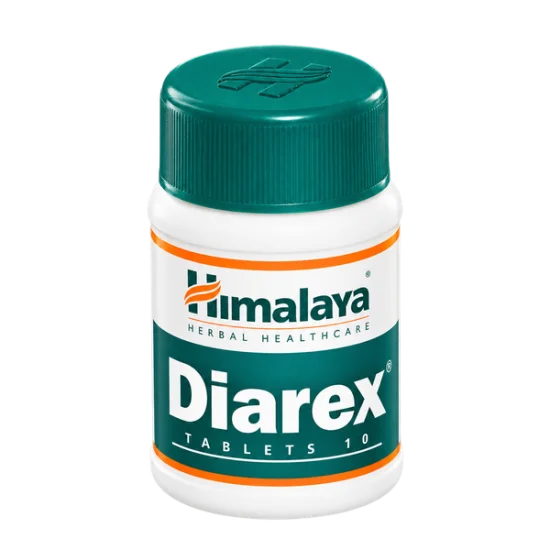
The stomach cramps settled first, and I was back to normal after a couple of days. I still needed rehydration drinks, so the tablets were not the whole solution.
Diarex is an oral herbal antidiarrhoeal product for adults who prefer a solid oral form during diarrhoeal illness. It is intended to support bowel regulation when loose stools occur alongside dietary disturbance or gastrointestinal irritation. Oral rehydration remains central because repeated loose stools can cause water and electrolyte loss [1].
Overview
Diarex is an oral herbal antidiarrhoeal product intended to support bowel regulation during diarrhoeal illness. It is supplied as tablets rather than a liquid, which may suit adults who prefer a solid oral form. The product is associated with the antidiarrhoeal category and may be used when loose stools occur alongside dietary disturbance or gastrointestinal irritation.
Formulation
For a pharmacist, the practical points are:
- Diarex is taken by mouth as a tablet.
- The product is intended for gastrointestinal support.
- It is supplied in a bottle containing 30 tablets.
- The exact amount to use depends on the purpose of treatment and is agreed with a doctor or pharmacist.
- A herbal formulation should not automatically be assumed to treat bacterial, parasitic, or inflammatory disease.
Therapeutic indications
Diarex may be considered for short-term gastrointestinal upset involving loose stools. The underlying cause still determines whether self-care is appropriate.
Possible clinical situations include:
- uncomplicated acute diarrhoea without red-flag symptoms;
- loose stools following dietary indiscretion;
- mild intestinal irritation;
- abdominal cramping associated with altered bowel movements;
- supportive care during recovery from a brief gastrointestinal illness.
Chronic diarrhoea requires a different approach. Symptoms lasting several weeks can be linked to coeliac disease, inflammatory bowel disease, malabsorption, thyroid disorders, medication effects, or persistent infection. A herbal antidiarrhoeal tablet should not replace investigation of these causes.
The terms dysentery and amoebiasis describe conditions that need medical evaluation. Blood or mucus in stool, fever, marked abdominal pain, weight loss, or travel-related illness can signal a problem requiring diagnostic testing and targeted treatment. Diarex should not be presented as a stand-alone treatment for amoebiasis or dysentery.
Irritable bowel syndrome may involve diarrhoea, constipation, pain, bloating, or changing bowel patterns. Symptom support can form part of an IBS plan, but recurrent diarrhoea needs a confirmed diagnosis before long-term self-treatment.
Dosage and administration
Diarex is taken orally as a tablet. How much to use and how often depends on the purpose of use and is agreed with a doctor or pharmacist.
The practical administration principles are:
- swallow the tablet with sufficient fluid;
- use the agreed schedule rather than taking extra tablets after each loose stool;
- avoid exceeding the recommended amount;
- maintain fluid and electrolyte intake during diarrhoea;
- if a dose is missed, take the next scheduled dose rather than automatically doubling it;
- seek medical advice if symptoms continue, worsen, or recur frequently.
The product is supplied as 30 tablets. The number of tablets in the bottle does not define the correct treatment duration because the appropriate course depends on the clinical purpose.
Children and teenagers should not be given an adult herbal tablet schedule without a clinician’s direction. Children can become dehydrated more quickly, especially when vomiting accompanies diarrhoea.
Reasons not to use it
- blood or black stool;
- high fever or chills;
- severe, persistent, or localised abdominal pain;
- repeated vomiting that prevents fluid intake;
- marked dehydration;
- suspected dysentery or amoebiasis;
- diarrhoea after recent hospitalisation or antibiotic treatment;
- unexplained weight loss or persistent night symptoms;
- known allergy to any ingredient;
- pregnancy or breastfeeding without individual clinical advice;
- significant liver or kidney disease;
- use in a child or teenager without age-appropriate guidance.
Herbal products may affect tolerability, absorption, or the practical management of medicines used for diabetes, blood pressure, epilepsy, anticoagulation, or immune conditions.
When this is not for you
This product is NOT for you if you have blood or black stool, high fever, severe or localised abdominal pain, repeated vomiting, or signs of dehydration. Do not rely on self-treatment if diarrhoea follows antibiotics or hospitalisation, if you are pregnant or breastfeeding without advice, or if the product is for a child or teenager. Ask a doctor or pharmacist before use if you have liver or kidney disease, an allergy to an ingredient, or take several regular medicines.
Possible side effects
Diarex should be treated as a medicinal herbal product with possible individual tolerability differences. The absence of a known adverse-effect pattern does not mean that every user will tolerate every botanical component.
Possible problems may include:
- nausea or stomach discomfort;
- constipation if bowel activity becomes too slow;
- bloating or abdominal discomfort;
- an allergic reaction to a botanical ingredient;
- worsening symptoms when the underlying illness needs specific treatment.
Stop using the product and obtain urgent medical care for facial swelling, breathing difficulty, widespread hives, fainting, severe abdominal pain, blood in stool, confusion, or signs of serious dehydration.
A dry mouth, dizziness, very dark urine, reduced urination, unusual weakness, or a rapid heartbeat can indicate fluid depletion from diarrhoea. These symptoms relate to dehydration and should not be dismissed as a minor tablet side effect.
The Medsafe approach to complementary medicines places emphasis on product-specific safety information, adverse reactions, and appropriate use. Serious or unexpected reactions should be reported through the relevant medicines-safety pathway [3].
Pregnancy and breastfeeding require extra caution because herbal ingredients can have limited reproductive safety data. People with liver disease, kidney disease, inflammatory bowel disease, or multiple medicines should discuss use before starting.
How it affects the body
A diarrhoeal episode involves more than frequent bowel movements. Increased intestinal secretion, faster movement through the bowel, irritation of the intestinal lining, changes in gut microorganisms, and reduced absorption of water can all contribute.
Herbal antidiarrhoeal products are generally intended to support one or more of these processes through botanical actions such as:
- astringent activity, which may reduce excessive intestinal secretion;
- soothing or demulcent activity, which may help calm irritated mucosal surfaces;
- antispasmodic activity, which may reduce cramping caused by intestinal contractions;
- antimicrobial activity in laboratory or traditional settings, where relevant to the individual botanical;
- support for more regular gastrointestinal function during recovery.
The intestinal mucosa is the protective lining of the digestive tract. When it is irritated, people may experience urgency, cramps, loose stools, and increased sensitivity to food. A product with astringent or soothing properties may help reduce symptoms, while oral rehydration addresses the fluid losses that create the greatest immediate risk.
The European Medicines Agency evaluates many herbal substances through traditional-use and well-established-use frameworks. Such frameworks recognise differences between traditional experience, laboratory findings, and high-quality clinical evidence [2]. The National Institute for Health and Care Excellence (NICE) also publishes clinical guidance relevant to diarrhoea and gastrointestinal conditions.
One practical detail is easy to miss: diarrhoea after antibiotics may reflect an altered intestinal microbiome rather than a simple dietary upset. Repeatedly suppressing symptoms without identifying the cause can delay appropriate care.
Common mistakes
Several use patterns can reduce benefit or delay appropriate care:
- taking extra tablets after every loose stool;
- using the product without replacing fluid and electrolytes;
- continuing self-treatment despite blood, fever, or worsening pain;
- giving adult tablets to children without clinical direction;
- assuming a herbal product can eradicate every intestinal infection;
- treating recurring diarrhoea as repeated isolated episodes;
- failing to mention recent antibiotics or regular medicines;
- restarting the product without identifying why symptoms returned.
Food choices can affect comfort during recovery. Smaller meals may be easier to tolerate than large fatty meals. Alcohol can worsen fluid loss and irritate the digestive tract. Very sugary drinks may draw water into the intestine and make loose stools worse in some people.
Exercise should be light while active diarrhoea, dizziness, or weakness is present. Returning to strenuous activity before hydration is restored can increase the risk of faintness.
Comparison
Diarex belongs to a different therapeutic category from oral rehydration products and prescription anti-infective treatment. The approaches below are compared by purpose rather than by brand.
| Approach | Main role | Main limitation |
|---|---|---|
| Herbal antidiarrhoeal tablet | Symptom support and bowel regulation | Does not establish the cause of diarrhoea |
| Oral rehydration solution | Replaces water and electrolytes | Does not directly stop every loose stool |
| Clinician-directed treatment | Targets a diagnosed infection or disease | Requires assessment and may require testing |
Oral rehydration is central when fluid loss is significant. A symptom-support product may be used alongside hydration when no warning signs are present, but it should not displace rehydration.
Prescription treatment is selected according to the diagnosis. Antibiotics are not suitable for every diarrhoeal illness, and antiparasitic treatment requires a clinical reason. A healthcare professional may request stool testing when symptoms are prolonged, severe, recurrent, or associated with travel or immune suppression.
What doctors say
In clinical practice, doctors usually separate symptom control from cause control. A person with one brief episode of loose stool and no warning signs may need hydration, rest, and short-term support. A person with fever, blood in stool, dehydration, or prolonged symptoms needs assessment instead of repeated symptom suppression.
A clinician would also ask about recent antibiotics, travel, untreated water, sick contacts, new medicines, alcohol intake, food triggers, and previous bowel disease. These questions can change the recommended treatment.
The World Health Organization continues to place fluid and electrolyte replacement at the centre of diarrhoeal illness care. A herbal tablet may have a supportive role, yet it does not replace rehydration or diagnostic treatment when the illness is severe .
The most common practical mistake is judging improvement only by fewer bowel movements. A person may still be dehydrated even when stool frequency has fallen.
Common questions
How long does a Diarex course last, and is long-term use acceptable?
The appropriate course depends on the reason for use and is agreed with a doctor or pharmacist. The WHO’s 2024 diarrhoeal disease guidance supports prompt hydration and assessment when symptoms are severe or prolonged. Long-term or repeated use should not continue without identifying the cause of recurring diarrhoea. Persistent symptoms can require stool testing, blood tests, or evaluation for bowel disease. A pharmacist can help decide when further assessment is needed.
Can alcohol be used while taking Diarex?
Alcohol is best avoided during active diarrhoea because it can worsen fluid loss, stomach irritation, dizziness, and poor sleep. The WHO’s 2024 public-health information on diarrhoeal illness supports prioritising fluid and electrolyte replacement during recovery. Alcohol may also make it harder to judge whether weakness comes from dehydration or another problem. Wait until bowel function and hydration have returned to normal.
Can Diarex cause constipation?
A product intended to reduce loose stools may contribute to firmer stools or constipation in some people, depending on individual sensitivity and the formulation. Medsafe’s 2023 complementary-medicine safety guidance supports stopping a product when a new or troublesome reaction develops. Severe abdominal swelling, persistent pain, vomiting, or inability to pass stool needs prompt assessment. Do not take extra tablets to manage a bowel change without clinical advice.
Can people under 18 use Diarex?
Use in children and teenagers should be decided by a doctor or pharmacist because dehydration can progress quickly in younger people. The WHO’s 2024 diarrhoeal disease information places special emphasis on fluid replacement for children with diarrhoea. An adult tablet schedule should not be transferred to a child. Urgent assessment is needed for reduced urination, unusual sleepiness, repeated vomiting, blood in stool, or worsening weakness.
What happens after stopping Diarex, and is tapering needed?
A short course of a symptom-support tablet usually does not require tapering, but symptoms may return if the underlying cause remains. The European Medicines Agency’s 2017 herbal-medicine framework distinguishes short-term traditional use from treatment of a diagnosed chronic disease. Stopping may reveal that diarrhoea was still active rather than causing a withdrawal reaction. Recurrent symptoms need review instead of repeated unsupervised courses.
Which diet, exercise, or habits help or hinder recovery?
Small meals, adequate oral rehydration fluid, rest, and gradual return to normal food can support recovery. WHO guidance from 2024 supports continued hydration during diarrhoeal illness, while alcohol and strenuous exercise can hinder recovery by increasing fluid loss or fatigue. Very fatty meals and large amounts of sugary drinks may aggravate symptoms in some people. Handwashing and safe food preparation also reduce the chance of spreading infectious diarrhoea.
Is Diarex suitable for older adults?
Older adults may be more vulnerable to dehydration, kidney complications, dizziness, and medicine interactions during diarrhoea. Medsafe’s 2023 complementary-medicine safety guidance supports reviewing all medicines and health conditions before adding a herbal product. A clinician may need to consider blood-pressure medicines, diuretics, diabetes treatment, anticoagulants, and kidney function. Prompt assessment is appropriate when an older person becomes weak, confused, unusually sleepy, or urinates much less.
Do you offer anonymous delivery?
Your order will be securely packed and shipped within 24 hours. This is exactly what your package will look like (images of an actual item sent). It has the size and look of a regular private letter (24x11x0.7 cm) and its contents cannot be seen.
Sources
- World Health Organization (2024). Diarrhoeal disease — fact sheet.
- European Medicines Agency (2017). Assessment of herbal medicinal products and traditional herbal medicinal products.
- Medsafe (2023). Complementary medicines and natural health products: safety information.
Reviews: Diarex
I noticed less urgency by the next day. The first few hours were uncomfortable, and I made the mistake of eating a heavy meal too soon.
The tablets did not make much difference during the first day. I developed a fever later and stopped relying on self-care, which was the right decision.
It helped one episode, but the problem returned the following week. A medical review found that repeated symptom treatment was not enough for my situation.