Skip to content
Fluoxetine
Active ingredient: Fluoxetine

Fluoxetine

Quality products
24/7 Support
Fast delivery
Delivery from 4 days
Select pack Package Per unit Price

Free delivery on orders from $ 376.00, free express delivery from $ 564.00

Secure Payments
Track your order
Best price guarantee

Fluoxetine is a selective serotonin reuptake inhibitor used for major depressive disorder, obsessive-compulsive disorder, and bulimia nervosa. It may improve mood, reduce obsessive thoughts, and lessen compulsive behaviours through gradual changes in serotonergic neurotransmission; the regimen for the chosen strength should be confirmed with a healthcare professional before starting.

Overview

Fluoxetine, the active ingredient of Fluoxetine, is a selective serotonin reuptake inhibitor (SSRI) used for depression, obsessive-compulsive disorder, and bulimia nervosa.

Formulation

The product composition is fluoxetine hydrochloride, the hydrochloride salt of fluoxetine. This salt form provides a stable pharmaceutical material for oral capsule manufacture.

Fluoxetine is the active free-base molecule. Fluoxetine hydrochloride is its hydrochloride salt form, created by combining fluoxetine with hydrochloric acid during pharmaceutical manufacture.

The salt form improves handling and supports consistent production of oral dosage forms. Once swallowed, the active fluoxetine component produces the pharmacological effect. The salt name does not indicate a different antidepressant mechanism.

The regimen for the chosen strength should be confirmed with a healthcare professional before starting.

Therapeutic indications

Fluoxetine hydrochloride belongs to the SSRI class. It is used in mental health care for major depressive disorder, obsessive-compulsive disorder (OCD), and bulimia nervosa. Fluoxetine may improve mood, reduce persistent sadness, lessen obsessive thoughts, and decrease compulsive behaviours when prescribed for an appropriate diagnosis [1].

Major depressive disorder can involve low mood, loss of interest, sleep changes, reduced concentration, fatigue, guilt, and thoughts of death. Fluoxetine may reduce these symptoms through gradual changes in serotonergic neurotransmission.

OCD involves recurring unwanted thoughts and repetitive behaviours or mental rituals. Fluoxetine is usually combined with psychological treatment, such as exposure and response prevention, when clinically appropriate.

Bulimia nervosa involves recurrent binge-eating episodes followed by compensatory behaviours. Fluoxetine may help reduce binge-eating and purging symptoms as part of a structured treatment plan.

Generalized anxiety disorder is not the main approved indication described for every fluoxetine product, although clinicians may prescribe SSRIs for anxiety disorders according to local practice and individual assessment. A diagnosis, rather than a single symptom, guides treatment selection.

Dosage and administration

The capsules are intended for oral use. The regimen for the chosen strength should be confirmed with a healthcare professional before starting, since the suitable schedule depends on the condition, age, previous treatment, liver function, and other medicines.

Dosage and Administration

The regimen for the chosen strength must be confirmed with a healthcare professional before starting. Fluoxetine is taken orally as a capsule, swallowed with water, and used at the prescribed frequency.

Typical clinical use may involve one daily dose, but the appropriate regimen can differ by diagnosis, age, liver function, previous antidepressant exposure, and response. A prescriber may adjust the schedule gradually rather than changing it abruptly.

Practical administration points include:

  • Take the capsule at the same time each day.
  • Take it with or without food.
  • Use an earlier dose if it causes insomnia or unusual alertness.
  • Do not double the next dose after forgetting one.
  • Do not stop suddenly without a planned review, even though fluoxetine has a lower discontinuation risk than shorter-acting SSRIs.
  • Allow sufficient time for the therapeutic response unless serious adverse effects require earlier review.

If a dose is missed, take it when remembered unless the next scheduled dose is near. In that case, skip the missed dose and resume the regular schedule. Extra capsules can increase adverse effects without producing faster improvement.

Reasons not to use it

Fluoxetine must not be combined with monoamine oxidase inhibitors (MAOIs), including medicines used for depression or certain infections. A washout interval is required when changing between fluoxetine and an MAOI because fluoxetine and norfluoxetine remain in the body for a long time.

  • Pimozide or thioridazine because of serious cardiac and pharmacokinetic concerns.
  • Tamoxifen because CYP2D6 inhibition may reduce formation of its active metabolite.
  • Anticoagulants, antiplatelet medicines, and regular anti-inflammatory pain medicines because bleeding risk may increase.
  • Medicines metabolised by CYP2D6, including some antipsychotics, antiarrhythmics, and beta-blockers.

When this is not for you

Fluoxetine is not suitable for you if you are currently taking an MAOI or have experienced a serious allergic reaction to fluoxetine or one of its ingredients. It also requires specialist review when there is a history of bipolar disorder, mania, seizures, severe liver disease, significant bleeding, or an eating disorder with medical instability.

Additional caution applies with:

  • Current suicidal intent or rapidly worsening depression.
  • Personal or family history of bipolar mania.
  • Low sodium, dehydration, or treatment with medicines that can lower sodium.
  • Heart-rhythm problems or medicines that prolong the QT interval.
  • Pregnancy or breastfeeding.
  • Concurrent anticoagulant or antiplatelet treatment.
  • A planned operation or procedure with bleeding risk.

Medsafe safety information for antidepressants emphasises monitoring for psychiatric changes, interactions, and clinically significant adverse effects [2].

Possible side effects

Common adverse effects include nausea, diarrhoea, headache, dry mouth, sweating, tremor, nervousness, restlessness, insomnia, fatigue, and sexual dysfunction. Many early effects lessen during the first weeks, although persistent symptoms deserve a treatment review.

Fluoxetine can affect sexual desire, arousal, orgasm, or ejaculation. Some people notice these effects soon after starting treatment; others develop them later. Post-SSRI Sexual Dysfunction (PSSD) has been reported after treatment, though its frequency, mechanism, and prognosis remain subjects of clinical research.

Weight changes can occur. Appetite may fall at first, while some people gain weight during longer treatment. Fluoxetine can also cause skin reactions or allergic symptoms.

Seek urgent medical help for symptoms that suggest serotonin syndrome: high fever, marked agitation, confusion, heavy sweating, diarrhoea, muscle rigidity, muscle twitching, or a rapidly changing heart rate. The risk rises when fluoxetine is combined with other serotonergic medicines.

Suicidal thoughts or sudden worsening of depression require prompt clinical assessment, especially during treatment initiation or dose changes in adolescents and young adults. Fluoxetine does not create suicidal thinking in every patient, yet mood monitoring remains a recognised part of SSRI treatment.

Seizures are uncommon but clinically significant. The risk is higher with a seizure disorder, eating disorders, alcohol withdrawal, certain medicines, or conditions that lower the seizure threshold.

A urine drug screen can occasionally show a false-positive amphetamine result in someone taking fluoxetine. Tell the testing service about prescribed medicines before the result is interpreted.

How it affects the body

Fluoxetine blocks the serotonin transporter, which normally removes serotonin from the synaptic cleft between nerve cells. This increases serotonin availability around the receiving neuron and strengthens serotonergic neurotransmission over time.

The clinical response is delayed because mood and anxiety circuits adapt gradually. Serotonin levels change soon after treatment begins, while improvements in motivation, intrusive thoughts, or depressive symptoms may take several weeks.

Fluoxetine does not work like a sedative. It does not create an immediate calming effect, and taking extra capsules does not speed recovery. The FDA prescribing information describes fluoxetine as a selective serotonin reuptake inhibitor with activity that persists because of its long-lived metabolite .

Fluoxetine hydrochloride is converted and metabolised mainly in the liver. CYP2D6 contributes to metabolism, and CYP2C19 can also influence exposure. Fluoxetine is a potent CYP2D6 inhibitor, so it may raise concentrations of medicines that rely on this enzyme for clearance.

Norfluoxetine is an active metabolite. It remains in the body for a prolonged period, contributing to fluoxetine’s long pharmacological tail. This explains why adverse effects and interaction potential can continue after the final capsule.

Common mistakes

Several avoidable patterns can reduce benefit or increase risk:

  • Stopping after a few days because mood has not improved.
  • Taking extra capsules after a difficult day.
  • Taking the capsule late at night despite insomnia.
  • Combining fluoxetine with another serotonergic product without checking the interaction.
  • Failing to report tramadol, migraine medicines, lithium, or herbal supplements.
  • Assuming a missed dose should be replaced with two capsules.
  • Ignoring new agitation, suicidal thoughts, unusual energy, or severe diarrhoea.
  • Opening capsules and dividing the powder by eye.
  • Stopping treatment immediately after improvement without a planned review.
Keep a simple daily record of dose timing, sleep, anxiety, mood, and side effects for the first few weeks. A short record often reveals whether insomnia began after a timing change or after another medicine was added.

Comparison

Antidepressant selection depends on diagnosis, previous response, sleep pattern, anxiety, sexual side effects, interactions, suicide risk, pregnancy status, and medical history. Fluoxetine has a long elimination profile, which can make missed doses less disruptive than with some shorter-acting antidepressants, though irregular use still reduces treatment reliability.

Treatment approach Main pharmacological profile Practical trade-off
Fluoxetine SSRI with a long-lived active metabolite May be activating; drug interactions can persist after stopping
Other SSRIs Increase serotonin signalling through transporter inhibition Half-life, sexual effects, withdrawal symptoms, and tolerability vary
Non-SSRI antidepressants Act on other neurotransmitter systems May suit selected patients but can bring different cardiovascular, seizure, sleep, or blood-pressure concerns

Fluoxetine is often considered when a prescriber wants an SSRI with a relatively long half-life or an option that is less sedating for some patients. It may be less suitable when insomnia, agitation, low body weight, or multiple interacting medicines are already concerns.

Other SSRIs may be preferred when a patient has previously responded well to one of them. A non-SSRI approach may be considered after inadequate response, troublesome sexual symptoms, or a contraindication to serotonergic treatment.

What doctors say

In clinical practice, doctors often assess sleep, appetite, anxiety, energy, concentration, suicidal thinking, and functional improvement rather than relying only on whether mood feels better. A patient may sleep better before motivation returns, or experience less panic before depressive symptoms improve.

Prescribers also ask about activation. New restlessness, racing thoughts, unusually reduced need for sleep, impulsive behaviour, or elevated mood can indicate a switch toward mania and requires prompt assessment.

Fluoxetine works best when the treatment plan is reviewed at useful intervals. A dose that helped one depressive episode may not be appropriate for another, and a partial response can require psychotherapy, adherence review, dose adjustment, or a different treatment strategy.

A doctor would also consider the long half-life before switching medicines. The absence of immediate withdrawal symptoms does not mean that an interaction-free switch can occur without a washout plan.

Common questions

What should I do after missing a Fluoxetine dose?

Take the missed capsule when remembered unless the next scheduled dose is close. If the next dose is near, skip the missed capsule and continue normally; do not take two capsules together. The FDA prescribing information available in 2023 describes fluoxetine’s long half-life, yet regular dosing remains necessary for consistent treatment. Contact the prescribing service promptly if several doses have been missed or symptoms worsen. A pharmacist can also clarify the dosing schedule.

Can Fluoxetine cause sexual side effects?

Yes. Reduced libido, delayed orgasm, difficulty reaching orgasm, or erectile and ejaculation problems can occur with SSRIs, including fluoxetine. The Medsafe fluoxetine data sheet in 2024 describes sexual dysfunction among recognised adverse effects, although individual experiences vary. Persistent symptoms should be discussed before changing the dose or stopping treatment.

What should I do if the expected result does not come?

Do not increase the dose yourself or stop after a short trial. A clinician may review adherence, diagnosis, sleep, substance use, other medicines, bipolar symptoms, and the time allowed for treatment response. NICE depression guidance from 2022 supports reassessment when improvement is limited or adverse effects interfere with treatment. Urgent help is needed for suicidal intent, severe agitation, or rapidly worsening mood.

Can Fluoxetine be used during pregnancy or breastfeeding?

Pregnancy and breastfeeding require an individual assessment of maternal benefit, fetal or infant considerations, previous relapse, and available alternatives. The EMA product information framework in 2023 recognises that SSRI exposure near birth can be associated with neonatal adaptation symptoms, while untreated depression also carries clinical risks. Fluoxetine and norfluoxetine can enter breast milk, so infant feeding, sleep, weight gain, and maternal response may be monitored. Do not stop suddenly after becoming pregnant.

Do you offer anonymous delivery?

Your order will be securely packed and shipped within 24 hours. This is exactly what your package will look like (images of an actual item sent). It has the size and look of a regular private letter (24x11x0.7 cm) and its contents cannot be seen.

Available Formulations and Dosing Patterns

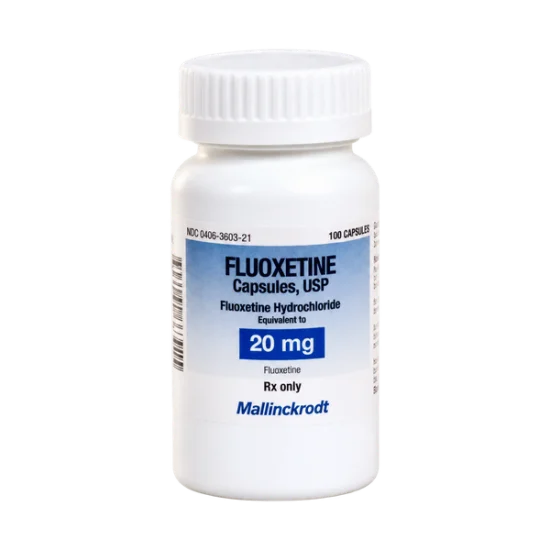
Fluoxetine is available in several pharmaceutical formats in different markets, including oral capsules, tablets, liquid preparations, and longer-interval formulations. These products are not interchangeable by appearance or schedule. The Fluoxetine product described here is a 20 mg capsule.

Liquid fluoxetine can help people who cannot swallow capsules, while modified or delayed-release products may use a different dosing interval. A capsule should not be opened, crushed, or mixed into food unless the product-specific instructions explicitly permit that method.

Do not open a capsule to divide the contents. Powder loss can change the amount taken, and fluoxetine capsules are designed to be swallowed as a unit.

Sources

  1. U.S. Food and Drug Administration (2023). Prozac (fluoxetine hydrochloride) Prescribing Information.
  2. Medsafe (2024). Fluoxetine Data Sheet.

Reviews: Fluoxetine

3.4
Based on 4 reviews
Jonathan, 47 Hastings The first week to the fourth week
Verified
Rating: 5 out of 5

I used the 20 mg capsule for depression. The first week brought nausea and restless sleep, but eating breakfast before the dose helped. By the fourth week, getting through work felt less exhausting.

7 Oct 2026
Jessica, 39 Taupō About a month
Verified
Rating: 3.5 out of 5

Fluoxetine reduced the obsessive checking after about a month. I still had occasional intrusive thoughts, so medication alone was not enough. The sexual side effects were difficult and led to a review of my treatment.

16 Oct 2026
Thomas, 67 Levin Six weeks
Verified
Rating: 3 out of 5

My mood improved gradually over six weeks. I missed one capsule and did not take two together. The main problem was sweating, especially during walks, although it became less noticeable later.

21 Oct 2026
Matthew, 33 Nelson The first two weeks
Verified
Rating: 2 out of 5

The first two weeks made me feel wired and I slept badly. My prescriber changed the timing and monitored the symptoms. The medicine was later stopped after a review because the activation remained troublesome.

3 Nov 2026
Get our free app Shop faster and track your orders Install