Pukekohe, took the 70 mg tablet weekly for several months. He found the morning routine manageable after linking it to a recurring reminder, and a later review showed stable bone density. His first dose caused mild heartburn because he lay down too soon.
Fosamax contains alendronate sodium, a bisphosphonate used for selected adults with osteoporosis and some cases of Paget’s disease of bone. Its dose is decided individually, taking age, other medicines, and health conditions into account, while its action slows bone breakdown to help preserve bone strength.
Overview
Fosamax is a bisphosphonate medicine containing alendronate sodium. It is used for selected adults with osteoporosis and for some cases of Paget’s disease of bone.
Formulation
The active ingredient is alendronate sodium, also described pharmacologically as alendronic acid supplied as the sodium salt. It is a bisphosphonate.
Therapeutic indications
Fosamax contains alendronate sodium and belongs to the bisphosphonate group of bone and joint medications. It is used in selected adults to treat osteoporosis and may help prevent further bone loss when fracture risk is clinically significant. It is also used for Paget’s disease of bone under a different treatment plan.
Osteoporosis makes bones less dense and more fragile. A person can have substantial bone loss without feeling pain until a fracture occurs. Fosamax reduces the activity of osteoclasts, the cells that remove old bone, so bone remodelling can favour the preservation of bone strength. Its benefit develops over time rather than providing immediate pain relief. [1]
Treatment decisions consider bone density, previous fractures, age, fall risk, kidney function, swallowing ability, and other medicines. Exercise, adequate nutrition, and fall prevention remain useful parts of bone-health care.
Osteoporosis Treatment and Prevention
For osteoporosis treatment, Fosamax may be prescribed when the expected fracture risk justifies an oral bisphosphonate. In some adults, it is also used to help prevent osteoporosis from progressing after bone density has fallen or risk factors have changed.
A higher bone-density result does not guarantee that fractures cannot occur. Fracture history, balance, muscle strength, corticosteroid use, smoking, alcohol intake, and falls also influence risk.
Paget’s Disease of Bone
Paget’s disease of bone causes areas of unusually rapid and disorganised bone remodelling. The affected bone may become enlarged, painful, or structurally weaker. Alendronate can be used for this condition, but the dose and duration differ from the once-weekly osteoporosis schedule.
Dosage and administration
For the osteoporosis regimen, the dose is decided individually, taking age, other medicines, and health conditions into account. It should be taken exactly as prescribed and not combined with a separate daily or weekly alendronate schedule.
Do not change from weekly to daily use independently. Different alendronate regimens are not interchangeable without a prescriber’s direction. Paget’s disease uses its own treatment plan.
If a weekly dose is missed, patients should not take two tablets together. The missed-dose action should follow the New Zealand product information or the individual instruction provided by the prescribing team.
Take Fosamax after getting up for the day, before breakfast or any other drink or medicine.
- Swallow one prescribed tablet with a full glass of plain water.
- Do not chew, crush, or suck the tablet.
- Remain sitting or standing for at least 30 minutes.
- Wait at least 30 minutes before eating, drinking anything other than plain water, or taking other oral medicines.
- Take calcium, iron, magnesium, antacids, and multivitamins later, according to the treatment instructions.
Morning Administration Routine
Plain water is required because coffee, tea, juice, mineral water, and some fortified drinks can interfere with alendronate absorption. Taking the tablet with breakfast can sharply reduce the amount reaching bone.
Remaining upright helps the tablet pass into the stomach and reduces contact with the oesophagus. A person unable to sit or stand upright for 30 minutes may not be suitable for oral alendronate.
Do not take Fosamax at bedtime. Do not take it with milk, juice, coffee, mineral water, or another medicine.
Missed Dose and Administration Errors
Taking two tablets together after a missed weekly dose can increase adverse effects without restoring the intended schedule. A missed dose should be managed using the approved product instructions or the prescriber’s plan.
Vitamin D status may still require separate assessment. A combination product does not guarantee that every person receives the amount appropriate for their needs.
Calcium supplements must not be taken with Fosamax. The same separation applies to iron, magnesium, antacids, and multivitamins that contain minerals.
Reasons not to use it
Fosamax is not suitable for everyone. It may be inappropriate if any of the following applies:
- An allergy to alendronate or another ingredient in the tablet
- Inability to sit or stand upright for at least 30 minutes
- Abnormalities of the oesophagus that delay emptying
- Difficulty swallowing that has not been assessed
- Significant low blood calcium that requires correction
- Severe kidney impairment, depending on clinical assessment
- A previous serious reaction to an oral bisphosphonate
A prescriber should know about oesophageal disease, severe reflux, kidney disease, low calcium or vitamin D, swallowing problems, dental infections, planned invasive dental work, and current or recent corticosteroid treatment.
Calcium, iron, magnesium, antacids, and multivitamins can reduce alendronate absorption when taken too close to the tablet. Other medicines may also affect suitability through kidney, gastrointestinal, or calcium-related effects.
Pregnancy and breastfeeding require a separate clinical assessment because Fosamax is not routinely used for these situations.
When this is not for you
Fosamax may not be for you if you cannot remain upright for 30 minutes, have trouble swallowing, or have an unassessed problem with your oesophagus. Tell your prescriber if you have severe reflux, kidney disease, low calcium or vitamin D, dental problems, or planned invasive dental work. You may also need a different treatment if you have had a serious reaction to an oral bisphosphonate or cannot follow the morning administration routine.
Possible side effects
Fosamax can cause digestive symptoms, especially when the administration routine is not followed. Report persistent symptoms rather than repeatedly treating them with an antacid.
Common Digestive Effects
Possible adverse effects include:
- Indigestion or dyspepsia
- Abdominal discomfort
- Nausea
- Constipation or diarrhoea
- Muscle, joint, or bone pain
- Heartburn or irritation of the oesophagus
Stop taking further doses and obtain prompt medical advice if swallowing becomes painful or difficult, chest pain develops, or heartburn is severe or persistent. These symptoms can indicate oesophageal irritation or injury.
Serious Reactions and Jaw Health
Urgent medical assessment is needed for facial, lip, tongue, or throat swelling; breathing difficulty; widespread rash; or other signs of an allergic reaction to alendronate.
Rare but serious complications include osteonecrosis of the jaw and unusual fractures of the thigh bone. Jaw pain, loose teeth, gum swelling, exposed jawbone, or slow healing after dental treatment should be reported.
The risk of jaw osteonecrosis is higher in some people receiving cancer-related bone treatment, those undergoing invasive dental procedures, and people with gum disease or other risk factors. Dental treatment does not automatically require stopping Fosamax. The prescriber and dental professional should coordinate any change.
Unusual, persistent pain in the thigh, hip, or groin can occur before an atypical femoral fracture. Report this symptom promptly.
How it affects the body
Alendronate attaches to mineral surfaces in bone. When osteoclasts begin removing that bone, alendronate reduces their resorptive activity. This shifts the balance between bone breakdown and formation toward preservation of bone mass.
Bisphosphonate Action on Bone
Osteoclasts are specialised cells that remove older bone during normal remodelling. Fosamax does not work by directly increasing calcium absorption from food. Its main action is the reduction of osteoclast-mediated bone resorption.
The medicine therefore supports bone strength gradually. It is not designed to relieve acute back, hip, or joint pain within hours of a dose. Bone-density results and fracture-risk assessments are interpreted over time.
Common mistakes
Frequent mistakes include:
- Taking Fosamax with coffee, juice, milk, or mineral water
- Eating breakfast before the required waiting period
- Taking calcium, iron, magnesium, antacids, or multivitamins at the same time
- Chewing or sucking the tablet
- Lying down immediately after swallowing it
- Taking two weekly tablets after a missed dose
- Stopping treatment after a normal-feeling period without a fracture-risk review
- Failing to mention jaw symptoms or planned invasive dental treatment
- Assuming a vitamin D combination product has the same directions as standalone Fosamax
Administration errors are a common reason for reduced absorption or upper digestive irritation. The tablet should be taken with enough plain water, and the person should remain upright.
Comparison
Fosamax is an oral bisphosphonate. Other treatments may be considered when gastrointestinal tolerance, kidney function, adherence, fracture pattern, previous response, or the need for a different mechanism changes the clinical choice.
| Treatment category | Route and schedule | Main limitation or selection issue |
|---|---|---|
| Oral bisphosphonates such as alendronate, risedronate, or ibandronate | Tablets taken on a daily, weekly, or monthly schedule depending on the product | Strict administration; gastrointestinal or oesophageal problems may limit use |
| Injectable bisphosphonate therapy such as zoledronic acid | Infusion given at clinical intervals | Kidney function, infusion reactions, and monitoring requirements |
| Non-bisphosphonate options such as denosumab, teriparatide, abaloparatide, or raloxifene | Injection or oral treatment, depending on the medicine | Different indications, monitoring needs, duration limits, or discontinuation planning |
Oral bisphosphonates can suit people who can follow the morning routine and have no significant swallowing or oesophageal barriers. Injectable treatment may be considered when oral administration is impractical, though kidney function and the treatment setting become more important.
Denosumab requires a planned strategy when treatment ends because bone turnover can rise after discontinuation. Bone-forming treatments are reserved for selected fracture-risk profiles and usually have defined treatment limits. No single approach is superior for every patient.
What doctors say
In clinical practice, doctors often focus first on whether the patient can follow the administration routine. Poor absorption from food, coffee, or mineral supplements can make a suitable medicine appear ineffective.
A clinician also checks for reflux, swallowing difficulty, kidney impairment, low calcium, dental disease, and medicines that affect bone. The weekly schedule can support adherence, yet it is unsuitable if the person cannot remain upright after taking the tablet.
The goal is not simply to raise a DXA number. Treatment aims to reduce clinically meaningful fracture risk while keeping adverse effects manageable. Medsafe consumer information and the New Zealand data sheet provide the product-specific administration and safety framework. [2] Follow-up also considers whether the medicine remains appropriate as health conditions change. A planned review can identify administration problems before they affect treatment decisions.
Common questions
What happens if Fosamax is stopped, and does it need tapering?
Fosamax is not usually tapered like a medicine that causes withdrawal symptoms, but stopping it can remove its ongoing protection against bone resorption. The decision depends on fracture risk, treatment duration, bone-density results, and new health factors. The American Association of Clinical Endocrinology describes treatment review and selected pauses as individual decisions rather than automatic steps. [3] The American Association of Clinical Endocrinology guideline published in 2020 supports this individualized approach.
Can older adults use Fosamax?
Older adults may use Fosamax when osteoporosis or fracture risk supports treatment and they can follow the administration routine. Kidney function, swallowing ability, reflux, mobility, calcium status, and fall risk require attention. The WHO identifies falls and fragility fractures as major health concerns in ageing populations, so bone treatment is only one part of prevention. [4] WHO guidance published in 2021 also supports combining bone care with fall prevention.
Which diet, exercise, and habits help or hinder Fosamax?
Weight-bearing activity, resistance exercise, adequate dietary calcium, sufficient vitamin D, smoking cessation, limited alcohol intake, and fall-prevention measures can support bone health. Coffee, food, juice, and mineral products taken too close to Fosamax can reduce absorption. The National Osteoporosis Foundation’s clinical guidance supports combining medicine with nutrition, physical activity, and fall-risk reduction rather than relying on tablets alone. [5] The National Osteoporosis Foundation guidance from 2022 also recommends assessing lifestyle factors alongside treatment.
What is the best time of day to take Fosamax?
The tablet is taken after getting up, before breakfast, drinks other than plain water, or other medicines. Swallow it with a full glass of plain water and remain upright for at least 30 minutes. The morning routine is used because food and drinks reduce absorption, and lying down increases the risk of oesophageal irritation. The FDA prescribing information from 2024 describes the same administration requirements.
How long does one Fosamax dose keep working?
A 70 mg tablet is designed for once-weekly dosing because alendronate binds to bone and continues to affect osteoclast activity after absorption. It does not provide immediate pain relief, and one dose does not establish fracture protection by itself. The long-term benefit is assessed through adherence, clinical review, fracture history, and appropriately timed bone-density monitoring. The FDA prescribing information from 2024 describes alendronate as a once-weekly treatment option for appropriate patients.
Do you offer anonymous delivery?
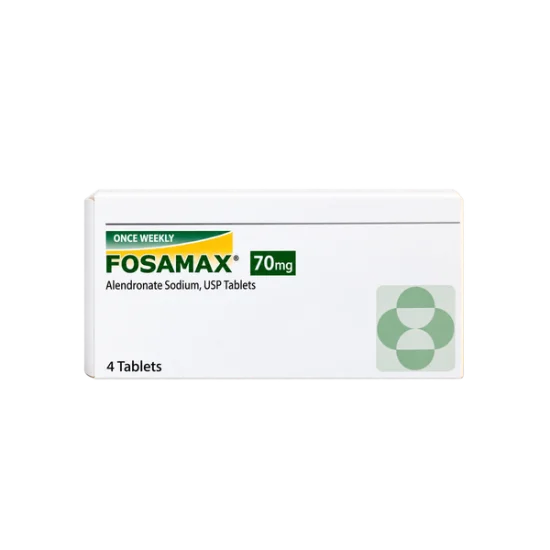
Your order will be securely packed and shipped within 24 hours. This is exactly what your package will look like (images of an actual item sent). It has the size and look of a regular private letter (24x11x0.7 cm) and its contents cannot be seen.
Sources
- U.S. Food and Drug Administration (2024). FOSAMAX (alendronate sodium) Tablets — Prescribing Information.
- Medsafe (2023). Fosamax — Consumer Medicine Information and Data Sheet.
- American Association of Clinical Endocrinology (2020). Clinical Practice Guideline for the Diagnosis and Treatment of Postmenopausal Osteoporosis.
- World Health Organization (2021). Step Safely: Strategies for Preventing and Managing Falls Across the Life-Course.
- National Osteoporosis Foundation (2022). Clinician’s Guide to Prevention and Treatment of Osteoporosis.
Reviews: Fosamax
Blenheim, had difficulty remembering which morning was her weekly dose. She kept calcium tablets beside breakfast and initially took the 70 mg tablet weekly together with Fosamax for several weeks, then changed the routine after receiving administration advice. She reported no further stomach discomfort, though the schedule required deliberate planning.
Upper Hutt, stopped taking the 70 mg tablets weekly when his back pain did not improve after a few weeks. His doctor explained that Fosamax is intended to alter bone turnover and fracture risk, not provide rapid pain relief. He restarted only after a treatment review and assessment of the original pain.