I used Pilex while making a real effort to increase fibre and stop rushing bowel movements. The itching settled after a while, and I had fewer uncomfortable days. I still noticed symptoms when I travelled and drank less water.
Pilex tablets are taken by mouth and are intended for adults seeking herbal support alongside conservative care for haemorrhoid symptoms. They are used for discomfort linked with piles, while regular bowel habits and gentle local care remain central to symptom control.
Overview
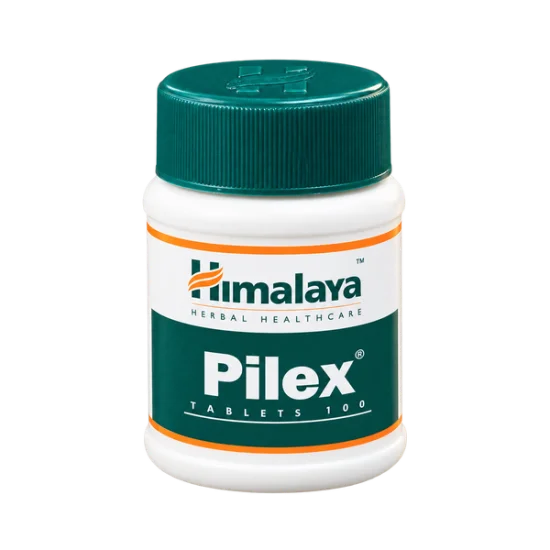
Pilex is supplied as oral tablets in a bottle. It is used in the context of haemorrhoids, also called piles: swollen vascular cushions in or around the anal canal that may cause itching, discomfort, bright-red bleeding with bowel movements, or a feeling of incomplete emptying.
Haemorrhoid symptoms often improve when straining is reduced and stools remain soft. Fibre-rich meals, adequate fluids, regular movement, and avoiding prolonged sitting on the toilet can reduce pressure in the anal area. Guidelines from the 2024 American Society of Colon and Rectal Surgeons and NICE place these measures at the centre of conservative haemorrhoid care. [1]
Target symptoms
Pilex may be considered by adults with mild haemorrhoid-related discomfort, including:
- itching or irritation around the anus
- soreness during or after bowel movements
- mild swelling or a sensation of pressure
- occasional small amounts of bright-red blood on toilet paper
- discomfort associated with constipation and straining
Pain that is severe, persistent, or associated with fever needs prompt medical assessment. A painful lump can be a thrombosed external haemorrhoid, while severe pain during bowel movements may also occur with an anal fissure.
Formulation
Pilex on this page is an oral tablet product supplied in a bottle. Tablets provide systemic herbal support rather than local application to the anal area.
The tablet format may suit people who prefer an oral approach as part of a routine that also addresses constipation, hard stools, and prolonged straining. The tablet is taken by mouth. Relief may be gradual. Bowel-habit changes remain necessary. It does not provide the immediate local cooling sensation that a topical product can offer, and it should not be expected to rapidly relieve severe acute pain.
Oral and topical approaches
| Approach | Main role | Limitation |
|---|---|---|
| Oral tablets | Supports a broader daily routine for mild haemorrhoid discomfort | Relief may be gradual and depends on bowel-habit changes |
| Local topical care | Can soothe external irritation in the short term | Does not address constipation or internal prolapse |
Clinicians often separate two issues: local symptoms and the factors that keep causing them. An oral product may be part of the first approach, but a fibre-poor diet, low fluid intake, opioid-related constipation, or repeated straining can continue to drive symptoms.
Therapeutic indications
For haemorrhoid symptoms, the practical aim of supportive herbal care is usually comfort rather than a cure for advanced disease. Reduced irritation and improved day-to-day comfort are realistic targets. Persistent bleeding, anaemia symptoms, weight loss, altered bowel habit, or worsening pain are not symptoms to manage with herbal treatment alone.
Dosage and administration
Take Pilex tablets orally with water, using the individual amount advised for you. Dosing differs between strengths and between users, so there is no single amount that suits everyone.
Avoid taking extra tablets to compensate for a missed dose. Resume the usual routine at the next planned time unless a clinician has given different instructions. Taking more than intended is unlikely to speed relief and may increase the chance of stomach upset or other intolerance.
A practical bowel routine can support treatment:
- respond to the urge to pass stool rather than delaying it
- avoid sitting and straining for long periods
- increase dietary fibre gradually to reduce gas and bloating
- drink enough fluid for your health needs
- use a footstool if it helps you achieve a more comfortable position
Reasons not to use it
Use should be discussed with a doctor before starting if you:
- are pregnant, trying to conceive, or breastfeeding
- take anticoagulants, antiplatelet medicines, or medicines that affect bleeding
- have liver disease, kidney disease, inflammatory bowel disease, or a bleeding disorder
- have rectal bleeding without a confirmed cause
- use several supplements or herbal products at the same time
- are preparing for surgery or an invasive procedure
Older adults who take several medicines should be careful with any new herbal product. A medication review can identify possible interactions and reduce the risk of duplicating products with similar effects.
When this is not for you
Pilex is not for you if you have previously had an allergic reaction to one of its constituents or if a clinician has advised you to avoid herbal preparations.
Possible side effects
Herbal tablets are often tolerated without major problems, though individual reactions can occur. Possible effects include nausea, abdominal discomfort, loose stools, constipation changes, headache, or an allergic reaction such as rash, itching, facial swelling, or breathing difficulty.
Stop using Pilex and seek urgent medical care for facial swelling, wheezing, fainting, heavy rectal bleeding, black stools, severe abdominal pain, fever, or rapidly worsening anal pain. Black stools can indicate bleeding higher in the digestive tract and should not be attributed to haemorrhoids.
A persistent change in bowel habit deserves medical review. This includes new constipation, diarrhoea, narrow stools, fatigue, unexplained weight loss, or bleeding that continues despite conservative measures.

How it affects the body
Pilex tablets are an oral herbal support for adults with haemorrhoid symptoms. They are intended to support comfort alongside soft stools, adequate fluids, fibre-rich meals, regular movement, and reduced straining. Persistent bleeding, worsening pain, altered bowel habit, weight loss, or symptoms of anaemia require medical assessment rather than herbal treatment alone.
Common mistakes
Several habits can make haemorrhoid symptoms persist despite using supportive treatment.
- Treating all bleeding as piles: Rectal bleeding requires assessment when it is recurrent, heavy, unexplained, or accompanied by bowel changes.
- Using a product while continuing to strain: Hard stools and prolonged toilet sitting can undo progress.
- Expecting immediate results: Symptom improvement may depend more on bowel regularity than on any single product.
- Doubling tablets after a missed dose: This increases exposure without providing a clear benefit.
- Ignoring prolapse: A lump that needs to be pushed back, remains outside, or becomes very painful needs medical review.
- Adding multiple herbal products together: This can increase stomach effects and make interactions harder to identify.
One detail patients often miss is that wiping repeatedly with dry paper can worsen itching. Rinsing gently with lukewarm water and patting dry may be more comfortable during a flare.
Comparison
Oral and topical approaches
| Approach | Main role | Limitation |
|---|---|---|
| Oral tablets | Supports a broader daily routine for mild haemorrhoid discomfort | Relief may be gradual and depends on bowel-habit changes |
| Local topical care | Can soothe external irritation in the short term | Does not address constipation or internal prolapse |
What doctors say
In clinical practice, doctors usually focus first on symptom pattern and bowel habits. Bright-red blood with a hard stool and straining may fit haemorrhoids, yet recurrent bleeding still needs proper assessment because the same symptom can have other causes.
Doctors also tend to set realistic expectations. A herbal tablet may be a supportive part of conservative care for mild symptoms, but it does not shrink advanced prolapsing haemorrhoids immediately. If symptoms are unchanged after a reasonable trial alongside fibre and fluid changes, reassessment is more useful than simply increasing the dose.
The most useful clinical detail is often the one people hesitate to mention: whether tissue protrudes, whether it returns on its own, and whether pain occurs during or after passing stool. Those details help distinguish internal piles, external piles, fissures, and other anorectal conditions.
Common questions
What should I do after a missed Pilex dose?
Do not take extra tablets to make up for a missed dose. Continue with the next planned dose in your normal routine, unless a clinician has provided individual instructions. The WHO’s 2019 report on traditional and complementary medicine supports informed use of herbal products rather than unplanned dose escalation. Missing one dose is less concerning than taking too much at once.
Can older adults use Pilex?
Older adults may use herbal products, yet a medication review is sensible when several regular medicines are involved. This matters most for people taking blood-thinning medicines, diabetes treatments, blood-pressure medicines, or products that affect bowel function. Medsafe advises people to consider potential interactions and adverse reactions from complementary medicines, and the WHO's 2019 report supports careful use when other treatments are involved. Older adults with new rectal bleeding should seek assessment rather than assuming haemorrhoids are the cause.
What should I discuss with a doctor before starting Pilex?
Discuss rectal bleeding, prolapse, pain severity, bowel-habit changes, pregnancy plans, allergies, and all medicines or supplements you use. Mention if you have inflammatory bowel disease, liver or kidney disease, a bleeding disorder, or planned surgery. The American Society of Colon and Rectal Surgeons guidance published in 2024 stresses that treatment selection depends on symptom severity and haemorrhoid grade. This conversation helps identify whether conservative care is suitable or whether an examination is needed first.
Is Pilex suitable during pregnancy or breastfeeding?
Pregnancy and breastfeeding require individual medical advice before using herbal tablets. Haemorrhoids are common during pregnancy because hormonal changes and pressure on pelvic veins can contribute to constipation and swelling, yet product safety cannot be assumed simply because a formulation is herbal. The European Medicines Agency's 2018 herbal-medicine framework recognises that pregnancy and lactation often need separate safety consideration. Non-drug measures such as fluids, fibre, gentle activity, and avoiding straining are usually the first focus.
What should I do if the expected result does not occur?
Review the factors that keep symptoms active: constipation, low fibre intake, inadequate fluids, repeated straining, diarrhoea, or prolonged toilet sitting. If bleeding, pain, itching, or prolapse persists, arrange a clinical assessment instead of increasing the amount taken. The 2024 American Society of Colon and Rectal Surgeons guidance supports escalation to medical or procedural treatment when conservative measures do not control symptoms. Seek urgent help for heavy bleeding, black stools, fever, dizziness, or severe worsening pain.
How does Pilex differ from a topical haemorrhoid treatment?
Pilex is an oral tablet product, while topical treatments are applied locally to the anal area. A topical option may provide short-term surface soothing for external irritation, whereas an oral routine is intended as broader support alongside bowel-habit changes. Neither approach corrects a significant prolapse or investigates unexplained bleeding. The WHO described in 2019 that traditional medicine use should be integrated with appropriate diagnosis and referral when symptoms require it.
Do you offer anonymous delivery?
Your order will be securely packed and shipped within 24 hours. This is exactly what your package will look like (images of an actual item sent). It has the size and look of a regular private letter (24x11x0.7 cm) and its contents cannot be seen.
Sources
- American Society of Colon and Rectal Surgeons (2024). Management of Hemorrhoids: Clinical Practice Guidelines.
Reviews: Pilex
My main problem had been bleeding after hard stools. I took the tablets consistently for several months, but the biggest change came from dealing with constipation. The bleeding did not disappear straight away, so I arranged a check-up rather than assuming it was harmless.
I found the tablets easy to include in my routine, though they did not help much with the pressure from a lump that was coming out during bowel movements. My doctor explained that this was more than a mild flare and needed a different treatment plan.