Skip to content
Tenormin
Active ingredient: Atenolol

Tenormin

Quality products
24/7 Support
Fast delivery
Delivery from 4 days
Select pack Package Per unit Price

Free delivery on orders from $ 376.00, free express delivery from $ 564.00

Secure Payments
Track your order
Best price guarantee

High blood pressure, angina, and some rhythm disorders place extra demand on the heart and blood vessels. Tenormin contains atenolol, a cardioselective beta1-blocker used to slow the heart rate, reduce cardiac workload, and help lower blood pressure.

Overview

Tenormin is a tablet treatment containing atenolol. The amount used varies between tablet strengths and between users, so no single amount suits everyone. Atenolol belongs to the beta-blocker class, with greater activity at beta1 receptors in cardiac tissue than at beta2 receptors in the airways and blood vessels.

Formulation

Active ingredient and tablet form

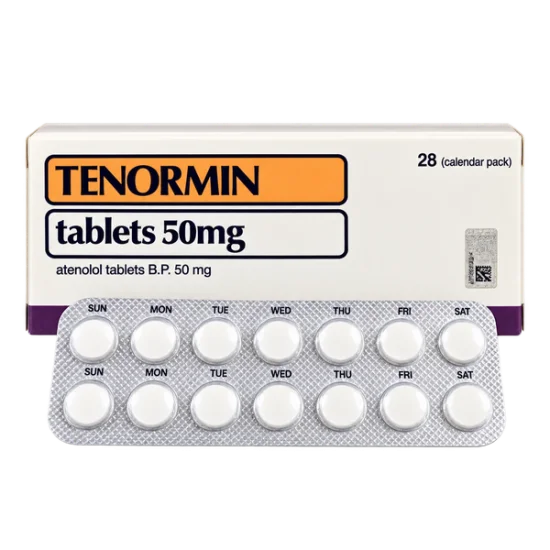
Each Tenormin tablet contains atenolol. The tablets are taken by mouth and supplied in a 28-tablet calendar blister pack.

Cardioselective does not mean the effect is limited only to the heart. At higher atenolol exposures, beta2 receptor blockade becomes more likely. That detail matters for people with asthma, chronic obstructive pulmonary disease, or a history of wheeze.

Take Tenormin at a consistent time each day. A regular routine makes missed doses less likely and helps clinicians judge the treatment response from home blood-pressure and pulse records.

Therapeutic indications

Beta1 receptors respond to stress hormones such as adrenaline and noradrenaline. By blocking this response, Tenormin reduces the force and speed of the heartbeat. This can lower blood pressure, reduce the heart’s oxygen requirement during angina, and help control certain fast heart rhythms. Medsafe lists atenolol as a treatment used in hypertension, angina pectoris, and cardiac arrhythmias. [1]

Dosage and administration

Prescribed use and dosing routine

Dosing differs between strengths and between users, so there is no single amount that suits everyone. Tenormin is taken exactly at the prescribed dose, usually as part of a regular daily routine.

  • Swallow the prescribed tablet dose whole with water.
  • Take it at the same time each day.
  • Do not crush or chew tablets unless a prescriber has specifically advised this.
  • If a dose is missed, take it when remembered unless the next scheduled dose is close; do not take two doses together.
  • Do not stop Tenormin suddenly after regular use.

Abrupt withdrawal can cause a rebound rise in heart rate, blood pressure, or angina symptoms. This is most relevant in people with coronary artery disease, where the heart may have adapted to beta-blockade over time.

A pulse that feels slower than usual is not automatically dangerous, but fainting, marked dizziness, breathlessness, chest pain, or a persistently very slow pulse needs prompt clinical assessment.

Reasons not to use it

Tenormin is not for you if you have cardiogenic shock, marked bradycardia, sick sinus syndrome, second- or third-degree heart block without a functioning pacemaker, untreated phaeochromocytoma, or severe peripheral circulatory problems.

It is also unsuitable in overt or uncontrolled heart failure until the condition has been stabilised. A beta-blocker can reduce cardiac output, which may worsen acute decompensation.

Extra caution is required with:

  • asthma, recurrent wheeze, or chronic obstructive pulmonary disease;
  • diabetes treated with insulin or medicines that can cause hypoglycaemia;
  • kidney impairment, because atenolol is substantially eliminated through the kidneys;
  • peripheral arterial disease or Raynaud-type circulation problems;
  • psoriasis, since beta-blockers may aggravate symptoms in some people;
  • pregnancy or breastfeeding, where treatment choice requires individual assessment.

When this is not for you

Atenolol can reduce awareness of hypoglycaemia symptoms. It can also worsen bronchospasm in susceptible people, despite its beta1 selectivity. Breathing symptoms after starting treatment deserve medical review rather than self-adjustment of the dose.

Possible side effects

Most adverse effects reflect atenolol’s intended action on the cardiovascular system. Fatigue, dizziness, cold hands or feet, slower pulse, sleep disturbance, and reduced exercise tolerance can occur, especially early in treatment or after a dose increase.

Some people notice that climbing hills feels harder for the first few weeks. The medicine limits how sharply the heart rate rises during exertion, so fitness trackers may show a lower peak pulse than expected. This is a medication effect, not a reason to push harder during exercise.

Potential effects include:

  • tiredness or low energy;
  • dizziness when standing up quickly;
  • cold fingers and toes;
  • nausea, diarrhoea, or abdominal discomfort;
  • sleep changes or vivid dreams;
  • low mood in some people;
  • sexual dysfunction;
  • slow heart rate or low blood pressure.

Serious reactions need urgent assessment. These include fainting, new wheezing or chest tightness, severe shortness of breath, facial swelling, a very slow or irregular heartbeat, or worsening chest pain.

Stand up in stages during the first days of treatment or after a dose change. Sitting on the edge of the bed for a moment can reduce the chance of dizziness from a temporary blood-pressure drop.

How it affects the body

Atenolol competitively blocks beta1-adrenergic receptors in the heart. This reduces the effect of adrenaline on the sinoatrial node, the heart’s natural pacemaker, so the pulse slows. It also reduces myocardial contractility, meaning the heart pumps with less force.

For hypertension, reduced cardiac output contributes to lower blood pressure. For angina, a slower and less forceful heartbeat uses less oxygen. For some arrhythmias, slowing conduction through the atrioventricular node can reduce an excessively rapid ventricular rate.

Common mistakes

Several avoidable patterns interfere with atenolol treatment.

  • Stopping after a few good readings: blood pressure may rise again without symptoms, while sudden cessation can trigger rebound cardiovascular effects.
  • Doubling a missed dose: two doses close together can produce excessive pulse slowing, dizziness, or low blood pressure.
  • Using pulse alone to judge treatment: a lower pulse can be expected; symptoms and repeated blood-pressure readings give a fuller picture.
  • Starting decongestants without checking the ingredients: oral products containing pseudoephedrine or phenylephrine may increase blood pressure or counter cardiovascular treatment.
  • Ignoring diarrhoea or dehydration: fluid loss can make low blood pressure and dizziness more likely.
  • Assuming exercise targets stay unchanged: beta-blockers blunt exercise heart-rate response, so training zones based only on pulse may be misleading.
Keep a short record of blood pressure, pulse, dizziness, chest symptoms, and missed doses. A dated record is more useful at a review than trying to recall several weeks from memory.

Comparison

Tenormin is one option within a broad beta-blocker group. The best choice depends on the treatment goal, resting pulse, kidney function, coexisting lung disease, heart failure status, and other medicines.

Active ingredient Main pharmacological feature Common clinical use
Atenolol Cardioselective beta1-blocker; mainly cleared by the kidneys Hypertension, angina, selected arrhythmias
Metoprolol Cardioselective beta1-blocker; mainly processed by the liver Hypertension, angina, rate control, some heart-failure regimens
Bisoprolol Highly beta1-selective beta-blocker Hypertension, angina, chronic heart failure when indicated

Atenolol may suit people who need beta1 blockade and have a clinician-selected dose that fits their renal function. Metoprolol and bisoprolol are also beta1-focused options, though their approved uses, dose schedules, and elimination pathways differ.

For chronic heart failure, only certain beta-blockers and dose-titration plans have established evidence for improving outcomes. Tenormin should not be substituted for a heart-failure beta-blocker regimen without a prescriber’s direction. European cardiovascular guidance distinguishes treatment selection for hypertension, angina, arrhythmias, and heart failure rather than treating all beta-blockers as interchangeable. [2]

What doctors say

In clinical practice, doctors look beyond the blood-pressure number. They review resting pulse, symptoms during activity, kidney function, other heart medicines, and whether the person has asthma or diabetes.

Atenolol can be useful when high blood pressure occurs with angina or a fast pulse. Its limitation is predictable: too much beta-blockade can leave a person fatigued, dizzy, or bradycardic. The goal is controlled blood pressure and symptom relief without making everyday movement difficult.

Doctors also consider that beta-blockers can mask warning signs of hypoglycaemia, such as tremor and palpitations. Sweating may still occur. People using insulin or glucose-lowering medicines benefit from a clear plan for glucose monitoring and recognition of low blood sugar.

Common questions

What should I do if the expected result does not come?

Blood pressure and angina response should be judged from repeated readings and symptoms, not from one day of treatment. Take Tenormin consistently and record pulse, blood pressure, chest discomfort, dizziness, and exercise tolerance for a prescriber to review. Persistent high readings, ongoing angina, or recurrent rapid palpitations may mean the treatment plan needs adjustment rather than a self-directed dose increase. Medsafe's 2018 guidance for atenolol supports clinical review when therapeutic response is inadequate or adverse effects limit treatment. [3] A clinician can compare the record with the treatment goal.

What should I discuss with a doctor before starting Tenormin?

Discuss asthma or wheezing, diabetes, kidney disease, circulation problems in the fingers or legs, prior fainting, and any history of heart block or heart failure. Provide a complete list of medicines, including diltiazem, verapamil, amiodarone, digoxin, clonidine, decongestants, and anti-inflammatory pain medicines. Mention pregnancy plans or breastfeeding, as beta-blocker selection may need to change in these circumstances. The 2021 WHO hypertension guideline emphasises matching antihypertensive treatment to individual cardiovascular risk and coexisting conditions.

How soon does the effect of Tenormin become noticeable?

Atenolol begins to slow the heart rate after absorption, so some people notice a lower pulse within hours of an early dose. Blood-pressure response is assessed across several days or weeks because readings vary with stress, activity, caffeine, sleep, and measurement technique. Angina control may also develop as the reduction in heart workload becomes consistent. A 2018 Medsafe atenolol data sheet describes its cardiovascular effects and supports regular monitoring during dose adjustment.

How long does one dose of Tenormin keep working?

Atenolol has a duration of action that supports regular daily administration for many prescribed regimens. The exact effect varies with dose, kidney function, age, resting pulse, and the condition being treated. Do not use symptom recurrence near the end of a day as a reason to take an additional tablet. The FDA's 2011 prescribing information for atenolol describes dose-dependent beta-blocking effects and highlights the need for clinician-directed dosing. [4]

Can Tenormin be used under 18?

Tenormin is generally prescribed for adult cardiovascular indications. Children and adolescents may require specialist assessment because the reason for treatment, weight, heart rhythm diagnosis, and monitoring needs differ from adult care. A young person with palpitations, high blood pressure, or chest symptoms needs a clinical evaluation rather than adult self-treatment. The EMA's 2006 Paediatric Regulation established principles for age-appropriate evidence and formulations when medicines are used in children.

How long does a Tenormin course last, and is long-term use acceptable?

Treatment duration depends on the reason for prescribing it. Atenolol may be used long term for blood-pressure control, angina prevention, or rhythm management when benefits remain favourable and pulse, blood pressure, kidney function, and symptoms are monitored. Long-term use does not mean treatment should be stopped abruptly; a prescriber may reduce the dose gradually if therapy needs to end. Medsafe's 2018 guidance advises caution with withdrawal in people with coronary artery disease because angina and cardiac events can worsen after sudden cessation.

What is the best time of day to take Tenormin?

The best time is the time that allows reliable daily use and fits the prescriber’s instructions. Morning dosing is common, though some people may be advised to use another schedule depending on dizziness, fatigue, blood-pressure pattern, or other medicines. If Tenormin makes you light-headed, avoid driving or operating machinery until you know how it affects you. WHO hypertension guidance supports adherence-focused routines because missed doses can undermine blood-pressure control.

Do you offer anonymous delivery?

Your order will be securely packed and shipped within 24 hours. This is exactly what your package will look like (images of an actual item sent). It has the size and look of a regular private letter (24x11x0.7 cm) and its contents cannot be seen.

Sources

  1. Medsafe (2018). Tenormin Tablets Data Sheet.
  2. European Medicines Agency (2018). Guideline on Clinical Investigation of Medicinal Products in the Treatment of Hypertension.
  3. Medsafe (2018). Consumer Medicine Information: Tenormin.
  4. U.S. Food and Drug Administration (2011). Tenormin (atenolol) Prescribing Information.

Reviews: Tenormin

3.5
Based on 4 reviews
Daniel, 66 Tauranga Six months
Verified
Rating: 4 out of 5

My blood-pressure readings settled gradually rather than overnight. I felt more tired on morning walks for the first couple of weeks, then that mostly eased. Taking it with breakfast helped me remember it.

7 Oct 2026
Neil, 26 Rotorua Eight weeks
Verified
Rating: 3.5 out of 5

It was prescribed after repeated fast-pulse episodes. The racing feeling became less frequent, but I noticed cold hands in the evenings. I started recording my pulse instead of guessing, which made the follow-up appointment easier.

18 Oct 2026
John, 26 New Plymouth Five weeks
Verified
Rating: 3.5 out of 5

I missed two doses during shift changes and felt unsettled because I could not tell whether the medicine was working. Setting a phone reminder fixed that. I still found gym sessions felt different because my heart rate did not climb as quickly.

25 Oct 2026
Ian, 62 Palmerston North Four months
Verified
Rating: 3 out of 5

The tablets helped with my angina pattern, but dizziness when getting out of bed was annoying at first. My dose timing was adjusted after a review. I learned not to take an extra tablet after forgetting one.

3 Nov 2026
Get our free app Shop faster and track your orders Install