New Plymouth, took Aricept at the prescribed dose for several months: “The first weeks brought loose stools and less appetite. Those symptoms settled after the treatment review, and my wife noticed that I followed morning routines with fewer reminders.”
Aricept is used to manage symptoms of Alzheimer’s disease in adults. It contains donepezil, a cholinesterase inhibitor that supports acetylcholine signalling in the brain. Treatment may help maintain memory, attention and daily function for some patients.
Overview
Aricept contains donepezil and belongs to the cholinesterase inhibitor class. Donepezil is prescribed for symptomatic treatment of mild, moderate and severe Alzheimer’s disease when a clinician considers treatment appropriate. It may support cognitive function and everyday activities, although it does not remove the underlying neurodegenerative process or cure dementia [1].
Dementia is a clinical syndrome involving problems with memory, thinking, communication or daily function. Alzheimer’s disease is the most common cause of dementia, but dementia can also result from other neurological or medical conditions. Aricept is therefore used for the Alzheimer’s disease indication rather than for every form of dementia.
Formulation
Aricept composition and drug class
The active ingredient is donepezil. Its pharmacological class is acetylcholinesterase inhibitors, also called cholinesterase inhibitors.
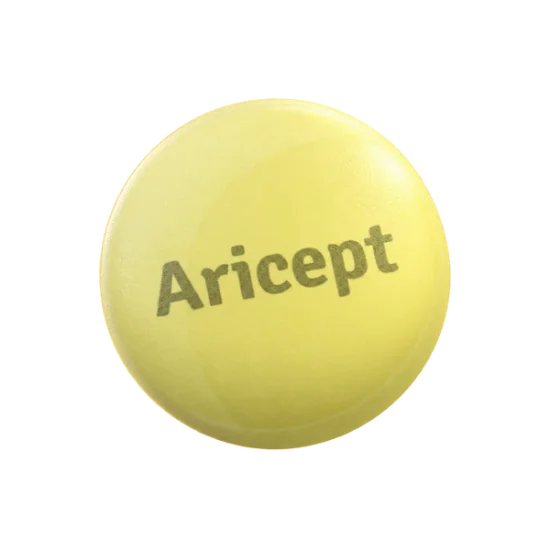
Aricept is supplied as tablets. The appropriate strength and treatment schedule vary between patients, and dose increases require prescriber direction. A higher dose is not automatically better if nausea, sleep disturbance, dizziness or a slow pulse develops.
Therapeutic indications
Aricept is used to manage symptoms of Alzheimer’s disease in adults.
Donepezil is prescribed for symptomatic treatment of mild, moderate and severe Alzheimer’s disease when a clinician considers treatment appropriate. It may support cognitive function and everyday activities, although it does not remove the underlying neurodegenerative process or cure dementia [1].
Aricept is therefore used for the Alzheimer’s disease indication rather than for every form of dementia.
Dosage and administration
Aricept tablets are taken by mouth once daily, at the time selected by the prescriber. Taking the tablet at a consistent time helps caregivers identify missed doses and makes changes in sleep, appetite or stomach symptoms easier to track.
- Take the prescribed dose at the same time each day.
- Swallow the tablet as directed rather than changing the dose independently.
- Do not increase the dose because memory symptoms appear worse on one day.
- Do not take an extra tablet after vomiting unless a prescriber gives specific instructions.
- If one dose is missed, take the next scheduled dose rather than doubling up.
- Contact the prescriber after repeated missed doses, prolonged treatment interruption or troublesome vomiting.
- Report fainting, a very slow pulse, black stools or severe dehydration promptly.
Typical treatment course
Treatment commonly begins at a lower prescribed strength, with a later review before any increase. The timing of that review depends on tolerability, response, other medicines and the severity of Alzheimer’s disease.
Higher doses can increase the chance of gastrointestinal symptoms, muscle cramps, vivid dreams or sleep disturbance. A gradual approach allows the clinician to judge whether the expected benefit justifies the additional adverse-effect risk.
Aricept may be taken in the morning or evening. If vivid dreams or insomnia appear after an evening dose, the prescriber may consider a different dosing time.
Reasons not to use it
Aricept may be unsuitable for a person with a previous serious reaction to donepezil or one of its ingredients. A prescriber must also assess conditions that could make cholinesterase inhibition hazardous.
- a history of unexplained fainting or significant bradycardia;
- known heart block or another conduction disorder;
- active or previous peptic ulcer disease or gastrointestinal bleeding;
- uncontrolled asthma or significant chronic lung disease;
- seizure disorder;
- urinary outflow obstruction;
- severe liver impairment;
- difficulty swallowing tablets safely;
- a previous serious reaction to donepezil.
Donepezil can interact with medicines that slow the heart rate, medicines affecting cardiac conduction and medicines with anticholinergic effects. Anticholinergic medicines can oppose the intended cholinergic action and may worsen confusion, dry mouth, constipation or urinary symptoms.
When this is not for you
Aricept is not suitable for you without specialist assessment if you have:
- a history of unexplained fainting or significant bradycardia;
- known heart block or another conduction disorder;
- active or previous peptic ulcer disease or gastrointestinal bleeding;
- uncontrolled asthma or significant chronic lung disease;
- seizure disorder;
- urinary outflow obstruction;
- severe liver impairment;
- difficulty swallowing tablets safely;
- a previous serious reaction to donepezil.
Tell the prescriber about medicines for heart rhythm, beta blockers, certain calcium-channel blockers, anticholinergic treatments, anti-inflammatory pain medicines and any supplement used regularly. A complete medication review is needed before adding or stopping treatment.
Possible side effects
Donepezil can cause gastrointestinal effects, sleep changes, dizziness and muscle cramps. The likelihood and severity vary with the individual, the treatment strength, dose increases and other medicines.
Common gastrointestinal effects
Nausea, vomiting and diarrhoea are recognised adverse effects. Appetite loss may also occur, which can be significant for an older adult who is already at risk of weight loss or dehydration.
Taking extra tablets after vomiting is a common mistake. It may expose the person to an excessive amount and can worsen dizziness, slow heartbeat or further vomiting.
For persistent vomiting or diarrhoea, fluid loss should be taken seriously. Older adults can become dehydrated quickly, and dehydration may increase weakness, confusion and fall risk.
Serious reactions and medical review
Prompt medical assessment is needed for fainting, collapse, a markedly slow or irregular heartbeat, severe dizziness or repeated falls. These symptoms can be more concerning in people with conduction problems, heart disease or medicines that slow the heart rate. Seek urgent medical care for vomiting blood, black tarry stools, severe abdominal pain, facial swelling, breathing difficulty or a widespread blistering rash. These symptoms may indicate gastrointestinal bleeding or a serious allergic or skin reaction. Do not independently stop long-term treatment because of a mild symptom. Emergency symptoms require urgent care, while less severe problems should be discussed with the prescriber so the treatment plan can be adjusted safely.

How it affects the body
Mechanism of action of Aricept
Donepezil inhibits acetylcholinesterase, an enzyme that breaks down acetylcholine. Acetylcholine is a chemical messenger involved in communication between nerve cells, including pathways associated with memory, attention and learning.
By slowing acetylcholine breakdown, donepezil increases the availability of this messenger in relevant brain regions. This may help symptoms for some people with Alzheimer’s disease, though individual response varies and the medicine does not restore damaged nerve cells [2].
Acetylcholine signalling in the brain
Nerve cells release acetylcholine into small gaps between cells. The messenger carries a signal across the gap before acetylcholinesterase breaks it down.
Donepezil acts like a brake on that breakdown step. More acetylcholine remains available for signalling, but increased acetylcholine does not automatically restore memory or stop Alzheimer’s disease from progressing.
Acetylcholinesterase inhibition
Donepezil is different from medicines that directly target pain, blood pressure or blood glucose. Its effect is centred on an enzyme involved in neurotransmitter breakdown.
Common mistakes
Several practical errors can reduce benefit or increase harm:
- doubling the next dose after a missed tablet;
- restarting the previous dose after a long interruption without professional advice;
- assuming that a single bad memory day proves the treatment has failed;
- stopping suddenly because of mild nausea without discussing alternatives;
- overlooking appetite loss and gradual weight reduction;
- failing to mention fainting, falls or a slow pulse before treatment;
- judging benefit only from memory instead of daily function;
- taking an extra tablet after vomiting;
- changing the administration time repeatedly, making adherence difficult;
- assuming that a patch formulation of another medicine eliminates all adverse effects.
Comparison
Donepezil, rivastigmine and galantamine are cholinesterase inhibitors used in Alzheimer’s disease treatment. They share a broad mechanism but differ in pharmacology, formulations, dosing schedules and tolerability.
| Medicine | Practical distinction |
|---|---|
| Donepezil | Often used with once-daily oral administration; nausea, diarrhoea, sleep disturbance and slow pulse require monitoring |
| Rivastigmine | Available in oral forms and, for suitable patients, a transdermal patch; gastrointestinal and application-related effects remain possible |
| Galantamine | Oral cholinesterase inhibitor with dose adjustment based on response, kidney or liver function and tolerability |
Donepezil may suit a person who can manage a daily tablet and tolerates its gastrointestinal or sleep-related effects. Rivastigmine may be considered when swallowing tablets is difficult, although a patch does not remove the risk of adverse effects. Galantamine may be selected when its clinical profile and dosing requirements fit the patient’s medical history.
The choice depends on response, adherence, swallowing ability, appetite, pulse, kidney and liver function, caregiver support and previous adverse effects. Switching between these medicines requires a planned prescriber-led schedule.
What doctors say
In clinical practice, a clinician assesses more than memory-test results. Cognitive symptoms, daily function, nutrition, hydration, sleep, pulse, falls and caregiver observations all influence decisions about continuing or adjusting donepezil.
A caregiver may notice that a person follows a familiar routine more reliably even when they still forget recent conversations. That functional change can be useful evidence during a treatment review.
Dose increases deserve close observation during the following days and weeks. Gastrointestinal symptoms can become more troublesome after escalation, while dizziness or a slow pulse may increase the risk of falls.
The most useful expectation is measured support rather than a dramatic cure. Aricept may help preserve abilities for a period, but it cannot reverse the structural changes associated with Alzheimer’s disease.
Comparison
Compare all medicines for NeurologyCommon questions
Can Aricept affect driving, concentration or work with machinery?
Aricept may cause dizziness, fainting, fatigue, sleep disturbance or slowed reactions in some patients, which can affect driving and machinery work. Medsafe information available in 2024 emphasises assessing individual response before undertaking activities where sudden impairment could cause harm. The person should avoid driving or machinery if these symptoms occur, and a prescriber should review persistent problems.
Can alcohol be used while taking Aricept?
Alcohol may worsen dizziness, drowsiness, poor balance and confusion, especially in a person already affected by Alzheimer’s disease. The WHO’s alcohol and health information published in 2024 supports limiting alcohol where it increases fall, cognitive or medication-related risks. Alcohol use should be discussed with the prescriber when there is a history of falls, liver disease, vomiting or difficulty managing daily medicines.
How long does one Aricept dose keep working?
Donepezil has a prolonged presence in the body, so treatment is designed around regular daily administration rather than repeated dosing throughout the day. The EMA product information reviewed in 2023 describes a pharmacological profile that supports once-daily use, while symptom benefit is assessed over weeks and months. A single missed tablet usually does not require an extra dose, but repeated interruption needs professional guidance.
What should happen after a missed Aricept dose?
Take the next scheduled dose at the usual time and do not double the amount to compensate for one missed tablet. The Medsafe public information for donepezil from 2024 supports avoiding extra dosing after a missed tablet. Contact the prescriber or pharmacist after several missed doses, prolonged interruption or vomiting that makes it unclear whether the tablet was absorbed.
What should be discussed with a doctor before starting Aricept?
Discuss fainting, a slow pulse, heart rhythm disorders, stomach ulcers, gastrointestinal bleeding, asthma, seizures, urinary obstruction and liver disease before treatment. NICE guidance for dementia care, updated in 2022, also supports considering cognition, daily function, caregiver observations and treatment tolerability during review. Provide a complete list of prescribed medicines, over-the-counter treatments and supplements so interaction risks can be assessed.
Can Aricept be combined with anticholinergic medicines or supplements?
Anticholinergic medicines may oppose donepezil’s cholinergic action and can worsen confusion, constipation, dry mouth or urinary difficulty. The Cochrane review of donepezil for Alzheimer’s disease published in 2018 supports evaluating adverse effects and concurrent treatment when judging benefit. Do not start an anticholinergic medicine or regular supplement without checking its ingredients and interaction potential with the prescriber or pharmacist.
Is Aricept suitable for older adults?
Older adults are the main population receiving treatment for Alzheimer’s disease, but age increases vulnerability to dehydration, falls, weight loss, fainting and heart-rate effects. Medsafe’s donepezil information from 2024 supports individual assessment of medical history, concurrent medicines and tolerability rather than relying on age alone. Caregiver monitoring is useful because changes in appetite, fluid intake, balance and daily function may appear before the patient reports a problem.
Do you offer anonymous delivery?
Your order will be securely packed and shipped within 24 hours. This is exactly what your package will look like (images of an actual item sent). It has the size and look of a regular private letter (24x11x0.7 cm) and its contents cannot be seen.
Sources
- Medsafe (2024). Public medicine information for donepezil.
- U.S. Food and Drug Administration (2022). Aricept (donepezil hydrochloride) prescribing information.
Reviews: Aricept
Napier, used the prescribed dose during an early treatment period: “I expected my memory to return quickly, which was unrealistic. I still repeated questions, but I seemed more engaged in conversations. Sleep became worse when I took it late at night.”
Invercargill, took the prescribed dose for several weeks and reported a mixed experience: “The medicine caused nausea after the dose was increased, and I lost weight over the next few weeks. My family thought I was more alert, but the stomach problem meant the prescriber had to reconsider the schedule.”
Greymouth, took Aricept at the prescribed dose with caregiver support: “The biggest difference was practical. I managed familiar tasks more consistently, although I still needed help with appointments and finances. Keeping a written dose record prevented missed tablets.”
Oamaru, took the prescribed dose during an early treatment period and described an early difficulty: “I forgot a dose and took two tablets the following evening. I felt dizzy and unwell, then learned to return to the scheduled dose instead of compensating. The experience made the medication record much more important.”