Skip to content
Arjuna
Active ingredient: Terminalia arjuna

Arjuna

Quality products
24/7 Support
Fast delivery
Delivery from 4 days
Select pack Package Per unit Price

Free delivery on orders from $ 376.00, free express delivery from $ 564.00

Secure Payments
Track your order
Best price guarantee

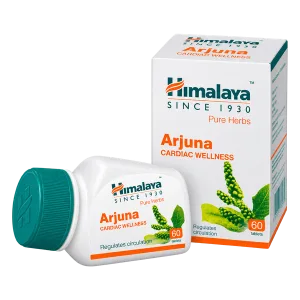
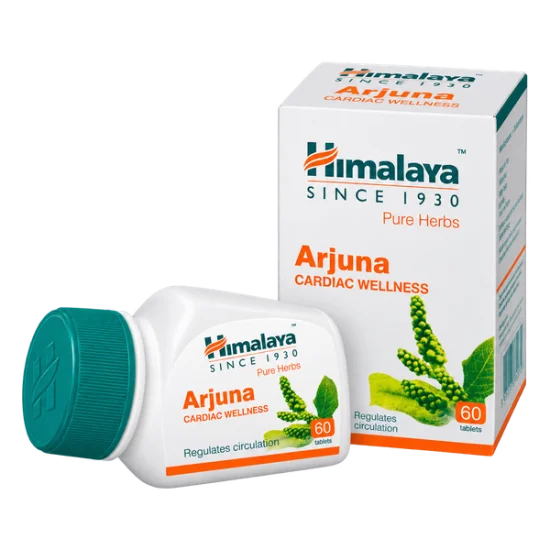
Arjuna provides Terminalia arjuna, a botanical traditionally prepared from tree bark and used in Ayurvedic cardiovascular care. The tablet form is intended for adults seeking herbal support for circulation and heart wellness, while clinical evidence remains limited and does not replace prescribed treatment.

Overview

Arjuna is the common name associated with Terminalia arjuna, an Indian tree traditionally valued for its outer bark. Arjuna Bark is commonly known in Ayurveda as Arjun ki Chaal, meaning Arjuna bark prepared for traditional use. Arjuna tablets provide a convenient oral form of this botanical preparation.

The product is intended as a herbal supplement for cardiovascular wellness. The phrase “cardiac wellness” describes the traditional purpose of the ingredient; it does not establish that the tablets diagnose, prevent, or treat heart disease. Its practical advantage is convenient oral use. Its limitation is that clinical evidence remains limited. A pharmacist or doctor can help assess whether it fits an individual care plan.

Botanical identity and plant part

Arjun ki Chaal is derived from Terminalia arjuna. Traditional preparations may use whole bark, powdered bark, a water-based decoction, or a concentrated extract. These forms cannot be treated as interchangeable because extraction methods can change the amount and balance of plant constituents delivered in each serving.

Ayurvedic tradition and terminology

Ayurvedic practitioners have traditionally associated Arjuna Bark with heart support and circulation. Traditional use offers useful cultural and botanical context, but it is not the same as evidence from large, modern clinical trials.

The World Health Organization describes medicinal plants through their identity, traditional applications, and safety considerations rather than treating traditional history as proof of treatment outcomes [1].

Do not assume that one teaspoon of Arjun ki Chaal powder equals one Arjuna tablet. Raw bark, powder, and extracted tablets can differ substantially in concentration.

Formulation

Arjuna tablets provide a botanical preparation associated with Terminalia arjuna, traditionally made from the tree’s outer bark and known in Ayurveda as Arjun ki Chaal. The exact amount per tablet and any additional ingredients are not established here.

Therapeutic indications

Arjuna Bark is traditionally used to support heart health, circulation, and aspects of cardiovascular function. Small clinical studies have explored Terminalia arjuna in people with cardiovascular symptoms, but the evidence is not strong enough to replace medicines prescribed for hypertension, diabetes, angina, cholesterol disorders, or heart failure.

The product may fit a wellness routine for an adult who has discussed herbal use with a pharmacist or doctor. It should not be used to self-treat new chest symptoms or to adjust cardiovascular medicines.

Heart health and heart function

Traditional cardiovascular use may relate to the bark’s plant compounds and their possible effects on vascular tone and cardiac workload. Human evidence remains limited, with differences between studies in preparation, extract strength, participant numbers, and treatment duration.

The European Medicines Agency evaluates evidence, quality, and safety for herbal substances through its herbal medicinal product framework. A traditional supplement claim should not be read as an EMA treatment indication [2].

Blood pressure and cholesterol considerations

Arjuna may have additive effects when combined with treatment that already lowers blood pressure or blood glucose. Possible interaction concerns also apply to people using anticoagulants, antiplatelet medicines, medicines for rhythm disorders, or several cardiovascular medicines together.

Keep taking prescribed treatment unless the prescriber changes it. Blood-pressure readings, blood-glucose results, cholesterol tests, and symptoms remain more useful than relying on how a supplement feels.

Evidence and treatment limits

Potential role Evidence and practical limit
Traditional heart support Used in Ayurvedic cardiovascular preparations; modern evidence remains limited
Circulation and blood-pressure wellness Possible additive effects with cardiovascular medicines require monitoring
Cholesterol or heart-disease treatment Arjuna tablets are not a substitute for diagnosis, blood tests, or prescribed therapy

Marketing language about heart wellness should be separated from treatment outcomes. A supplement can be used alongside a care plan only when its ingredients and possible interactions have been considered.

Dosage and administration

Arjuna tablets are taken orally. The appropriate dose is decided individually, taking age, other medicines, and health conditions into account. There is no universal dose that can be safely transferred between bark powder, tea, capsules, and tablets.

  • Use the product-specific serving instructions.
  • Take tablets with water.
  • Do not substitute a powder, decoction, or capsule dose for the tablet dose.
  • Do not increase the serving because the intended effect is not immediate.
  • Record dizziness, stomach symptoms, unusual bruising, or changes in blood-pressure readings.
  • Tell a prescriber about Arjuna before surgery or before starting a new prescription.

Powder and tea preparation

Traditional powder or tea preparation requires clean utensils, suitable water, and accurate adherence to the directions for that particular preparation. A tea made from loose bark cannot be assumed to have the same concentration as a tablet.

Stop the herbal product and seek medical advice if a widespread rash, facial swelling, persistent vomiting, marked dizziness, or breathing difficulty develops.

Tablet administration

Swallow the tablets with water unless the product-specific directions state otherwise. Do not open, crush, or chew a tablet without a clear instruction allowing that method.

The tablet form may be easier to use than a decoction, but it still requires an interaction review when cardiovascular or diabetes medicines are involved.

Reasons not to use it

Extra care is needed with:

  • Medicines for high blood pressure.
  • Medicines that lower blood glucose.
  • Anticoagulants or antiplatelet medicines.
  • Medicines for heart rhythm or heart failure.
  • Other herbal products with cardiovascular effects.
  • Medicines planned around an operation.

People with liver disease, kidney disease, an existing heart condition, diabetes, pregnancy, or breastfeeding should obtain individual medical advice before starting Arjuna. The same applies to anyone scheduled for surgery.

Medsafe provides consumer safety information for medicines and natural health products in New Zealand [3].

When this is not for you

NOT for you if you have new chest symptoms, want to replace prescribed treatment, or have not checked possible interactions with a clinician.

A person with chest pain, fainting, severe breathlessness, new swelling, or a fast or irregular heartbeat needs urgent medical assessment. A tablet intended for wellness cannot provide the rapid assessment required for these symptoms.

Possible side effects

Possible problems include stomach discomfort, nausea, loose stools, dizziness, or an allergic reaction. The evidence base for long-term use is limited, so prolonged daily use deserves periodic review.

Stop the herbal product and seek medical advice if a widespread rash, facial swelling, persistent vomiting, marked dizziness, or breathing difficulty develops.

How it affects the body

Terminalia arjuna is a botanical whose bark contains plant constituents that may influence vascular tone and cardiac workload. Traditional cardiovascular use may relate to these possible effects, but the precise biological mechanism and clinical effect are not firmly established. The preparation method can change the amount and balance of constituents delivered.

Common mistakes

Several mistakes can reduce safety or make the response difficult to judge:

  • Treating Arjuna tablets as a replacement for blood-pressure or heart medicines.
  • Assuming one tablet has the same strength as one teaspoon of bark powder.
  • Starting Arjuna while also starting a multi-herb blend.
  • Increasing the serving because no immediate change is felt.
  • Failing to mention the supplement before surgery.
  • Ignoring dizziness or unusually low-blood-pressure readings.
  • Continuing the product after a rash or facial swelling.
  • Stopping prescribed cardiovascular treatment without medical direction.
  • Taking the product during pregnancy or breastfeeding without individual advice.
  • Forgetting to mention non-prescription painkillers or anticoagulants during a medication review.

A supplement can change a person’s routine without producing an obvious sensation. Blood-pressure measurements and symptom records are more reliable than guessing from day-to-day feelings.

Comparison

Arjuna is an oral, single-botanical herbal supplement intended for traditional cardiovascular wellness. Unlike prescription medicines used for hypertension, diabetes, angina, cholesterol disorders, or heart failure, it is not established as a replacement for prescribed treatment and should not be used to adjust cardiovascular medicines.

What doctors say

A doctor would usually frame Arjuna as an adjunctive herbal option rather than a replacement for cardiovascular treatment. The practical questions are whether the person has a diagnosed condition, which medicines are already being taken, and whether blood pressure or glucose could be affected.

A clinician would also want to know why the person is considering the supplement. Mild wellness goals differ from untreated chest discomfort, exertional breathlessness, ankle swelling, or episodes of faintness.

The WHO approach to medicinal plants supports identifying the plant accurately and separating traditional use from established clinical indications. That distinction protects patients from delaying proven treatment while still allowing a balanced discussion of traditional botanicals [4].

Comparison

Compare all medicines for Heart Disease

Common questions

What happens when Arjuna is stopped, and does it need tapering?

Arjuna is a herbal supplement rather than a treatment known for a standard withdrawal syndrome. A taper is not routinely established for this product, although stopping several supplements at once can make symptoms harder to interpret. The WHO’s 2002 medicinal-plant monographs support distinguishing traditional use from withdrawal evidence, while a person taking cardiovascular treatment should keep prescribed medicines unchanged unless the prescriber directs otherwise.

Can Arjuna cause stomach upset or other digestive symptoms?

Yes, stomach discomfort, nausea, or loose stools can occur with herbal products, although the frequency for this specific tablet has not been established in a reliable clinical dataset. Taking the tablet with water and food may improve tolerance, but persistent symptoms require stopping and obtaining advice. WHO information from 2002 describes gastrointestinal reactions as a relevant safety consideration for medicinal plant preparations.

Can people under 18 use Arjuna?

Arjuna should not be given to a child or teenager unless a qualified clinician has specifically recommended it. Evidence for routine use in people under 18 is limited, and children can respond differently to herbal preparations. The American Academy of Pediatrics guidance available in 2023 supports discussing supplements with a clinician before use in children and adolescents.

How long does a course last, and is long-term use acceptable?

There is no universally established course length for Arjuna tablets because preparations, concentrations, and intended uses differ. Long-term daily use should be reviewed rather than continued automatically, especially when cardiovascular or diabetes medicines are involved. The WHO’s 2002 monograph framework supports considering duration and safety separately from traditional use.

Which symptoms mean stopping Arjuna and seeking urgent medical care?

Stop self-treatment and seek urgent medical care for chest pain, fainting, severe breathlessness, new swelling, or an irregular heartbeat. Facial swelling, breathing difficulty, or a widespread rash may indicate a serious allergic reaction and also requires urgent attention. Medsafe safety principles published in 2024 support prompt assessment of severe or rapidly worsening symptoms rather than managing them with a supplement.

What is the best time of day to take Arjuna?

Use the product-specific serving instructions and choose a consistent time that fits the person’s routine. Taking the tablet with water and food may be more comfortable for people who develop stomach upset, but food does not turn Arjuna into a rapid cardiovascular treatment. Medsafe guidance available in 2024 can help coordinate the timing with blood-pressure, diabetes, or anticoagulant medicines.

Do you offer anonymous delivery?

Your order will be securely packed and shipped within 24 hours. This is exactly what your package will look like (images of an actual item sent). It has the size and look of a regular private letter (24x11x0.7 cm) and its contents cannot be seen.

Arjuna Supplement Forms

Arjuna may appear as whole bark, powdered Arjun ki Chaal, tea, decoction, capsules, or tablets. The tablet form is easier to take consistently than loose bark, but convenience does not prove that it contains the same amount as another Arjuna product.

The most useful comparison is between preparation types, not between brand names.

Form Main practical difference
Whole bark or powder Requires preparation and does not automatically provide a standardised extract
Tea or decoction Involves water extraction; strength can vary with preparation
Tablets or capsules Portable and convenient, but extract strength and added ingredients vary

Whole bark and powder

Whole bark and powder may appeal to people following traditional preparation methods. Powder can be mixed according to the product directions, while whole bark is more commonly prepared as a decoction.

Neither form is automatically stronger than a tablet. A larger weight of raw bark does not necessarily provide more active plant constituents than a smaller amount of concentrated extract.

Tablets and capsules

Tablets provide a fixed unit, which can make routine use simpler. They also reduce the need to prepare a decoction and are easier to carry during a normal day.

Arjuna tablets should not be crushed or split unless the product instructions specifically allow it. Crushing a tablet can change how it breaks apart and may make the taste or stomach tolerance worse.

Before starting, write down every medicine, vitamin, herbal product, and occasional painkiller you use. This is more useful for an interaction review than giving only the name “Arjuna.”

Sources

  1. World Health Organization (2002). WHO Monographs on Selected Medicinal Plants, Volume 2 — Terminalia arjuna
  2. European Medicines Agency (2023). European Union herbal monographs
  3. Medsafe (2024). Natural health products and medicine safety information for consumers
  4. American Academy of Pediatrics (2023). Use of Herbal Products and Dietary Supplements in Children and Adolescents

Reviews: Arjuna

3.1
Based on 5 reviews
Thomas V., 66 Blenheim Several weeks
Verified
Rating: 5 out of 5

I used the tablets for several weeks as part of a general heart-health routine. I found them easier than preparing bark tea, but I did not change my blood-pressure medicine and kept recording my readings.

5 Nov 2026
Michael F., 53 Oamaru First few days
Verified
Rating: 3 out of 5

The tablets fitted my morning routine. I noticed mild stomach discomfort during the first few days, so I took them with food and discussed continuing them during my next medicine review.

7 Oct 2026
Gareth M., 28 New Plymouth Not stated
Verified
Rating: 2 out of 5

I expected a noticeable change quickly and was disappointed when I felt nothing. The pharmacist explained that traditional heart-support claims are not the same as a fast-acting treatment, so I stopped using it as a test of fitness.

16 Oct 2026
Ian, 50 Wellington Not stated
Verified
Rating: 1.5 out of 5

I had been using several supplements at once and could not tell which one caused dizziness. I stopped the new products and arranged a review rather than adding another tablet.

23 Oct 2026
Liam B., 53 Christchurch Not stated
Verified
Rating: 4 out of 5

The tablet form was convenient and I had no obvious problem with it. I still treated it as an add-on, because my cholesterol and blood-pressure care depended on regular tests and prescribed treatment.

28 Oct 2026
Get our free app Shop faster and track your orders 3.4 · 155 reviews Install