Skip to content
Asacol
Active ingredient: Mesalazine

Asacol

Quality products
24/7 Support
Fast delivery
Delivery from 4 days
Select pack Package Per unit Price

Free delivery on orders from $ 376.00, free express delivery from $ 564.00

Secure Payments
Track your order
Best price guarantee

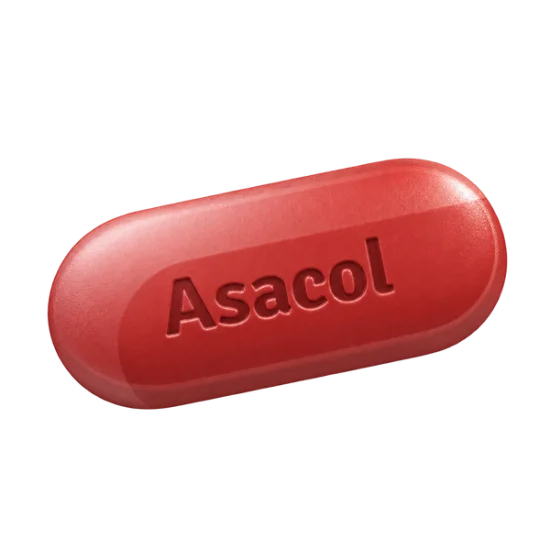
Asacol capsules are taken by mouth, with the regimen confirmed by a healthcare professional before treatment begins. They contain mesalazine for mild-to-moderate ulcerative colitis, where the 5-ASA anti-inflammatory acts mainly on the bowel lining to control inflammation and support remission.

Overview

Asacol is a branded mesalazine product from the aminosalicylate family. Mesalazine and mesalamine are names for the same active ingredient, also called 5-aminosalicylic acid or 5-ASA.

Formulation

Asacol contains mesalazine, also known as mesalamine or 5-aminosalicylic acid (5-ASA). It is an aminosalicylate medicine supplied here as capsules for oral use.

Therapeutic indications

Asacol is a branded mesalazine product from the aminosalicylate family. Mesalazine and mesalamine are names for the same active ingredient, also called 5-aminosalicylic acid or 5-ASA. The medicine is used mainly for ulcerative colitis, a chronic inflammatory condition affecting the rectum and colon.

Mesalazine helps reduce inflammation during an active episode and may help maintain remission after symptoms settle. It controls inflammatory activity; it does not remove the underlying tendency to ulcerative colitis. The treatment plan depends on the severity of inflammation, the bowel segments involved, previous response, and whether symptoms are occurring during a flare or remission.

Ulcerative Colitis Treatment Role

Ulcerative colitis can involve the rectum alone, the left side of the colon, or a larger part of the colon. Oral mesalazine is used when treatment needs to reach more extensive bowel inflammation. Rectal formulations may be added when inflammation is concentrated in the rectum or lower colon.

Severe flares may need a different or additional treatment plan from a gastroenterologist. Severe abdominal pain, heavy rectal bleeding, fever, dehydration, or rapidly worsening diarrhoea require prompt medical assessment rather than repeated self-adjustment of Asacol.

The European Medicines Agency recognises mesalazine as an anti-inflammatory treatment for ulcerative bowel disease, while New Zealand prescribing decisions are guided by Medsafe-approved product information [1].

Dosage and administration

Asacol is supplied here as capsules. The regimen for the chosen strength must be confirmed with a healthcare professional before treatment begins. The required schedule can differ between an active flare and maintenance treatment, and it can also depend on the extent of ulcerative colitis.

  • Take the prescribed oral dose by mouth at the scheduled frequency.
  • Use the product consistently, even when symptoms have improved.
  • Swallow the capsule as directed for its formulation.
  • Do not double the next dose after a missed dose.
  • If several doses are missed, obtain specific instructions from the prescriber or pharmacist.

Oral Tablet and Capsule Formulations

The modified-release designation matters. A medicine designed to release mesalazine in one intestinal region may not provide the same coverage when substituted with a different release system. A patient moving between oral mesalazine products needs confirmation of the new strength, release mechanism, and schedule.

  • Take oral mesalazine at the prescribed times.
  • Swallow the capsule or tablet in the manner specified for its formulation.
  • Do not crush, chew, or split a modified-release or gastro-resistant product without explicit instructions.
  • Do not double a dose after forgetting one.
  • Ask for individual advice after several missed doses.
  • Continue the prescribed course unless the prescriber changes it.
  • Attend planned kidney, liver, or blood monitoring.
  • Use Asacol Rectal Suppositories or an Asacol enema only in the prescribed way.
  • Follow applicator instructions for the prescribed Asacol enema formulation.
  • Report severe pain, heavy bleeding, fever, or a sudden worsening of bowel symptoms.

Symptom improvement does not always mean the intestinal lining has healed. Stopping as soon as bleeding settles can allow inflammation to return before the patient feels unwell again.

For rectal treatment, prepare the applicator before getting into position and allow enough private time to remain still afterwards. Retention is often easier at bedtime when the prescribed product is intended for overnight use.

Reasons not to use it

Asacol is not suitable for everyone. The medicine needs specific review in people with previous 5-ASA reactions, salicylate sensitivity, significant kidney disease, severe liver disease, or a history of blood disorders linked to mesalazine.

Medication Interactions

Tell the prescribing team about digoxin, Azathioprine, Imuran, naproxen products such as Anaprox DS, ibuprofen products such as Advil, and celecoxib products such as Celebrex. This includes regular over-the-counter painkillers, supplements, and medicines used only occasionally.

Asacol may decrease absorption of digoxin, which can affect treatment monitoring. Mesalazine used with immunomodulators may increase the need for attention to blood counts or infection symptoms. NSAIDs can complicate interpretation of abdominal symptoms and may add kidney or gastrointestinal concerns, especially in people who are dehydrated or have pre-existing kidney disease.

The product information for mesalazine advises careful review of kidney-related risks and interacting treatments; Medsafe safety information supports medicine reconciliation before and during therapy [3].

When this is not for you

This Medication Is Not for You If

  • You previously developed a serious allergic or intolerance reaction to mesalazine, mesalamine, or another 5-ASA product.
  • You have significant kidney impairment without a clinician-approved monitoring plan.
  • You have unexplained low blood counts or a previous severe blood reaction associated with mesalazine.
  • You develop breathing difficulty, facial swelling, severe rash, chest pain, or a sudden major reduction in urine after starting treatment.
  • You are pregnant or breastfeeding and have not had the treatment reviewed for your circumstances.

Pregnancy decisions are individual. Active ulcerative colitis also carries risks, so stopping treatment without a replacement plan can be harmful. The prescriber weighs disease control against medicine exposure.

Possible side effects

Mesalazine is often tolerated without major problems, but adverse reactions can affect the digestive system, skin, kidneys, liver, blood cells, or heart. Commonly described effects include abdominal discomfort, nausea, diarrhoea, headache, and rash. Frequency varies between formulations and product information, so unsupported percentages should not be used.

Common and Serious Adverse Effects

Contact the prescriber promptly for persistent vomiting, worsening abdominal pain, severe diarrhoea, marked rash, fever, unusual bruising, or a sudden change in urinary output. Urgent assessment is needed for breathing difficulty, facial swelling, chest pain, severe skin reactions, or rapidly worsening symptoms.

Mesalazine can rarely affect kidney function. Renal tests may be arranged before treatment and during longer courses, especially when kidney disease, dehydration, or medicines affecting the kidneys are present. Adequate fluid intake is sensible unless a clinician has prescribed fluid restriction.

5-ASA Allergy and Acute Intolerance

A patient who is allergic to 5-ASA or salicylates may react to mesalazine. A previous reaction to aspirin-related medicines or another mesalazine product should be reported before treatment begins.

Mesalamine-induced acute intolerance syndrome can resemble a worsening ulcerative colitis flare. Symptoms may include cramping, abdominal pain, fever, headache, and increased bloody diarrhoea. The practical mistake is to assume every sudden deterioration means more Asacol is needed. Contact the prescriber promptly before taking further doses when acute intolerance is suspected; the American College of Gastroenterology describes this as a clinically recognised reason for reassessment [2].

A new fever with sharply worsening diarrhoea after starting mesalazine deserves a treatment review, not an automatic increase in dose. Record when the symptoms began and which doses were taken.

How it affects the body

Mesalazine acts directly on inflamed intestinal tissue. It may reduce inflammatory mediators, including pathways linked with leukotriene synthesis, prostaglandins, and other signalling substances involved in mucosal inflammation. The result is less inflammatory activity in the bowel lining, rather than broad immune suppression throughout the body.

Local Anti-Inflammatory Action

The medicine is a salicylate with a different role from systemic immunosuppressants. It is intended to act at the intestinal surface, although some absorption and kidney elimination still occur. That is why renal function, hydration, and medicine interactions remain relevant during treatment.

Patients sometimes judge treatment only by stool frequency. Rectal bleeding, urgency, abdominal discomfort, fatigue, and inflammatory markers may change at different speeds. A reduction in symptoms is useful, yet it does not always prove that bowel inflammation has fully settled.

Gastro-Resistant and Delayed-Release Design

Do not crush, chew, or split a gastro-resistant or delayed-release tablet unless the prescribing instructions for that exact formulation allow it. Altering the tablet can change where the dose is released.

Release technology is not interchangeable between all oral mesalazine products. Two products containing the same active ingredient may dissolve at different points in the gastrointestinal tract.

Common mistakes

  • Treating every mesalazine product as interchangeable.
  • Crushing or chewing a delayed-release or gastro-resistant form.
  • Stopping treatment as soon as rectal bleeding improves.
  • Doubling the next dose after a missed dose.
  • Adding ibuprofen or naproxen regularly without mentioning it.
  • Assuming a sudden flare-like illness is automatically ulcerative colitis progression.
  • Missing kidney tests during prolonged treatment.
  • Using an enema concentration or volume as though it were another prescribed product.

A capsule should not be opened or altered simply because swallowing is difficult. The release system may depend on the intact dosage form. Ask for a formulation-specific solution instead of modifying it independently.

Comparison

Treatment selection follows disease location, severity, response, tolerance, and monitoring needs. Asacol and Pentasa are both mesalazine-based options, yet their release systems differ. Sulfasalazine delivers mesalazine as its active moiety but also contains sulfapyridine, which can influence tolerability.

Medicine or class Main role and practical distinction Monitoring or limitation
Asacol or Pentasa 5-ASA treatment with formulation-specific intestinal release Product handling and release location matter
Sulfasalazine Delivers mesalazine with an additional sulfapyridine component Blood tests and tolerance review may be needed
Azathioprine or Imuran Immunomodulator rather than a direct Asacol substitute Slower onset and regular clinical monitoring
Keep the product name, strength, and release description together when discussing a switch. “Mesalazine” alone is not enough information to calculate an equivalent regimen.

Asacol and Pentasa Formulation Differences

Pentasa and Asacol may release mesalazine at different points in the bowel. Neither brand is universally preferable. The chosen formulation should match the location of inflammation and the treatment objective.

Changing from Asacol to Pentasa, or the reverse, may require a new schedule even when both products contain mesalazine. The patient should not use the old dose automatically.

Mesalazine and Sulfasalazine

Sulfasalazine is broken down in the colon, releasing mesalazine as its active moiety. Its additional sulfapyridine component can contribute to adverse effects and may influence whether it suits an individual patient.

Blood counts, liver tests, and kidney assessment may be used during sulfasalazine treatment, depending on the clinical plan. A history of intolerance to sulfonamides or previous problems with sulfasalazine should be included in the medicine history.

Azathioprine and Imuran Treatment Roles

Azathioprine, also known by the brand name Imuran, is an immunomodulator. It is not a simple Asacol replacement and does not provide the same rapid local 5-ASA action. It can take longer to show benefit and requires planned monitoring of blood counts, liver function, and treatment response.

What doctors say

In clinical practice, gastroenterologists usually choose mesalazine by matching release location to disease distribution. A patient with rectal inflammation may need a rectal preparation, while more extensive colitis may require oral treatment, sometimes with both routes during a flare.

Doctors also look beyond symptom counts. Blood tests, kidney function, inflammatory markers, stool testing, and endoscopic findings can influence whether treatment is continued, adjusted, or escalated. A capsule that feels easy to take still requires the correct formulation and schedule.

Common questions

How long does an Asacol course last, and is long-term use acceptable?

Treatment duration depends on whether Asacol is being used to control an active flare or maintain remission. Some people use mesalazine for extended periods when the benefit remains clear and monitoring is satisfactory. The American Gastroenterological Association (2019) supports 5-ASA therapy as a maintenance option for suitable ulcerative colitis patients, with treatment reviewed against response and safety [4]. Follow-up may include symptom review, laboratory testing, or endoscopic assessment. The prescriber balances continued benefit with kidney safety and disease control.

Is Asacol suitable for older adults?

Older adults may use mesalazine, but kidney function, hydration, other medicines, and frailty require closer attention. Digoxin, NSAIDs, diuretics, and medicines affecting renal function can complicate treatment monitoring. Medsafe product information (2023) recommends appropriate renal assessment during mesalazine therapy, especially when risk factors are present.

Can alcohol be used while taking Asacol?

There is no general alcohol prohibition specific to mesalazine in standard gastroenterology guidance. Alcohol may still worsen diarrhoea, dehydration, reflux, or abdominal discomfort, which can make ulcerative colitis symptoms harder to interpret. The Crohn’s & Colitis clinical guidance available in 2025 advises patients to observe personal symptom patterns and avoid alcohol if it aggravates bowel symptoms.

Can people under 18 use Asacol?

Use in children and adolescents depends on the exact formulation, strength, diagnosis, and specialist direction. A paediatric gastroenterologist may prescribe mesalazine when the expected benefit outweighs the risks, but an adult schedule must not be copied for someone under 18. EMA product information (2024) places age-specific dosing and formulation decisions within the approved product guidance.

Can the capsule or tablet be split, crushed, or chewed?

Modified-release and gastro-resistant mesalazine products should generally remain intact because the coating controls where the medicine is released. Crushing, chewing, or splitting can expose the active ingredient too early and may reduce the intended local bowel delivery. Medsafe product information (2023) should be followed for the exact dosage form, and swallowing difficulty should be discussed before changing it.

Do you offer anonymous delivery?

Your order will be securely packed and shipped within 24 hours. This is exactly what your package will look like (images of an actual item sent). It has the size and look of a regular private letter (24x11x0.7 cm) and its contents cannot be seen.

Sources

  1. European Medicines Agency (2024). Summary of Product Characteristics (SmPC) — mesalazine.
  2. American College of Gastroenterology (2019). ACG Clinical Guideline: Ulcerative Colitis in Adults.
  3. Medsafe (2023). Data Sheet — Asacol (mesalazine).
  4. American Gastroenterological Association (2019). Clinical Practice Guideline on the Management of Mild-to-Moderate Ulcerative Colitis.

Reviews: Asacol

3.7
Based on 3 reviews
Jessica, 60 Lower Hutt Several weeks
Verified
Rating: 4 out of 5

The urgency eased gradually, and I was able to plan short trips again. I still had occasional cramps at first, so the improvement was not immediate.

2 Nov 2026
Rachel, 62 Auckland Several weeks
Verified
Rating: 3 out of 5

The bleeding settled, but I developed a headache and stomach discomfort early on. The symptoms became easier to manage after the treatment was reviewed, though I needed follow-up tests.

7 Oct 2026
Ruth, 49 Upper Hutt Several weeks
Verified
Rating: 4 out of 5

The combination helped more than the capsules alone for lower bowel symptoms. The enema was awkward during the first few nights, and retaining it took practice.

24 Oct 2026
Get our free app Shop faster and track your orders 3.4 · 155 reviews Install