Walking around the house became easier and I needed fewer rest breaks. I still noticed ankle swelling, so the treatment was reviewed rather than increased.
Celecoxib, the active ingredient of Celebrex, is a selective COX-2 nonsteroidal anti-inflammatory drug (NSAID) for inflammatory pain. Celebrex is prescribed for conditions such as osteoarthritis and rheumatoid arthritis when its cardiovascular, kidney and gastrointestinal risks have been assessed.
Overview
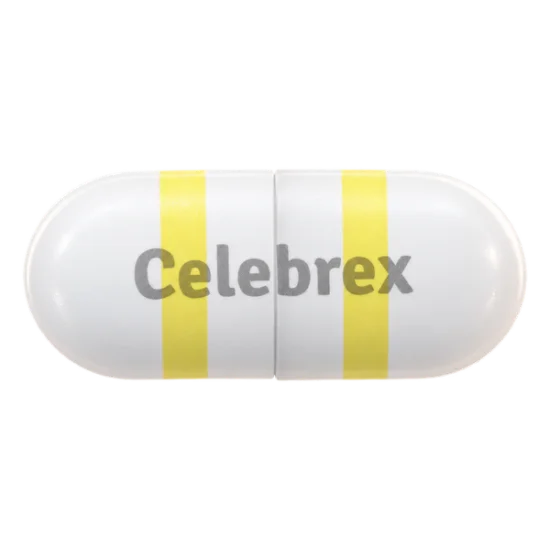
Celecoxib is the active ingredient in Celebrex. It belongs to the coxib group of nonsteroidal anti-inflammatory drugs (NSAIDs) and is used to reduce pain and inflammation. Celebrex is supplied as oral capsules.
Formulation
Celebrex contains celecoxib, a prescription NSAID that reduces pain and inflammation. It is supplied as oral capsules and may be prescribed for osteoarthritis, rheumatoid arthritis, short-term musculoskeletal pain, or painful menstrual periods when clinically suitable. Celecoxib can relieve symptoms, but it does not repair joint damage or remove the underlying cause of every pain condition.
Active Ingredient and Pharmacological Class
Celecoxib belongs to the coxib group of NSAIDs. An NSAID is a medicine that reduces pain, inflammation and fever by limiting the production of inflammatory signalling chemicals.
A prescriber considers the diagnosis, age, blood pressure, kidney function, ulcer history, cardiovascular health and other medicines before selecting Celebrex. The amount taken at each intake is set individually rather than being one fixed amount for every person.
Clinical Uses and Pain Conditions
Celebrex may be used for:
- Osteoarthritis pain and stiffness.
- Rheumatoid arthritis symptoms.
- Acute musculoskeletal pain in selected cases.
- Painful menstruation.
- Other inflammatory pain conditions where a prescriber considers celecoxib appropriate.
Celecoxib is not suitable for every type of pain. It may reduce swelling and discomfort while the underlying joint, muscle or inflammatory condition still requires assessment and treatment.
Therapeutic indications
Celebrex may be used for:
- Osteoarthritis pain and stiffness.
- Rheumatoid arthritis symptoms.
- Acute musculoskeletal pain in selected cases.
- Painful menstruation.
- Other inflammatory pain conditions where a prescriber considers celecoxib appropriate.
Dosage and administration
Celebrex capsules are taken by mouth. The prescribed amount and frequency depend on the condition being treated, response to treatment, age, kidney and liver function, cardiovascular risk, ulcer history and interacting medicines.
Dose Selection and Treatment Duration
Prescribing decisions follow several principles:
- Use the lowest suitable prescribed dose.
- Use treatment for the shortest clinically appropriate period.
- Avoid increasing the amount when pain relief is incomplete.
- Review continued treatment when pain becomes persistent.
- Seek advice before restarting capsules left over from an earlier illness.
- Swallow the capsules as directed rather than altering the dose independently.
The New Zealand consumer medicine information and approved product information provide condition-specific directions. Long-term treatment requires periodic review because NSAID risks can change with age, dehydration, blood pressure, kidney function and new medicines.
Missed Dose and Daily Use Guidance
Take a missed dose when remembered unless the next scheduled dose is near. In that situation, skip the missed dose and return to the usual schedule. Do not double the next amount unless a prescriber has specifically instructed this.
Do not take extra Celebrex for pain that breaks through the prescribed schedule. A sudden increase in pain may indicate a new injury, infection or worsening inflammatory condition.
Reasons not to use it
Celebrex may be unsuitable for someone with active gastrointestinal bleeding, a previous NSAID-related ulcer, significant kidney impairment, severe liver impairment, uncontrolled hypertension or established cardiovascular disease.
Important interaction groups include:
- Warfarin and other anticoagulants.
- Antiplatelet medicines, including some aspirin regimens.
- Corticosteroids.
- ACE inhibitors and angiotensin receptor blockers.
- Diuretics.
- Lithium.
- Methotrexate.
- Other NSAIDs, including ibuprofen, naproxen and meloxicam.
Celebrex is unsuitable for people with a previous serious allergic reaction to celecoxib, sulfonamide-related medicines where clinically relevant, aspirin or other NSAIDs. Asthma that worsens after aspirin or NSAIDs is a significant warning.
When this is not for you
Celebrex may not be for you if you have active gastrointestinal bleeding, severe kidney impairment, or a serious allergy to NSAIDs unless a prescriber gives different advice. Assessment is also needed after heart attack, stroke, coronary bypass surgery or episodes of heart failure. Discuss pregnancy, planned pregnancy or breastfeeding before treatment, and tell the prescriber if asthma worsens after aspirin or NSAIDs.
Possible side effects
Celecoxib can cause side effects involving the digestive system, nervous system, kidneys, cardiovascular system, liver or skin. The likelihood of harm rises with higher doses, longer treatment, older age, dehydration, cardiovascular disease, kidney disease, ulcer history and interacting medicines.
Common and Usually Manageable Effects
Possible effects include:
- Indigestion or abdominal discomfort.
- Nausea or diarrhoea.
- Headache.
- Dizziness.
- Swelling caused by fluid retention.
- Increased blood pressure.
- Mild skin reactions.
Persistent indigestion should not be dismissed as routine, especially in someone with a previous ulcer or gastrointestinal bleed. Fluid retention can worsen ankle swelling or breathlessness in people with heart or kidney disease.
Serious Adverse Reactions
Stop and seek urgent medical attention for:
- Chest pain, sudden weakness or shortness of breath.
- Black, tarry stools or vomiting blood.
- Facial, lip, tongue or throat swelling.
- Blistering, peeling or rapidly spreading rash.
- Yellowing of the skin or eyes.
- Markedly reduced urination.
- Severe abdominal pain or fainting.
Some serious reactions can occur without dramatic early symptoms. A new rise in blood pressure, rapid weight gain from fluid or a noticeable fall in urine output warrants prompt medical assessment. The FDA prescribing information describes cardiovascular, gastrointestinal, renal, hepatic and serious skin reactions as clinically significant NSAID risks [2].

How it affects the body
Celecoxib selectively inhibits cyclo-oxygenase-2, usually called COX-2. COX-2 enzymes help produce prostaglandins, chemical messengers involved in pain, swelling and inflammation. By reducing prostaglandin production at inflamed tissues, celecoxib can lessen tenderness, stiffness and movement-related pain [1]. This action can reduce pain and stiffness. It does not correct structural joint damage. Response varies with the diagnosis, dose and treatment duration. Clinical review remains appropriate when symptoms persist.
COX-2 Enzymes and Prostaglandin Signalling
A simple way to understand COX-2 is to view it as part of an inflammatory signalling pathway. Tissue irritation activates inflammatory processes, COX-2 activity increases, prostaglandins are produced, and pain signals become more prominent. Celecoxib interrupts part of this pathway.
The effect is symptom control. It does not mean that the inflammatory disease has disappeared.
Selective NSAID Activity
Celecoxib has greater selectivity for COX-2 than traditional non-selective NSAIDs such as ibuprofen or naproxen. This may make it a useful option when gastrointestinal considerations influence NSAID selection. COX-2 selectivity is relative and dose-dependent, though, and it does not remove the possibility of stomach bleeding, kidney injury, fluid retention or cardiovascular events.
The selective action also does not make Celebrex interchangeable with low-dose aspirin. Aspirin has separate antiplatelet uses that depend on platelet COX-1 inhibition.
Common mistakes
Duplicate NSAID Use
A common mistake is taking ibuprofen or naproxen on top of Celebrex. This can raise the risk of gastrointestinal bleeding, kidney injury, fluid retention and blood-pressure changes. Low-dose aspirin prescribed for cardiovascular protection is a separate clinical issue and should not be stopped without specific advice.
Self-Adjustment and Unreviewed Long-Term Use
Other frequent errors include:
- Increasing the amount because the first doses did not give enough relief.
- Using old capsules for a new pain problem.
- Continuing daily treatment for months without review.
- Forgetting to mention aspirin, anticoagulants or corticosteroids.
- Assuming better movement means the disease has been cured.
- Taking a double amount after a missed dose.
Comparison
Celebrex, ibuprofen, naproxen, meloxicam and aspirin all belong to the broader NSAID group, yet they have different pharmacological roles and risk profiles.
| Medicine or group | Main pharmacological profile | Key caution |
|---|---|---|
| Celecoxib | Relatively selective COX-2 inhibition | Cardiovascular, kidney and gastrointestinal risks remain possible |
| Ibuprofen, naproxen and meloxicam | Traditional or preferential NSAID activity | Stomach, kidney, blood pressure and cardiovascular risks vary by person and dose |
| Aspirin | Low doses have antiplatelet activity; higher doses have analgesic effects | It is not a direct substitute for Celebrex and can increase bleeding risk |
Celecoxib may be selected when a prescriber wants anti-inflammatory treatment with a different gastrointestinal risk profile from some traditional NSAIDs. A lower tendency to inhibit COX-1 does not guarantee protection from ulcers or gastrointestinal bleeding.
Naproxen may be chosen for certain pain patterns because of its duration of action. Ibuprofen is often used for short-term pain, while meloxicam may be prescribed for longer inflammatory conditions. These are clinical choices, not universal rankings.
Combining celecoxib with ibuprofen, naproxen, meloxicam or another NSAID can increase harm without reliably improving pain control. Low-dose aspirin requires individual advice rather than automatic discontinuation.
What doctors say
In clinical practice, prescribers weigh the pain diagnosis against cardiovascular history, blood pressure, kidney function, ulcer risk, age, treatment duration and concurrent medicines. Celebrex may suit someone who needs anti-inflammatory treatment and has a reason to avoid a traditional NSAID, while another person may need a non-NSAID analgesic, physiotherapy or a different treatment plan.
COX-2 selectivity can help inform gastrointestinal decisions. It does not remove renal or cardiovascular concerns. A person whose pain improves may still need review because symptom relief does not prove that the underlying arthritis, injury or inflammatory disease has resolved.
Medsafe-approved medicine information remains the appropriate reference for New Zealand prescribing decisions. The World Health Organization also identifies NSAID selection as a balance between expected benefit, dose, duration and patient risk [3].
Comparison
Aleve
Arcoxia
Celebrex Current
Common questions
What should I do after missing a Celebrex dose?
Take the missed dose when remembered unless the next scheduled dose is close, then skip it and continue normally. Never double the next dose without specific instructions. Medsafe’s 2024 consumer medicine information supports this general missed-dose approach, while personal schedules may require different advice.
What is the best time of day to take Celebrex?
Take Celebrex at the time prescribed, keeping the schedule consistent if it is used regularly. The best time depends on the condition, dosing frequency, sleep pattern and other medicines. Medsafe information available in 2024 emphasises following the prescribed schedule rather than choosing a timing routine independently.
What should I do if the expected pain relief does not come?
Do not increase the amount or add ibuprofen, naproxen or another NSAID on your own. Persistent pain may reflect an incorrect diagnosis, a worsening condition or a need for a different treatment. Medsafe’s 2024 product information supports clinical review when symptom control is inadequate or adverse effects appear.
Can Celebrex be taken with food or on an empty stomach?
Celebrex may be taken according to the instructions supplied with the prescription and current New Zealand consumer medicine information. Food can affect tolerability for some people, especially when indigestion occurs, but it does not remove NSAID bleeding or kidney risks. Medsafe’s 2024 information should guide the specific formulation and schedule.
How long does a Celebrex course last, and is long-term use acceptable?
The course length depends on the diagnosis, response and risk profile. Long-term treatment can be appropriate for some chronic inflammatory conditions, but it requires periodic review of blood pressure, kidney function, gastrointestinal symptoms and interacting medicines. Medsafe’s 2024 approved information supports using the lowest suitable dose for the shortest clinically appropriate duration.
Can Celebrex affect driving, concentration or machinery work?
Celebrex can cause dizziness, headache or visual symptoms in some people, which may impair driving or machinery work. Avoid these activities until you know how the capsules affect you. The 2024 Medsafe medicine information identifies dizziness and related effects as reasons for caution.
What happens when Celebrex is stopped, and does it need tapering?
Celebrex is not usually stopped through a gradual taper solely to prevent withdrawal, but the underlying pain or inflammation may return when treatment ends. Do not stop a prescribed long-term regimen without understanding the follow-up plan, especially when it is controlling a chronic condition. The EMA’s 2023 celecoxib product information supports reassessing ongoing need and treatment risk rather than extending therapy automatically [4].
Do you offer anonymous delivery?
Your order will be securely packed and shipped within 24 hours. This is exactly what your package will look like (images of an actual item sent). It has the size and look of a regular private letter (24x11x0.7 cm) and its contents cannot be seen.
Sources
- Medsafe (2024). Celebrex Data Sheet and Consumer Medicine Information
- U.S. Food and Drug Administration (2023). Celebrex (celecoxib) Prescribing Information
- World Health Organization (2008). WHO Model Formulary 2008
- European Medicines Agency (2023). Summary of Product Characteristics (SmPC) — celecoxib
Reviews: Celebrex
The capsules helped with morning stiffness after the first part of treatment. I also had indigestion and stopped taking extra ibuprofen, which I had not realised could be a problem.
It reduced the pain enough for normal movement, but it did not remove everything. I felt dizzy after one dose and avoided driving until the symptom had settled.