Skip to content
Aleve
Active ingredient: Naproxen

Aleve

Quality products
24/7 Support
Fast delivery
Delivery from 4 days
Select pack Package Per unit Price

Free delivery on orders from $ 376.00, free express delivery from $ 564.00

Secure Payments
Track your order
Best price guarantee

Aleve provides temporary relief from pain, inflammation and fever through naproxen sodium, an NSAID. It is used by adults for short-term headaches, muscle aches, menstrual cramps, back pain and minor joint pain. Its longer action can allow more time between doses than some shorter-acting pain relievers.

Overview

Naproxen sodium belongs to the NSAID class. Aleve contains naproxen sodium, a non-steroidal anti-inflammatory drug (NSAID).

Formulation

Aleve contains naproxen sodium, a non-steroidal anti-inflammatory drug (NSAID). NSAIDs reduce the production of prostaglandins, chemical messengers involved in pain, swelling and fever. Aleve can ease symptoms, but it does not correct the underlying cause of persistent arthritis, injury or unexplained pain.

Active Ingredient and Pharmacological Class

Naproxen sodium belongs to the NSAID class. It reduces cyclooxygenase activity, which lowers the formation of prostaglandins in inflamed or injured tissues. This action can reduce pain, tenderness, swelling and raised temperature. The effect is linked to reduced prostaglandin production. The same pathway also explains why adverse effects can occur in several organ systems.

Aleve is intended for temporary symptom relief. Repeated self-treatment can expose the stomach, kidneys and cardiovascular system to avoidable risk, especially when the dose is increased or combined with another NSAID.

Aleve Tablet Formulation

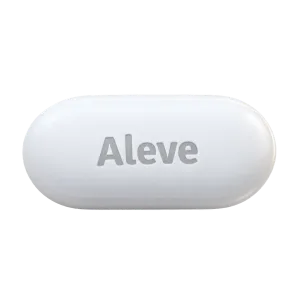
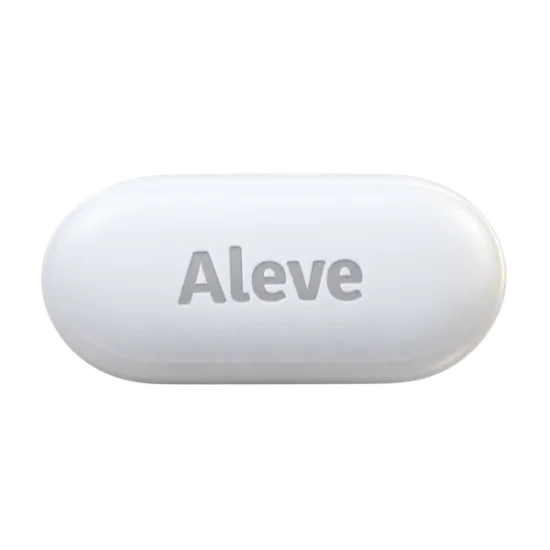
Aleve is supplied as tablets for oral use. Swallow the tablet with water rather than taking it dry. Taking it with food or milk may reduce stomach discomfort, although food does not remove the risk of gastrointestinal bleeding.

Write down the time of each dose. This simple habit helps prevent an early repeat dose when pain returns during a busy day.

Therapeutic indications

Aleve may provide short-term relief for:

  • Headache and tension-type headache
  • Toothache
  • Backache
  • Muscle aches
  • Minor sprains and strains
  • Menstrual cramps
  • Minor arthritis-related pain
  • Fever associated with short-term illness, where NSAID use is suitable

The product is not appropriate for every type of pain. Severe pain without an obvious cause, rapidly increasing swelling, chest pain, severe abdominal pain, weakness on one side of the body or pain after a serious injury needs medical assessment rather than repeated self-treatment.

Persistent pain also changes the decision. If symptoms keep returning, the cause may require examination, blood tests, imaging or a different treatment plan.

Dosage and administration

The amount per intake is set individually rather than being one fixed number for every person. Use the dose stated for the specific Aleve product and do not exceed its labelled daily maximum.

  • Take Aleve by mouth with water.
  • Use the lowest amount that controls symptoms.
  • Leave at least the labelled interval between doses.
  • Do not take it more frequently because pain returns sooner.
  • Do not combine it with ibuprofen, aspirin used for pain, diclofenac or another NSAID unless a clinician has specifically instructed this.
  • Avoid prolonged self-treatment for pain or fever.
  • Children, adolescents, older adults and people with chronic illness need age- and condition-specific advice before use.

Adults with a history of stomach ulcer, kidney disease, heart disease, high blood pressure, asthma triggered by aspirin or NSAIDs, or regular anticoagulant use should obtain individual advice before taking naproxen sodium. The same applies during pregnancy, when NSAID use requires careful clinical assessment.

Administration and Missed-Dose Guidance

If a dose is missed, take it when remembered only if there is enough time before the next scheduled dose. If the next dose is due soon, skip the missed dose. Never double the amount to compensate.

Swallow the tablet whole unless the product information specifically permits another method. Crushing, chewing or splitting can produce an unpleasant taste and may alter how a tablet is taken. Do not assume that every tablet can be divided accurately.

Check cold, flu and headache products before adding Aleve. Some combination products contain another NSAID or aspirin, creating an accidental duplicate dose.

Duration Limits for Self-Treatment

Use Aleve for the shortest period that provides relief. A short episode of muscle pain or menstrual cramps may need only occasional doses, while recurring arthritis symptoms require a treatment plan rather than indefinite self-medication.

Stop self-treatment and arrange medical assessment when pain worsens, fever persists, swelling continues, movement becomes difficult or symptoms repeatedly return. Frequent NSAID use raises the chance of gastrointestinal, kidney and cardiovascular complications.

Naproxen sodium commonly begins to relieve pain within about 30 to 60 minutes. Relief may last around 8 to 12 hours for some people, although the response depends on the condition, dose, food intake and individual metabolism.

The time to symptom relief is different from the time needed for an injury or inflammatory condition to settle. Aleve may reduce discomfort without speeding tissue healing. Persistent pain after the expected period of relief should not automatically lead to an extra dose.

Reasons not to use it

Aleve is not suitable for you without individual medical advice if you:

  • Have had an allergic reaction, asthma attack or severe skin reaction after aspirin or another NSAID
  • Have an active stomach ulcer or previous gastrointestinal bleeding
  • Have significant kidney disease
  • Have severe heart failure or serious cardiovascular disease
  • Take anticoagulants, antiplatelet medicines, corticosteroids or another NSAID
  • Are dehydrated from vomiting, diarrhoea, fever or poor fluid intake
  • Are pregnant, trying to conceive or breastfeeding and need regular NSAID treatment
  • Are preparing for surgery, especially where bleeding risk matters

When this is not for you

Pregnancy requires specific advice because NSAID suitability changes during pregnancy, with greater concern later in pregnancy. Do not start regular naproxen sodium during pregnancy without a clinician or pharmacist reviewing the situation.

Possible side effects

Milder adverse effects can include indigestion, nausea, stomach discomfort, headache, dizziness and heartburn. Taking the tablet with water and food may improve stomach comfort, but it does not prevent ulceration or bleeding.

Stop taking Aleve and seek urgent medical care for:

  • Black or bloody stools
  • Vomiting blood or material resembling coffee grounds
  • Severe or persistent stomach pain
  • Facial, lip or tongue swelling
  • Wheezing or severe breathing difficulty
  • Chest pain, sudden weakness or trouble speaking
  • Markedly reduced urination
  • Widespread blistering or a severe skin reaction

A person can develop serious NSAID complications even when the product was purchased without a prescription. Risk increases with higher doses, longer use, older age, previous ulcer disease, dehydration and combinations with certain medicines.

Gastrointestinal, Kidney and Cardiovascular Risks

Naproxen can irritate the stomach and intestinal lining. Ulcers and bleeding may occur with or without warning pain. The risk is higher when naproxen is combined with anticoagulants, corticosteroids, aspirin or some antidepressants.

NSAIDs can reduce kidney blood flow, especially during dehydration, vomiting, diarrhoea or treatment with diuretics. Reduced urination, sudden swelling or unusual breathlessness needs prompt assessment.

Fluid retention and blood-pressure elevation can worsen heart failure or cardiovascular disease. The FDA has issued class safety information linking non-aspirin NSAIDs with cardiovascular risks that can occur early in treatment [3].

Medicine and Alcohol Interactions

Alcohol can worsen stomach irritation and may increase the consequences of gastrointestinal bleeding. Avoid heavy alcohol intake while using Aleve, especially if you have ulcer risk or take medicines affecting clotting.

Tell the healthcare professional reviewing your medicines about anticoagulants, aspirin, corticosteroids, blood-pressure medicines, diuretics, lithium, methotrexate and supplements. A medicine review is also useful before combining Aleve with herbal products, because the interaction risk depends on the complete regimen.

How it affects the body

Tissue injury and inflammation stimulate the release of prostaglandins. These substances increase the sensitivity of pain nerves and contribute to swelling and fever. Naproxen sodium inhibits cyclooxygenase enzymes, often called COX enzymes, reducing prostaglandin production and easing these symptoms.

This mechanism explains both the benefit and the risk. Lower prostaglandin levels can reduce pain, while prostaglandins also help protect the stomach lining, maintain kidney blood flow and support normal vascular function. NSAID inhibition can therefore contribute to indigestion, ulceration, impaired kidney function, fluid retention and cardiovascular complications.

The EMA has reviewed NSAID safety as a class, with risks influenced by dose, duration and individual health conditions [1]. A longer-lasting effect does not mean that Aleve is suitable for prolonged use.

Common mistakes

A common mistake is treating Aleve as harmless because it is available without a prescription. Another is taking it with ibuprofen after deciding that two pain relievers must work better than one. Some people also repeat a dose too soon, forget aspirin in a cold remedy or continue treatment while black stools and worsening stomach pain develop.

Keep a short medicine list that includes aspirin, cold remedies, anticoagulants, steroids and supplements. This makes interaction screening faster and more accurate.

Practical points include:

  • Take each tablet with water.
  • Avoid taking another NSAID at the same time.
  • Record each dose and the time taken.
  • Maintain fluid intake unless a clinician has restricted fluids.
  • Stop and seek urgent help for bleeding, facial swelling or severe breathing difficulty.
  • Arrange assessment for persistent or unexplained pain.

Comparison

The main differences between naproxen sodium, ibuprofen and paracetamol involve drug class, inflammation control and risk profile.

Option Main characteristics Main cautions
Aleve, containing naproxen sodium NSAID; reduces pain, inflammation and fever; often provides longer relief Stomach bleeding, kidney effects, fluid retention, blood-pressure and cardiovascular risks
Ibuprofen NSAID; useful for pain, fever and inflammation; often taken at shorter intervals Similar NSAID risks; avoid combining with naproxen sodium
Paracetamol Non-NSAID pain and fever reliever; does not provide the same anti-inflammatory action Excessive total intake can cause serious liver injury

A longer dosing interval does not make naproxen sodium safer or stronger for every kind of pain. Ibuprofen may suit some short-lived inflammatory symptoms, while paracetamol may be considered when NSAID-related stomach, kidney or cardiovascular risks make an NSAID unsuitable. The choice depends on medical history, other medicines and the reason for pain.

Naproxen Sodium and Ibuprofen Differences

Both medicines are NSAIDs and should not be taken together for additional pain relief. Combining them increases exposure to class-related adverse effects without providing a reliable improvement in symptom control.

Naproxen sodium may be useful when a longer duration is desired. Ibuprofen may be selected when a shorter-acting option is preferred. Neither choice is universally better.

Naproxen Sodium and Paracetamol Differences

Paracetamol reduces pain and fever but has little direct anti-inflammatory activity. Its major overdose concern is liver injury, including delayed serious damage after taking too much over several doses or combining multiple paracetamol-containing products.

Naproxen sodium has a different risk pattern. Stomach bleeding, kidney impairment, fluid retention, raised blood pressure and cardiovascular events are the main concerns. The WHO describes medication safety as requiring attention to duplicate ingredients, dose errors and medicine combinations [2].

What doctors say

Clinicians assess more than the location of pain before recommending an NSAID. They consider ulcer history, kidney function, blood pressure, cardiovascular disease, pregnancy status, hydration and concurrent medicines. Medsafe safety information for NSAIDs also emphasises using the lowest suitable dose for the shortest practical period [4].

Comparison

Compare all medicines for Pain Relief

Common questions

What should I do if Aleve does not provide the expected relief?

Do not keep increasing the amount or shorten the interval between doses. Persistent or worsening pain may indicate an injury, infection or condition requiring assessment rather than stronger self-treatment. NICE guidance on medicines and pain management supports reviewing the cause and treatment response when symptoms do not improve [5]. NICE guidance published in 2022 also supports reassessing treatment when symptoms persist.

What should I do after a missed Aleve dose?

Take the missed dose when remembered only if the next dose is not due soon. Otherwise, skip it and return to the planned schedule. Never take two doses together to compensate, because this increases adverse-effect exposure without reliably improving pain control. FDA dosing information from 2015 also advises following the labelled interval between doses.

How long can an Aleve course last, and is long-term use acceptable?

Self-treatment should remain short and use the lowest amount that controls symptoms. Long-term naproxen sodium may be prescribed for some inflammatory conditions, but it requires review of stomach, kidney, blood-pressure and cardiovascular risks. Regular use without clinical monitoring is not suitable when pain continues or repeatedly returns. NICE guidance from 2022 supports clinical review when symptoms require ongoing treatment.

Can an Aleve tablet be split, crushed or chewed?

Swallow the tablet whole with water unless the product information specifically allows splitting. Crushing or chewing is inappropriate when the tablet design depends on controlled release or accurate swallowing. If swallowing tablets is difficult, use an alternative formulation only after a pharmacist or clinician confirms that it is suitable. Medsafe information from 2023 also recommends checking the product instructions before changing how a tablet is taken.

Can I drive, concentrate or operate machinery after taking Aleve?

Many people can perform these activities, but dizziness, drowsiness, blurred vision or headache can occur. Do not drive or operate machinery until you know how Aleve affects you. Stop the activity if these symptoms develop, especially when combined with alcohol or other sedating medicines. FDA safety information from 2015 advises patients to consider adverse effects before driving or operating machinery.

Can I drink alcohol while using Aleve?

Alcohol can increase stomach irritation and may worsen the consequences of gastrointestinal bleeding. Avoid heavy drinking while using naproxen sodium, especially if you have ulcer history or take anticoagulants, corticosteroids or aspirin. Black stools, vomiting blood or severe stomach pain requires urgent medical attention. FDA safety information from 2015 identifies gastrointestinal bleeding as a serious NSAID warning.

What is the best time of day to take Aleve?

Take it at the time prescribed or indicated for the symptoms, while maintaining the required interval between doses. Taking it with food may improve comfort for some people, although it does not remove the risk of bleeding. A consistent time can help prevent accidental repeat dosing when pain fluctuates. WHO medication-safety guidance from 2021 supports recording doses to reduce medication errors.

Do you offer anonymous delivery?

Your order will be securely packed and shipped within 24 hours. This is exactly what your package will look like (images of an actual item sent). It has the size and look of a regular private letter (24x11x0.7 cm) and its contents cannot be seen.

Sources

  1. European Medicines Agency (2024). Summary of Product Characteristics (SmPC) — naproxen sodium
  2. World Health Organization (2021). Medication Without Harm: Global Patient Safety Challenge
  3. U.S. Food and Drug Administration (2015). FDA strengthens warning that non-aspirin nonsteroidal anti-inflammatory drugs increase chance of heart attack or stroke
  4. Medsafe (2023). Non-steroidal anti-inflammatory drugs — safety information for consumers and healthcare professionals
  5. National Institute for Health and Care Excellence (2022). Medicines associated with dependence or withdrawal symptoms: safe prescribing and withdrawal management

Reviews: Aleve

3.5
Based on 5 reviews
Steven, 29 Masterton Several days
Verified
Rating: 3 out of 5

The first dose helped within the hour and lasted through most of my shift. I noticed mild heartburn on the second day, so I stopped using it regularly and changed how I managed the strain.

28 Oct 2026
Liam P., 44 Whangārei Two days
Verified
Rating: 3.5 out of 5

The longer relief was convenient compared with taking a pain tablet every few hours. I made the mistake of taking ibuprofen later that day before checking the ingredients, and a pharmacist advised me not to combine the two.

2 Nov 2026
Martin, 46 Levin Several days
Verified
Rating: 3.5 out of 5

It reduced the pain enough to sleep, but the problem returned whenever I stopped. That made it clear that tablets were controlling the symptom rather than fixing the shoulder.

7 Oct 2026
Oliver, 41 Rotorua A short episode
Verified
Rating: 5 out of 5

I took the tablets with food and water and had no stomach trouble. I kept a note of the times, which stopped me from taking an extra dose too soon.

17 Oct 2026
Craig, 47 Lower Hutt Several days
Verified
Rating: 2.5 out of 5

The pain relief was reasonable, but the indigestion became worse. I stopped and arranged a review instead of continuing because I had previously had an ulcer.

11 Oct 2026
Get our free app Shop faster and track your orders 3.4 · 155 reviews Install