Skip to content
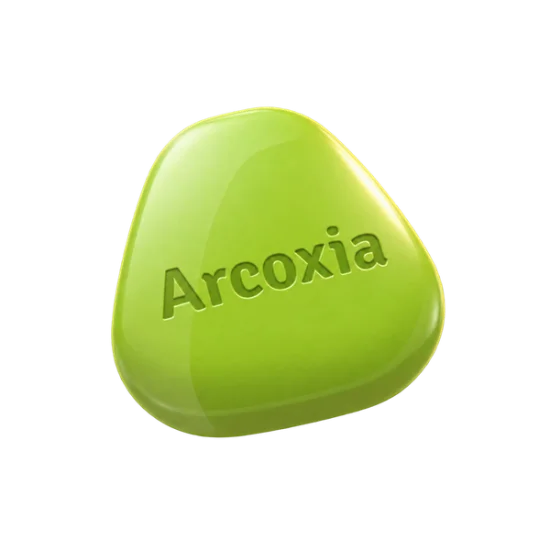
Arcoxia
Active ingredient: Etoricoxib

Arcoxia

Quality products
24/7 Support
Fast delivery
Delivery from 4 days
Select pack Package Per unit Price

Free delivery on orders from $ 376.00, free express delivery from $ 564.00

Secure Payments
Track your order
Best price guarantee

Etoricoxib, the active ingredient of Arcoxia, is a selective COX-2 inhibitor used to reduce pain and inflammation from arthritis, acute gout and related inflammatory conditions. Arcoxia is intended for adults when a prescriber has assessed the diagnosis, cardiovascular risk and other medicines.

Overview

Arcoxia contains etoricoxib, a selective COX-2 inhibitor in the NSAID category used for inflammatory pain and related conditions.

Formulation

Etoricoxib, the active ingredient of Arcoxia, is a selective COX-2 inhibitor used to reduce pain and inflammation from arthritis, acute gout and related inflammatory conditions. Arcoxia is intended for adults when a prescriber has assessed the diagnosis, cardiovascular risk and other medicines. By reducing prostaglandin production, it can ease pain, swelling and stiffness, although it does not repair damaged joints or remove the cause of gout. Symptom relief does not establish that the underlying condition has improved. Ongoing assessment remains necessary when symptoms persist or recur.

Active Ingredient and Pharmacological Class

Arcoxia contains etoricoxib. Etoricoxib belongs to the broader NSAID group, but its main action is selective inhibition of the cyclo-oxygenase-2 enzyme, known as COX-2.

COX-2 contributes to the production of prostaglandins involved in pain, warmth, swelling and inflammation. Blocking this pathway can reduce inflammatory symptoms while causing less inhibition of COX-1 than many traditional NSAIDs. COX-1 still supports normal stomach lining protection, platelet activity and kidney function, so COX-2 selectivity does not remove all NSAID-related risks. [1]

COX-2 Inhibition and Pain Relief

The practical effect is symptom control. A sore knee may become easier to move, morning stiffness may lessen, and the pain of an acute gout attack may become more manageable.

Pain relief can occur before the underlying condition improves. A person with rheumatoid arthritis may still have active joint inflammation despite feeling better, while someone with gout still needs appropriate long-term urate management when recurrent attacks occur.

A noticeable reduction in pain can tempt people to increase activity too quickly. Return to normal movement gradually, especially when joint damage, spinal inflammation or a recent injury is involved.

Therapeutic indications

Arcoxia is used for selected inflammatory and musculoskeletal conditions. The diagnosis matters because the same pain score can arise from arthritis, infection, trauma, nerve irritation or another condition requiring different treatment.

Arthritis-Related Pain and Stiffness

Arcoxia may be prescribed for osteoarthritis, rheumatoid arthritis and ankylosing spondylitis. Osteoarthritis usually causes activity-related joint pain and stiffness. Rheumatoid arthritis is an autoimmune disease that can cause persistent swelling, warmth and prolonged morning stiffness. Ankylosing spondylitis mainly affects the spine and sacroiliac joints, often causing inflammatory back pain and stiffness.

Etoricoxib may reduce symptoms in these conditions, but it does not cure autoimmune disease or reverse cartilage loss. Disease-modifying treatment remains important in rheumatoid arthritis, while ongoing spinal symptoms require assessment within the wider management plan.

Acute Gout and Inflammatory Spinal Pain

A short course of etoricoxib may be used for an acute gout attack. It can reduce the intense pain and inflammation caused by urate crystals in a joint. It does not lower urate stores or replace long-term urate-lowering treatment when that treatment is indicated.

A first gout-like attack needs medical assessment, especially when the joint is very hot or fever is present. Fever with a hot, swollen joint can indicate infection, which requires urgent treatment. Severe unexplained back pain, weakness or loss of bladder or bowel control also needs urgent assessment.

Short-Term Musculoskeletal and Dental Pain

Some prescribers use etoricoxib for selected short-term musculoskeletal or dental pain. This depends on the cause, the person’s health history and the expected duration of treatment. Dental pain still requires dental treatment when decay, infection, a cracked tooth or trauma is present.

Condition Treatment role Assessment point
Osteoarthritis or rheumatoid arthritis Reduces pain, swelling and stiffness Ongoing disease treatment may still be needed
Acute gout or ankylosing spondylitis Controls inflammatory pain for a selected period First attacks, fever or severe spinal symptoms need review
Musculoskeletal or dental pain May be considered for short-term relief The injury, infection or dental cause still requires attention

Dosage and administration

  • Dose: The amount in mg is decided individually by the prescriber according to the diagnosis, age, other medicines and health conditions.
  • Frequency: Take one prescribed dose once daily.
  • Timing: Take the tablet at the prescribed time, with or without food.
  • Duration: Use for the period prescribed; acute gout may require a short course, while longer treatment for arthritis requires regular review.
  • Route: Take the tablet by mouth with water.
  • Missed dose: Take it when remembered unless the next dose is due soon. Do not take two doses together or add an extra tablet.
  • Do not combine Arcoxia with another NSAID unless a prescriber specifically directs this.

Reasons not to use it

Arcoxia is not suitable for everyone. It may be unsuitable or require specialist assessment in people with:

  • uncontrolled high blood pressure;
  • previous heart attack, stroke or peripheral arterial disease;
  • heart failure or significant fluid retention;
  • active stomach or intestinal ulcer;
  • serious kidney or liver disease;
  • a previous serious reaction to aspirin, NSAIDs or etoricoxib;
  • pregnancy or possible pregnancy;
  • breastfeeding, unless the prescriber has assessed the situation;
  • current treatment with another NSAID.

When this is not for you

This medication is not for you if a prescriber has identified a serious cardiovascular contraindication, active ulcer, severe organ impairment or a previous severe NSAID reaction.

Possible side effects

The most relevant safety issues include blood-pressure elevation, fluid retention, kidney effects, gastrointestinal symptoms and cardiovascular events. Higher doses and longer treatment can increase risk.

Common Adverse Effects

Possible adverse effects include:

  • indigestion, stomach discomfort or nausea;
  • headache or dizziness;
  • ankle swelling;
  • increased blood pressure;
  • fluid retention;
  • fatigue or other nonspecific symptoms.

Ankle swelling or a rapid increase in body weight can reflect retained fluid rather than ordinary weight change. New swelling deserves attention, especially when it occurs with breathlessness, reduced exercise tolerance or a history of heart disease.

Dizziness can matter in practical situations. Driving, climbing ladders or operating machinery may be unsafe if the medicine makes concentration or balance worse.

Serious Warning Signs

Stop taking Arcoxia and seek urgent medical help for chest pain, breathing difficulty, facial or throat swelling, black stools, vomiting blood, sudden weakness, severe rash or a major reduction in urine output.

Sudden weakness, speech difficulty or facial drooping may indicate a stroke. Chest pressure, sweating or breathlessness may indicate a heart problem. These symptoms should not be dismissed as ordinary medicine discomfort.

How it affects the body

Etoricoxib selectively inhibits the cyclo-oxygenase-2 enzyme, reducing the production of prostaglandins involved in pain, warmth, swelling and inflammation. Its greater COX-2 selectivity causes less inhibition of COX-1 than many traditional NSAIDs, although COX-1 remains important for stomach lining protection, platelet activity and kidney function.

Common mistakes

Taking a second tablet because the first dose did not provide immediate relief can cause avoidable toxicity. Etoricoxib should not be repeated early or increased without prescribing instructions.

Other frequent mistakes include:

  • adding ibuprofen to Arcoxia for breakthrough pain;
  • assuming COX-2 selectivity eliminates ulcer or heart risk;
  • continuing a short-course dose for weeks without review;
  • ignoring ankle swelling or a rapid weight increase;
  • overlooking NSAIDs hidden in cold-and-flu remedies;
  • taking the tablet during dehydration from diarrhoea or vomiting;
  • stopping disease-specific arthritis or gout treatment because pain has improved.
Keep a simple medicine list with the active ingredient and dose of each product. This makes it easier to spot duplicate NSAIDs during a new prescription or an urgent appointment.

Comparison

Arcoxia and traditional NSAIDs both reduce prostaglandin-related pain and inflammation. Their enzyme selectivity differs, which changes the balance between gastrointestinal, cardiovascular and kidney effects.

Medicine or group Main pharmacology and practical trade-off
Arcoxia, containing etoricoxib Selective COX-2 inhibition; may be easier on some stomach symptoms, but can raise blood pressure and cardiovascular or kidney concerns
Ibuprofen or naproxen More extensive COX-1 and COX-2 inhibition; useful for many short-term pain conditions, with stomach, kidney and blood-pressure risks
Non-NSAID pain relief Works through different pathways; may be considered when NSAIDs are unsuitable, depending on the pain cause and other health factors

Selective and Non-Selective COX Inhibition

Traditional NSAIDs inhibit both COX-1 and COX-2 to varying degrees. Reduced COX-1 activity can contribute to indigestion, ulceration and gastrointestinal bleeding. Etoricoxib has greater COX-2 selectivity, yet it can still cause gastrointestinal problems and does not remove the risk of bleeding.

NSAIDs can also affect kidney blood flow, salt and water balance, blood pressure and cardiovascular function. The best option depends on the person’s history rather than the medicine’s selectivity alone.

Clinical Trade-Offs

A person with previous heart attack, stroke, uncontrolled hypertension, heart failure, kidney disease or fluid retention may face higher risk with etoricoxib. A person with ulcer history may also need a different strategy, gastroprotection or closer monitoring.

Etoricoxib should be selected after reviewing cardiovascular, gastrointestinal and renal factors. Medsafe product information describes these risks as dose- and duration-related considerations rather than problems limited to one particular patient group. [2]

What doctors say

Clinical prescribing focuses on diagnosis, cardiovascular risk, kidney function, blood pressure, gastrointestinal history and interactions. The intended approach is the lowest suitable dose for the shortest period that addresses the condition.

Prescriber Risk Assessment

A prescriber will usually consider:

  • whether the pain is inflammatory and whether an NSAID is appropriate;
  • whether blood pressure is controlled;
  • whether kidney or liver function creates additional risk;
  • whether anticoagulants, diuretics, lithium, methotrexate or other interacting medicines are present;
  • whether a shorter course or another analgesic would be more appropriate.

Pain relief does not prove that arthritis, gout or spinal inflammation is improving. It can make movement easier while the underlying disease remains active.

Comparison

Compare all medicines for Pain Relief

Common questions

What is the best time of day to take Arcoxia?

Take Arcoxia at the time prescribed, usually once daily, and keep the timing consistent. The New Zealand Medsafe product information (2023) supports administration with or without food, so the most practical time is one that fits your routine and does not lead to missed doses. Taking it after food may feel more comfortable for someone who develops stomach upset, although food does not remove NSAID-related risks. [3]

Which symptoms mean stopping Arcoxia and seeking urgent medical help?

Stop Arcoxia and seek urgent help for chest pain, breathing difficulty, facial or throat swelling, black stools, vomiting blood, sudden weakness or a major reduction in urine. These symptoms can indicate cardiovascular, allergic, bleeding or kidney complications. The EMA (2024) identifies serious cardiovascular, gastrointestinal, renal and hypersensitivity reactions as reasons for prompt assessment. [1]

Can Arcoxia tablets be split, crushed or chewed?

Swallow the tablet with water unless a prescriber or pharmacist has given different instructions for the specific tablet supplied. Medsafe's 2023 Consumer Medicine Information should be checked before altering the tablet, because crushing or chewing it can make swallowing harder and may affect how the dose is taken. A scored tablet is not automatically suitable for dose adjustment; splitting should only be used when the supplied product and prescription support it.

What should be checked before starting Arcoxia?

The prescriber should review blood pressure, heart and circulation history, kidney and liver function, ulcer or gastrointestinal bleeding history, pregnancy or breastfeeding status and previous reactions to aspirin or NSAIDs. The full medicine list should include warfarin or other anticoagulants, aspirin, ibuprofen, naproxen, diuretics, ACE inhibitors, angiotensin receptor blockers, lithium and methotrexate. The 2023 Medsafe Data Sheet also supports reviewing cardiovascular, gastrointestinal and renal risks before prolonged NSAID treatment.

Can Arcoxia cause ankle swelling?

Yes, ankle swelling can occur because etoricoxib may cause fluid retention. The New Zealand Medsafe safety information (2023) treats new oedema, rapid weight increase and breathlessness as symptoms requiring medical review, especially in people with hypertension or heart disease. Do not simply reduce salt or continue the medicine without assessment if swelling is sudden, marked or associated with breathing difficulty.

Do you offer anonymous delivery?

Your order will be securely packed and shipped within 24 hours. This is exactly what your package will look like (images of an actual item sent). It has the size and look of a regular private letter (24x11x0.7 cm) and its contents cannot be seen.

Sources

  1. European Medicines Agency (2024). Arcoxia — EPAR product information (SmPC).
  2. Medsafe (2023). Arcoxia Data Sheet.
  3. Medsafe (2023). Arcoxia Consumer Medicine Information.

Reviews: Arcoxia

3.5
Based on 3 reviews
John, 28 Nelson A short period
Verified
Rating: 4 out of 5

I took the prescribed course for a painful gout flare. The joint became easier to move after a short period, but I avoided running until the swelling had settled. I did not continue the tablets after the course ended.

4 Nov 2026
Steven, 46 Hamilton The first week
Verified
Rating: 3.5 out of 5

Arcoxia helped my knee stiffness during the first week. I also noticed ankle swelling and a higher blood-pressure reading, so the prescriber reviewed it and changed the plan. The pain relief had been useful, but the swelling was not something I wanted to ignore.

7 Oct 2026
Jonathan, 26 Whangārei Short-term
Verified
Rating: 3 out of 5

I used it for short-term back pain after a flare. It reduced the pain enough for ordinary movement, although I felt dizzy on the first day and took extra care when driving. The medicine did not resolve the cause of the back problem.

18 Oct 2026
Get our free app Shop faster and track your orders 3.4 · 155 reviews Install