The scratching settled enough for me to sleep. I felt heavy-headed the first two nights, so I moved the dose later in the evening after discussing it with my prescriber.
Adults and children prescribed Atarax for allergic itching, anxiety-related tension, or procedural sedation may benefit from its antihistamine and calming effects. Atarax tablets contain hydroxyzine, which blocks H1 histamine receptors and reduces central nervous system activity. Sedation can also occur, so concentration and driving require care.
Overview
Atarax contains hydroxyzine, a first-generation antihistamine with sedative, anxiolytic, and anticholinergic properties. Its main medical roles include relief of histamine-related itching, short-term reduction of anxiety symptoms, and sedation before some medical procedures. Hydroxyzine is also classified as a central nervous system depressant because it can reduce alertness and slow psychomotor responses.
Formulation
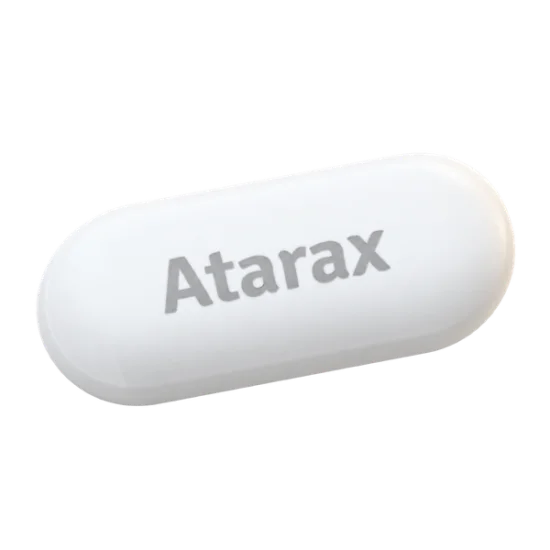
Atarax contains hydroxyzine, a first-generation antihistamine with sedative, anxiolytic, and anticholinergic properties. It blocks H1 histamine receptors and can reduce histamine-related itching, anxiety symptoms, and alertness. Atarax tablets are taken orally as prescribed, with dosing adjusted to the treatment purpose and individual factors.
Therapeutic indications
Atarax may reduce itching linked to hives, eczema, dermatitis, and other allergic skin reactions when histamine contributes to the symptoms. Hydroxyzine blocks H1 receptors, which can reduce the nerve signalling that creates the urge to scratch.
In clinical practice, dermatologists may use a sedating antihistamine when itching is severe at night or when repeated scratching is worsening sleep and skin irritation. The sedative effect can help a person sleep through periods of intense itching, although daytime treatment may be unsuitable for people who need full alertness.
Hydroxyzine does not remove every cause of eczema or dermatitis. Skin inflammation may still require emollients, topical anti-inflammatory treatment, trigger avoidance, or investigation of an underlying condition. Persistent rash, facial swelling, breathing difficulty, blistering, fever, or rapidly spreading skin changes require urgent medical assessment.
The itch-scratch cycle can become self-reinforcing. Scratching damages the skin barrier, increases irritation, and may cause bleeding or secondary infection. Reducing the urge to scratch can support skin recovery, but it does not replace treatment directed at the underlying dermatological diagnosis.
Hydroxyzine can be used as a non-benzodiazepine anxiolytic for short-term anxiety symptoms, tension, and agitation. It may be selected when a clinician wants a calming effect without prescribing a controlled benzodiazepine. The choice depends on the diagnosis, symptom duration, cardiac history, other medicines, and the need to remain alert.
Atarax may also be used as premedication before some procedures. Its sedative action can reduce nervousness and promote drowsiness. The timing must be set by the clinical team because the person may need supervision and must not drive after taking a sedating premedication.
Hydroxyzine is not a primary treatment for every anxiety disorder. Persistent generalized anxiety, panic symptoms, trauma-related anxiety, or depression may require psychotherapy, an antidepressant, or another longer-term plan. Sedation can make the medicine feel helpful while leaving the underlying disorder untreated.
Dosage and administration
The appropriate Atarax dose differs between strengths and between users, so there is no single amount that suits everyone. Prescribers adjust the regimen according to the reason for treatment, age, kidney and liver function, other medicines, and the person’s response.
Atarax is taken orally as tablets. The prescribed schedule may involve one dose in the evening, divided doses during the day, or a short course before a procedure. The treatment plan should be followed exactly, especially when the medicine is used for anxiety or sedation.
Key administration points include:
- Swallow the tablet with water.
- Take doses at the prescribed times.
- Avoid taking extra tablets because the first dose seems slow to work.
- If a dose is missed, take it when remembered unless the next scheduled dose is near.
- Do not double the next dose after a missed dose.
- Avoid alcohol because it can intensify sedation and impair coordination.
- Do not combine Atarax with other sedating medicines unless the prescriber has assessed the combination.
Atarax is not intended to replace long-term treatment for persistent anxiety without clinical review. Repeated daytime sedation can affect work, driving, exercise, and family responsibilities even when the person does not feel heavily drowsy.
Reasons not to use it
- A known allergy to hydroxyzine, cetirizine, aminophylline, or related ingredients.
- Prolonged QT interval or a previous serious cardiac rhythm disorder.
- Significant cardiovascular disease.
- Low potassium or magnesium that has not been corrected.
- Use of medicines known to prolong the QT interval.
- Severe liver or kidney impairment without an adjusted clinical plan.
- Pregnancy or breastfeeding unless the prescriber has assessed the specific circumstances.
- Conditions made worse by anticholinergic effects, such as urinary retention or narrow-angle glaucoma.
- Previous severe reactions to sedating antihistamines.
Medicines that can increase sedation include opioid pain medicines, sleep medicines, benzodiazepines, sedating antidepressants, antipsychotics, and other antihistamines. Combining these agents can slow breathing or markedly impair coordination.
Medicines that affect cardiac rhythm require special attention. The prescriber should review antiarrhythmics, some antibiotics, certain antidepressants, antipsychotics, and other QT-prolonging medicines before treatment.
When this is not for you
Atarax is not suitable for everyone. NOT for you if you have an unreviewed cardiac rhythm risk, a serious sedative interaction, or a condition that could worsen with anticholinergic effects.
Possible side effects
The most common practical problem with Atarax is drowsiness. Other possible effects include dizziness, headache, fatigue, dry mouth, blurred vision, constipation, nausea, and reduced concentration. Antihistamine sedation can last into the next morning, especially after an evening dose or when the person is sensitive to sedatives.
Hydroxyzine can impair coordination even when the person feels calm rather than sleepy. Alcohol, opioids, sleeping tablets, sedating antidepressants, antipsychotics, and other antihistamines may intensify this effect.
Cardiac effects require special care. Hydroxyzine can prolong the QT interval, an electrical measurement on an electrocardiogram. This can increase the risk of a dangerous rhythm disturbance in susceptible people. Risk is higher with known QT prolongation, certain heart conditions, low potassium or magnesium, a history of serious rhythm problems, or other QT-prolonging medicines [3].
Seek urgent medical care for fainting, a rapid or irregular heartbeat, severe breathing difficulty, facial swelling, or a widespread blistering rash.
One detail patients often miss is that next-day impairment can occur after a dose taken at night. Another is that older adults may experience confusion or unsteadiness rather than obvious sleepiness.
How it affects the body
Hydroxyzine blocks H1 histamine receptors. Histamine contributes to itching, redness, swelling, and other allergic responses. By reducing H1 receptor activity, hydroxyzine can lessen pruritus associated with hives and some inflammatory skin conditions.
The medicine also crosses into the brain. This explains the calming effect, drowsiness, slower reaction time, and occasional impairment of concentration.
Antihistaminic and anticholinergic properties
Hydroxyzine is a sedating antihistamine rather than a highly selective peripheral antihistamine. Its anticholinergic activity may contribute to dry mouth, blurred vision, constipation, urinary difficulty, and a faster heartbeat in susceptible people.
The antihistamine effect is most useful when itching has a histamine-mediated component. It may provide less benefit when itching results mainly from severe skin inflammation, infection, nerve irritation, or a systemic illness requiring different treatment.
Central sedative and anxiolytic activity
Hydroxyzine reduces activity in parts of the central nervous system associated with arousal and anxiety. Unlike benzodiazepines, it does not act through the benzodiazepine binding site of the GABA-A receptor. It is not classified as a benzodiazepine or opioid.
Its calming effect can appear sooner than the mood-related effects of antidepressants, which makes hydroxyzine suitable for some short-term situations. Sedation remains a limitation, especially when the person needs to drive, operate machinery, study, or make safety-critical decisions.
The body metabolises hydroxyzine in the liver. One important metabolite is cetirizine, a less-sedating antihistamine that is also used as an independent treatment for allergic symptoms. This metabolic relationship does not mean that a hydroxyzine tablet and a cetirizine tablet have the same clinical effect.
Hydroxyzine itself produces substantial central sedation in some people. Cetirizine generally has less central nervous system penetration, although drowsiness can still occur in some users. The conversion pathway contributes to antihistamine activity after hydroxyzine is taken, while the original medicine contributes to the sedative and anticholinergic profile.
The EMA has issued safety information concerning hydroxyzine-related cardiac risk and recommends careful assessment of risk factors before treatment [1].
The FDA’s hydroxyzine labelling describes pharmacological effects, warnings, and precautions relevant to safe use [2].

Common mistakes
Several predictable mistakes reduce the benefit of Atarax or increase risk:
- Taking an additional tablet because drowsiness has not appeared quickly.
- Drinking alcohol after taking the medicine.
- Combining it with another antihistamine for extra allergy relief.
- Driving after the first dose without knowing the individual response.
- Treating severe or persistent anxiety only with sedating doses.
- Assuming a liquid hydroxyzine concentration is equivalent to a tablet strength.
- Using leftover tablets for a new rash or a different anxiety episode.
- Stopping suddenly after a prolonged prescribed course without discussing the plan.
- Ignoring fainting, palpitations, severe confusion, or breathing difficulty.
- Crushing or chewing a tablet without confirming that the formulation can be altered.
One practical error is scheduling the first daytime dose immediately before work, childcare, or a long drive. A safer plan allows time to observe alertness in a controlled setting.
Comparison
Comparative pharmacotherapy with alternative sedatives and antihistamines
| Treatment category | Main pharmacological role | Sedation and dependency profile |
|---|---|---|
| Hydroxyzine | Itching, short-term anxiety, procedural sedation | Sedating; not a benzodiazepine, but impairment and interactions remain possible |
| Cetirizine | Allergic rhinitis and urticaria | Usually less sedating; does not provide the same anxiolytic role |
| Benzodiazepines | Acute anxiety, panic, seizures, procedural sedation | Sedation, tolerance, withdrawal, and dependence risks require careful prescribing |
| Tricyclic antidepressants | Depression, selected pain disorders, some sleep-related uses | Anticholinergic effects and sedation vary; not a direct substitute for hydroxyzine |
Cetirizine may suit an allergy patient who needs daytime alertness and does not require a calming effect. Hydroxyzine may be preferred when itching is disrupting sleep or when short-term anxiety and sedation are relevant.
Benzodiazepines can produce stronger acute anxiolysis, but their dependence and withdrawal risks make them unsuitable for many situations. Hydroxyzine may offer an alternative when a clinician wants to avoid those specific risks, although it can still cause marked drowsiness.
Tricyclic antidepressants act through several neurotransmitter systems and are used for different clinical purposes. Their anticholinergic and cardiac effects can overlap with some hydroxyzine risks, so combining sedating or anticholinergic medicines requires clinical review.
What doctors say
In clinical practice, doctors usually set expectations clearly: Atarax can reduce itching or anxiety-related arousal, but sedation is part of its pharmacology rather than an accidental effect. A response should be judged by symptom relief and daytime function, not by how strongly the person feels sedated.
For skin conditions, clinicians often assess whether itching is driven by histamine, inflammation, infection, or another cause. Hydroxyzine may be useful for histamine-related symptoms, yet persistent eczema or dermatitis often needs a broader skin-care and anti-inflammatory plan.
For anxiety, doctors generally use hydroxyzine as a short-term or situational option rather than assuming it will treat the underlying disorder. Ongoing anxiety, low mood, panic, or sleep disturbance warrants assessment of the diagnosis and longer-term treatment options.
The WHO’s guidance on rational medicine use supports selecting treatment according to indication, patient factors, interactions, and avoidable harm rather than relying on sedation as the measure of benefit [4]. NICE guidance also supports matching treatment to the patient’s symptoms, risks, and treatment goals.
Comparison
Allegra
Atarax Current
Claritin
Common questions
Can Atarax be taken with food or on an empty stomach?
Atarax tablets may generally be taken with food or without food, unless the prescriber has given different instructions. Taking it with a meal may be more comfortable for someone who develops stomach upset, while timing should also account for expected drowsiness. The EMA’s hydroxyzine information describes oral use and safety precautions, but food does not remove the risks from alcohol or sedative combinations. The cited EMA material is from 2015.
Do diet, exercise, or daily habits affect the result?
Alcohol can increase hydroxyzine-related drowsiness and impaired coordination, so it should be avoided during treatment. Regular sleep, moderate exercise, hydration, and treatment of the underlying skin condition may support recovery, but they do not cancel the medicine’s sedative effect. WHO principles on medicine safety support avoiding preventable interactions and matching treatment to the person’s daily activities. The cited WHO guidance is from 2002.
Is Atarax suitable for older adults?
Older adults can be more sensitive to sedation, confusion, falls, blurred vision, constipation, urinary retention, and cardiac effects. Kidney and liver function, other medicines, and a history of falls should be assessed before treatment. EMA safety information identifies age-related vulnerability as a reason for careful prescribing and avoidance of unnecessary exposure. The cited EMA safety material is from 2015.
How long does one dose of Atarax keep working?
The duration varies with the dose, formulation, metabolism, age, liver and kidney function, and other medicines. Drowsiness may continue into the following day even when itching or anxiety has improved. The FDA’s 2024 prescribing information describes hydroxyzine pharmacology and warns that the response can impair activities requiring mental alertness.
Do you offer anonymous delivery?
Your order will be securely packed and shipped within 24 hours. This is exactly what your package will look like (images of an actual item sent). It has the size and look of a regular private letter (24x11x0.7 cm) and its contents cannot be seen.
Sources
- European Medicines Agency (2015). Hydroxyzine-containing medicinal products — referral under Article 31 of Directive 2001/83/EC.
- U.S. Food and Drug Administration (2024). Hydroxyzine hydrochloride prescribing information.
- European Medicines Agency (2015). Summary of Product Characteristics (SmPC) — hydroxyzine.
- World Health Organization (2002). Promoting rational use of medicines: core components.
Reviews: Atarax
It calmed the physical tension and I felt less panicky. The downside was that I stayed sleepy for most of the next morning and could not work normally.
The tablets helped at night, but the rash itself still needed skin treatment. I initially expected the medicine to clear everything, which was not how it worked for me.
The first dose made concentration difficult, so I stopped taking it before driving. It was useful on a quiet evening, but not suitable before a busy workday.