Skip to content
Claritin
Active ingredient: Loratadine

Claritin

Quality products
24/7 Support
Fast delivery
Delivery from 4 days
Select pack Package Per unit Price

Free delivery on orders from $ 376.00, free express delivery from $ 564.00

Secure Payments
Track your order
Best price guarantee

Claritin tablets are taken by mouth, with or without food, for allergy symptoms such as sneezing, a runny nose, and itchy eyes.

Overview

Its active ingredient, loratadine, is a second-generation antihistamine designed to block peripheral histamine receptors while causing less drowsiness than older antihistamines.

Formulation

Claritin contains loratadine, a second-generation antihistamine supplied as an oral tablet. How much to use and how often to use it depend on the purpose of use and should be agreed with a doctor or pharmacist.

Therapeutic indications

Claritin is used to relieve symptoms of allergic rhinitis, including seasonal hay fever and allergic reactions triggered by indoor allergens. It can also reduce itching and wheals associated with chronic urticaria, commonly called hives.

Typical symptoms include:

  • Repeated sneezing
  • Clear, watery nasal discharge
  • Nasal itching or congestion
  • Itchy, red, or watery eyes
  • Itchy skin
  • Raised, itchy hives

Seasonal allergic rhinitis often follows exposure to grass, tree, or weed pollen. Perennial allergic rhinitis may occur throughout the year after contact with dust mites, mould, or animal dander. Claritin reduces the histamine component of these reactions, but it does not remove the allergen or cure the underlying tendency to develop allergy symptoms.

Trigger pattern Common symptoms How loratadine helps
Outdoor pollen Sneezing, runny nose, itchy eyes Reduces H1-mediated nasal and eye symptoms
Indoor allergens Nasal irritation, congestion, watery eyes Limits histamine-related symptoms
Chronic urticaria Itchy raised wheals Reduces histamine-driven itching and wheal formation

Claritin is not designed to treat breathing difficulty, throat swelling, fainting, or circulatory symptoms from a severe allergic reaction. Those symptoms require urgent emergency care rather than reliance on an oral antihistamine.

Dosage and administration

The amount to use and how often to use it depend on the purpose of use and should be agreed with a doctor or pharmacist.

Claritin tablet formulation and oral administration

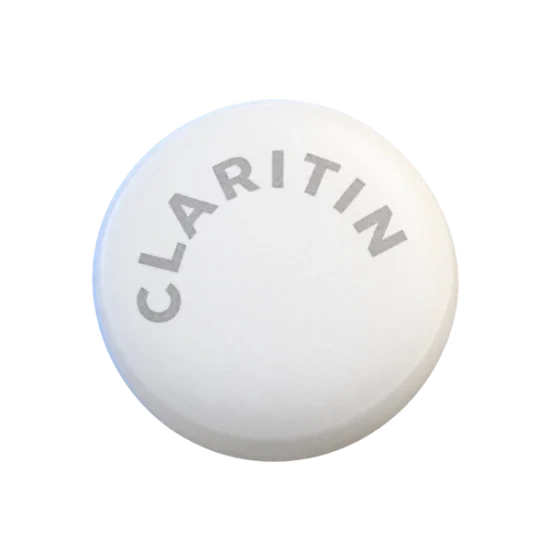
The product form covered here is an oral tablet. It is swallowed with water and can be taken with or without food. Tablets provide a convenient route for adults and eligible older children who can swallow solid medicine safely.

The tablet is intended for systemic action after absorption through the digestive tract. It is not a nasal spray, eye drop, topical cream, or oral liquid. Do not substitute a different formulation or strength when following an established dosing plan.

Taking the tablet with a full glass of water can make swallowing easier. Food is not required for loratadine, so the dose can fit around breakfast or another regular daily routine.

Standard dosage and administration

How much to use and how often to use it depend on the purpose of use and should be agreed with a doctor or pharmacist.

Key administration points include:

  • Swallow the tablet with water.
  • Take it by mouth.
  • Take it with or without food.
  • Use no more than the agreed daily amount.
  • Do not take extra tablets to compensate for symptoms that persist.
  • If a dose is missed, take it when remembered unless the next scheduled dose is close.
  • Do not double the next dose after a missed tablet.

Children require age and body-weight consideration. A child should not be given the adult tablet regimen unless a clinician has specifically selected an appropriate paediatric formulation and dose. A tablet may also be unsuitable for a child who cannot swallow it safely.

People with significant liver impairment may require a different dosing interval because loratadine is metabolised in the liver. Kidney disease, pregnancy, breastfeeding, and concurrent medicines also affect individual assessment. Medsafe materials for loratadine describe the need to consider patient factors when selecting the dose [2].

Common administration mistakes

Taking several antihistamines together can increase adverse effects without improving relief proportionately. Another frequent mistake is using loratadine for a blocked nose caused by infection and then repeatedly increasing the dose when the cause is not histamine-driven.

A missed dose does not normally require a replacement double dose. If symptoms remain severe despite the agreed regimen, the response should be reassessed rather than corrected with repeated unscheduled tablets.

Reasons not to use it

Claritin is not suitable for you if you have previously had a serious allergic reaction to loratadine or any ingredient in the tablet. An adult 10 mg tablet is also not appropriate for a child who falls below the relevant body-weight or age criteria for that formulation.

Extra caution is needed in these circumstances:

  • Severe liver impairment
  • Pregnancy or breastfeeding
  • History of significant medicine sensitivity
  • Use of sedatives, sleeping tablets, or alcohol
  • Planned allergy skin testing
  • Difficulty swallowing tablets
  • Multiple medicines processed through the liver

When this is not for you

Avoid taking more than the agreed amount. Excess loratadine may produce headache, drowsiness, rapid heartbeat, or other unwanted effects. If a large accidental amount has been taken, contact the National Poisons Centre in New Zealand or seek urgent medical assessment.

Possible side effects

Claritin is generally tolerated at the recommended dose. Reported adverse effects include headache, dry mouth, tiredness, and occasional drowsiness. Some people experience gastrointestinal discomfort or feel restless rather than sleepy.

Less common reactions can include palpitations, dizziness, nausea, or skin reactions. A severe allergic reaction to loratadine or an excipient is a reason to stop taking it and seek urgent care. Facial or tongue swelling, difficulty breathing, collapse, or rapidly spreading hives require emergency treatment.

People with severe hepatic impairment may need a modified regimen because reduced liver clearance can increase loratadine exposure. Alcohol may worsen tiredness or impaired concentration in sensitive individuals. Sedatives, sleep medicines, opioid analgesics, and other substances that affect the central nervous system can also make reduced alertness more noticeable.

Loratadine can interfere with some laboratory or allergy-testing interpretations. Tell the clinician about antihistamine use before planned allergy testing, because antihistamines can reduce the skin response used in some tests.

The EMA describes second-generation antihistamines as having improved central nervous system tolerability compared with older agents, while still recognising individual variation and dose-related risk [3].

How it affects the body

Loratadine is classified as a non-sedating or low-sedation antihistamine because it mainly blocks peripheral H1 histamine receptors involved in allergic symptoms.

Histamine is released when the immune system reacts to an allergen. It contributes to nasal swelling, watery discharge, sneezing, itchy eyes, skin itching, and hives. Loratadine reduces these effects by occupying H1 receptors, so histamine has less opportunity to trigger the symptoms.

Its limited penetration into the central nervous system helps explain why it usually causes less drowsiness than first-generation antihistamines. The FDA prescribing information describes loratadine as a long-acting antihistamine for allergic rhinitis and chronic urticaria [1].

Pharmacological classification of loratadine

Loratadine belongs to the piperidine group of second-generation antihistamines. Its clinical action is directed mainly at peripheral H1 receptors rather than the brain receptors associated with sedation.

Common mistakes

Several everyday errors reduce the benefit of loratadine:

  • Taking an additional tablet because symptoms have not disappeared within a short time
  • Combining it with another oral antihistamine without a treatment plan
  • Drinking alcohol before knowing whether the medicine causes tiredness
  • Giving an adult tablet to a child without checking age and body-weight suitability
  • Forgetting to mention severe liver disease
  • Continuing to self-treat facial swelling or breathing difficulty
  • Stopping prescribed allergy treatment while continuing heavy allergen exposure
  • Taking a tablet before allergy skin testing without informing the clinic

A tablet does not replace emergency treatment for anaphylaxis. Swelling of the throat, wheezing, faintness, or difficulty breathing needs urgent emergency care.

Comparison

Loratadine, cetirizine, levocetirizine, desloratadine, and fexofenadine all act mainly through histamine H1 receptor blockade, yet their metabolism, onset, duration, and sedation profiles differ.

Active ingredient Typical clinical distinction Sedation consideration
Loratadine Long-acting H1 antihistamine used once daily in common adult regimens Usually low, though drowsiness can occur
Cetirizine or levocetirizine Often valued for relatively rapid symptom relief Drowsiness is reported more often in some users
Fexofenadine or desloratadine Long-acting options with different metabolism and interaction profiles Generally low, with individual variation

No antihistamine is the best choice for every person. Loratadine may suit someone who wants once-daily relief with a low likelihood of sedation. Cetirizine may feel faster for some people but can cause more noticeable tiredness in susceptible users. Fexofenadine has a different pharmacokinetic profile and may be selected when sedation is a major concern.

The choice also depends on kidney or liver function, pregnancy, breastfeeding, age, other medicines, and whether symptoms are mainly nasal, ocular, or skin-related. Comparing active substances is more useful than comparing product names because the pharmacological profile determines the expected response.

Do not combine loratadine with another oral antihistamine unless a prescriber specifically gives that plan. Combining medicines from the same therapeutic group can increase headache, dry mouth, or drowsiness.

What doctors say

In clinical practice, doctors usually assess the symptom pattern before choosing an antihistamine. Sneezing, clear nasal discharge, nasal itching, itchy eyes, and hives fit histamine-mediated allergy more closely than fever, thick infected discharge, or isolated facial pain.

A physician will also ask about alertness. A person who drives early in the morning, works around machinery, or performs safety-critical duties may need to test loratadine’s effect before relying on it during work.

Patients often expect an antihistamine to remove every symptom immediately. Loratadine can reduce histamine-related symptoms, but severe nasal blockage may need a different treatment strategy, and persistent symptoms may indicate ongoing allergen exposure or another diagnosis. A practical treatment review should examine duration, trigger control, adherence, and concurrent medicines.

One useful distinction is between symptom control and disease modification. Claritin reduces the body’s response to histamine; it does not change pollen levels, remove dust mites, or permanently eliminate allergic sensitivity.

Comparison

Compare all medicines for Allergies

Common questions

Can Claritin affect driving, concentration, or work with machinery?

Loratadine is designed to cause less central sedation than older antihistamines, but drowsiness and reduced alertness can still occur in some people. The 2023 FDA label and 2024 Medsafe safety information support caution until an individual response is known, especially during the first doses. Alcohol and sedative medicines may increase impairment. This precaution matters most during the first few doses. Do not drive or operate machinery if Claritin makes you tired, dizzy, or less focused.

Which symptoms mean that Claritin should be stopped and medical help sought urgently?

Stop taking the medicine and seek urgent help for facial, tongue, or throat swelling, breathing difficulty, fainting, or rapidly worsening widespread hives. These symptoms may indicate a serious allergic reaction that needs emergency treatment rather than additional antihistamine tablets. Severe palpitations, collapse, or marked confusion also require urgent assessment. Medsafe patient-safety information supports prompt evaluation of severe or unexpected reactions [4].

Can the Claritin tablet be split, crushed, or chewed?

A standard immediate-release tablet may be easier to swallow when taken with water, but it should not be crushed or altered unless a pharmacist or prescriber confirms that the specific product permits it. Splitting can produce an uneven dose if the tablet is not designed to divide accurately. Chewing may leave an unpleasant taste and does not improve the medicine’s action. Product-specific tablet instructions should be confirmed before altering the dosage form. Medsafe product information from 2024 provides product-specific guidance.

How does loratadine differ from cetirizine, levocetirizine, or fexofenadine?

All four medicines block histamine H1 receptors, but they differ in chemical structure, metabolism, duration, and likelihood of causing tiredness. Loratadine is converted in the body to an active metabolite, while fexofenadine has a different elimination pathway and cetirizine may produce more noticeable sedation in some people. Clinical response is individual, so a medicine that causes no tiredness for one person may affect another. A 2025 review indexed in PubMed supports choosing between second-generation antihistamines according to symptom control, tolerability, and patient factors.

What happens when Claritin is stopped, and does it need tapering?

Loratadine does not normally require tapering because it is not an opioid, corticosteroid, antidepressant, or sedative medicine that commonly produces a withdrawal syndrome. Allergy symptoms may return when the antihistamine effect wears off because the underlying exposure or allergic tendency remains. Stopping after a short course usually means loss of symptom control rather than a withdrawal reaction. WHO educational material from 2024 describes antihistamines as symptom-directed treatment rather than disease-modifying therapy.

Which condition specifically rules out the standard Claritin tablet?

A previous serious allergic reaction to loratadine or an ingredient in the tablet rules out its use. Severe liver impairment does not always prohibit loratadine, but it can require a different regimen and medical supervision. An adult tablet is unsuitable for a child below the relevant age or weight threshold for that formulation. Medsafe product information from 2024 should guide the prescriber’s assessment when liver function or paediatric dosing is a concern.

Does Claritin cause drowsiness?

Claritin can cause drowsiness, although it is less likely to do so than many first-generation antihistamines. Headache, dry mouth, and tiredness are also possible. The 2023 FDA label notes that the risk may be greater when loratadine is combined with alcohol, sleeping tablets, sedatives, or other medicines that reduce alertness. A person should assess their own response before driving or performing hazardous work.

Do you offer anonymous delivery?

Your order will be securely packed and shipped within 24 hours. This is exactly what your package will look like (images of an actual item sent). It has the size and look of a regular private letter (24x11x0.7 cm) and its contents cannot be seen.

Sources

  1. U.S. Food and Drug Administration (2023). Claritin (loratadine) prescribing information and drug label.
  2. Medsafe, New Zealand Medicines and Medical Devices Safety Authority (2024). Loratadine: data sheet and consumer medicine information.
  3. European Medicines Agency (2019). Guideline on the clinical investigation of medicinal products for the treatment of allergic rhinoconjunctivitis.
  4. Medsafe, New Zealand Medicines and Medical Devices Safety Authority (2023). Adverse reactions and medicine safety information for consumers.

Reviews: Claritin

3.2
Based on 5 reviews
Susan, 65 Invercargill The spring pollen season
Verified
Rating: 3 out of 5

I used one 10 mg tablet once daily for the spring pollen season. My eyes watered less and I sneezed less during the day, but I still needed to keep the windows closed on high-pollen mornings. I did not feel sleepy.

7 Oct 2026
Alan, 37 Lower Hutt Several days
Verified
Rating: 3 out of 5

I used one 10 mg tablet once daily for several days, and it helped my runny nose within the first day. After several doses I noticed a dry mouth, especially when I had not been drinking enough water. It was manageable, but I preferred taking it after breakfast.

19 Oct 2026
Claire, 33 Oamaru Several days
Verified
Rating: 3.5 out of 5

I used one 10 mg tablet once daily for several days, which reduced the itching from my hives, although it did not stop every flare. I initially took an extra tablet when one dose seemed insufficient, then stopped after discussing the regimen with a pharmacist.

21 Oct 2026
Thomas S., 44 Nelson A period of heavy grass pollen
Verified
Rating: 3 out of 5

I used one 10 mg tablet once daily for a period of heavy grass pollen. My sneezing improved, but I felt slightly tired after the first dose, so I avoided driving until I knew how I reacted. The tiredness was less noticeable later.

29 Oct 2026
Jane, 49 Ashburton Several days
Verified
Rating: 3.5 out of 5

I used one 10 mg tablet once daily for several days, which helped my itchy eyes and clear nasal discharge, but congestion remained a problem. I eventually needed a review because the symptoms continued outside the usual allergy season.

5 Nov 2026
Get our free app Shop faster and track your orders 3.4 · 155 reviews Install