Skip to content
Celexa
Active ingredient: Citalopram

Celexa

Quality products
24/7 Support
Fast delivery
Delivery from 4 days
Select pack Package Per unit Price

Free delivery on orders from $ 376.00, free express delivery from $ 564.00

Secure Payments
Track your order
Best price guarantee

Citalopram, the active ingredient of Celexa, is a selective serotonin reuptake inhibitor (SSRI) antidepressant used mainly for depression. It is prescribed for adults whose symptoms have been assessed clinically, and it may also help selected anxiety-spectrum or panic symptoms. By increasing serotonin signalling between nerve cells, Celexa can support gradual improvements in mood and daily functioning.

Overview

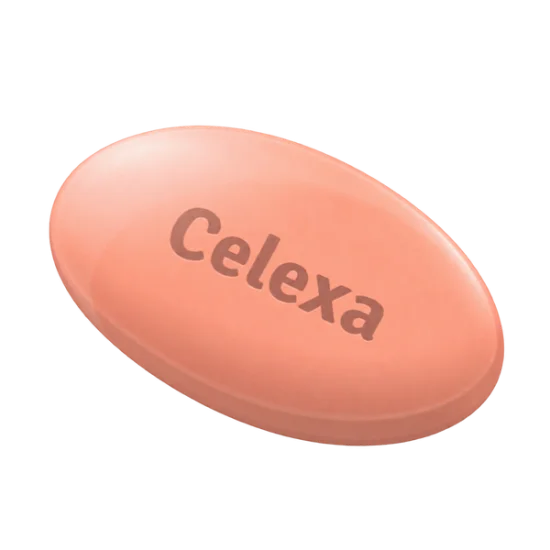
Celexa contains citalopram hydrobromide, also called Citalopram HBr. It belongs to the SSRI class of antidepressants.

Formulation

Celexa contains citalopram hydrobromide, also called Citalopram HBr. It belongs to the SSRI class of antidepressants. The tablets are used primarily in the treatment of depression, including persistent low mood, loss of interest, reduced motivation, sleep disturbance and changes in appetite when these symptoms form part of a depressive illness.

Active Ingredient and Medicine Class

Citalopram blocks the serotonin transporter, which normally removes serotonin from the space between nerve cells. This increases serotonin availability in relevant neural pathways. SSRIs do not act as general mood enhancers; they are prescribed for diagnosed or clinically assessed conditions in which their risk–benefit profile is appropriate.

A clinician considers the pattern and duration of symptoms, previous treatment, medical history, current medicines, alcohol or recreational substance use, bipolar symptoms and suicide risk before prescribing Celexa. The New Zealand product information and Medsafe safety guidance remain important references for treatment decisions.[1]

Tell the prescriber about previous antidepressants that caused sexual problems, severe agitation, unusual energy or reduced need for sleep. Those details can change the preferred treatment plan.

Approved and Common Clinical Use

Depression can affect mood, concentration, sleep, appetite, energy and the ability to manage ordinary responsibilities. Celexa may improve several of these symptoms, but response differs between patients. A medicine that helped one depressive episode may not be the best choice for another.

Citalopram is not an emergency treatment for sudden distress. Its clinical effect develops gradually, while urgent suicidal thoughts, severe agitation or rapidly worsening symptoms require prompt medical attention.

Therapeutic indications

The tablets are used primarily in the treatment of depression, including persistent low mood, loss of interest, reduced motivation, sleep disturbance and changes in appetite when these symptoms form part of a depressive illness.

Citalopram may be prescribed for selected anxiety-spectrum symptoms or panic attacks, depending on local approval, clinical judgement and patient history. Any benefit is preventive and gradual. Celexa does not stop an acute panic attack within minutes.

Dosage and administration

The regimen for the chosen strength is confirmed with a healthcare professional before starting. Celexa is taken by mouth, generally once daily, at a consistent time. The prescribed dose may be adjusted according to response, tolerability, age, liver function, other medicines and the clinical diagnosis.

Daily Administration Principles

  • Take the prescribed dose once daily, at the same time whenever practical.
  • Swallow the tablet with water.
  • Take it with food if nausea occurs, unless the prescriber gives different instructions.
  • Do not increase, reduce or divide doses without a medication review.
  • Do not double the next dose after forgetting one.
  • Treatment duration depends on response, relapse risk and the reason for prescribing.
  • Older adults and people with liver impairment may require a lower maximum dose or closer monitoring.
  • Local Medsafe product information and the prescriber’s directions take priority over general dosing descriptions.

Citalopram has a dose-related effect on the QT interval, an electrical measurement on an electrocardiogram. For that reason, higher doses are not automatically better, and some patients need a different medicine or cardiac monitoring.

Missed Doses and Discontinuation

If a dose is remembered fairly soon, the usual approach is to take it unless the next dose is close. If the next scheduled dose is near, skip the missed dose and resume the normal timetable. Taking two doses together can increase adverse effects and does not restore treatment progress safely.

Stopping suddenly may cause dizziness, nausea, irritability, vivid dreams, sleep disturbance, electric-shock sensations or flu-like feelings. A prescriber-led taper reduces the risk of discontinuation symptoms. The taper may be slower after long-term treatment or when symptoms return easily.

Keep a simple medication record with the time each dose was taken. This is useful when a forgotten dose is noticed later and prevents accidental double dosing.

Reasons not to use it

Celexa is not suitable for everyone. Treatment requires a careful clinical plan when the patient has heart disease, a history of irregular heartbeat, liver disease, kidney disease, glaucoma, a bleeding disorder, seizure history or bipolar disorder.

Celexa is not for you if you have a known serious allergy to citalopram, are taking an incompatible MAOI, or have a medical condition that makes the prescriber judge its cardiac or interaction risks unacceptable.

Pregnancy, breastfeeding, seizure history and suicidal thoughts also require specific discussion before treatment begins.

When this is not for you

Tell the prescriber about fainting, unexplained palpitations, congenital long-QT syndrome, previous rhythm problems or medicines that affect the QT interval. Glaucoma history also needs disclosure, especially if eye pain, halos around lights, sudden blurred vision, redness or severe headache occurs.

Liver disease can slow citalopram clearance and may require a lower dose or closer review. Bleeding disorders, anticoagulants, antiplatelet medicines and anti-inflammatory pain medicines should be discussed before treatment.

A history of bipolar disorder must be disclosed. Antidepressant treatment can trigger excessive energy, reduced need for sleep, racing thoughts, impulsive behaviour or an unusually elevated mood in susceptible patients.

Possible side effects

The most frequently discussed treatment effects include nausea, dry mouth, sweating, tremor, headache, sleep changes, tiredness and sexual side effects. Some people experience reduced libido, delayed orgasm or difficulty reaching orgasm. These effects may continue after mood has improved and deserve a direct conversation with the prescriber.

Common Treatment Effects

  • Nausea: smaller meals and taking the tablet with food may help.
  • Dry mouth: regular water intake and sugar-free gum can provide relief.
  • Sweating: breathable clothing and a review of other medicines may help.
  • Sleep changes: morning or evening dosing may be reviewed, but the timing should not be changed repeatedly without advice.
  • Headache: persistent or severe headache requires assessment.
  • Tremor or restlessness: report symptoms that interfere with work, sleep or driving.
  • Sexual effects: discuss them openly rather than stopping suddenly.
  • Fatigue or dizziness: avoid driving until the effect is understood.

A practical point is easy to miss: improved mood does not always remove sexual side effects. A treatment review can consider dose timing, dose adjustment or another clinically suitable option.

Serotonin Syndrome Recognition

Serotonin syndrome is a potentially life-threatening reaction caused by excessive serotonergic activity. Warning signs include agitation, confusion, fever, sweating, shivering, diarrhoea, muscle rigidity, marked tremor, rapid heartbeat and loss of coordination.

The risk rises after adding a serotonergic medicine, increasing a dose or combining medicines with overlapping effects. Urgent medical help is required, especially when symptoms develop quickly or several symptoms occur together. Do not wait for a routine appointment.

Allergic and Cardiac Warning Signs

Seek urgent medical help for swelling of the lips, tongue or throat, breathing difficulty, widespread blistering rash or faintness after taking citalopram. An allergic reaction is different from ordinary nausea or a mild headache.

Palpitations, fainting, seizure, severe dizziness or a new irregular heartbeat can signal a serious cardiac or neurological problem. Citalopram can also increase bleeding risk, especially when combined with anticoagulants, antiplatelet medicines or some anti-inflammatory pain medicines.

How it affects the body

Citalopram increases the amount of serotonin available for signalling between nerve cells. Serotonin is a neurotransmitter, meaning a chemical messenger used by the nervous system. It participates in circuits involved in mood, anxiety, sleep, appetite, pain processing and sexual function.

Serotonin Signalling and Mood Regulation

After serotonin is released, a transporter normally moves some of it back into the nerve cell. Citalopram inhibits this reuptake process. The biochemical effect begins before a patient necessarily feels better, because changes in brain signalling, sleep, motivation and emotional processing do not occur at the same speed.

Depression is not explained by a single serotonin level. Genetics, stress, inflammation, sleep, physical illness and psychological factors can all contribute. This is why treatment often combines medication review with psychological therapy, practical support and attention to sleep and alcohol use.

Common mistakes

Common mistakes can reduce benefit or create avoidable risk:

  • Stopping after a few days because early nausea or restlessness feels discouraging.
  • Doubling a dose after a missed tablet.
  • Sharing tablets with someone who has similar symptoms.
  • Failing to mention supplements, occasional medicines or recreational substances.
  • Expecting immediate relief during a panic attack.
  • Driving while dizzy, drowsy or mentally slowed.
  • Altering or splitting a tablet unless the product instructions and prescriber allow it.
  • Stopping abruptly because of sexual side effects instead of requesting a medication review.
  • Missing follow-up appointments after starting or changing treatment.
Keep occasional medicines on the same list as daily prescriptions. Tramadol, anti-inflammatory pain medicines, cold remedies and sleep products are easy to overlook during a routine medication review.

Comparison

Other antidepressants differ in mechanism, tolerability and monitoring needs. The choice depends on symptoms, previous response, medical conditions and interactions.

Medicine or class Clinical considerations and trade-offs
Escitalopram; sertraline Closely related or alternative SSRIs. They may suit depression or anxiety, but can still cause nausea, sleep changes and sexual side effects.
Venlafaxine; SNRIs Affect serotonin and noradrenaline. They may help some patients, while blood pressure, withdrawal symptoms and activation require attention.
Bupropion; mirtazapine Bupropion may cause fewer sexual effects for some patients but can worsen anxiety or be unsuitable with seizure risk. Mirtazapine may cause sedation and increased appetite.

Escitalopram is closely related to citalopram. Sertraline, venlafaxine, bupropion and mirtazapine have different pharmacological profiles. Switching requires a clinician-led plan because abrupt changes, overlap or unsuitable washout periods can cause withdrawal, toxicity or relapse.

What doctors say

A clinician considers the pattern and duration of symptoms, previous treatment, medical history, current medicines, alcohol or recreational substance use, bipolar symptoms and suicide risk before prescribing Celexa. The New Zealand product information and Medsafe safety guidance remain important references for treatment decisions.[1]

Reviews commonly assess mood, anxiety, sleep, work or study, relationships, side effects and suicidal thinking. Doctors often look for improved function rather than relying only on a numerical mood score.

Comparison

Compare all medicines for Antidepressants

Common questions

Can alcohol be used while taking Celexa?

Alcohol can increase dizziness, drowsiness, poor coordination and impaired judgement while using citalopram. It may also worsen sleep and depressive symptoms, even when no severe interaction occurs. The FDA's 2017 Celexa prescribing information advises caution with activities requiring alertness, and Medsafe's 2023 information supports reviewing alcohol use as part of treatment safety.[2]

What should I do after a missed Celexa dose?

Take the missed tablet when remembered unless the next scheduled dose is close. If the next dose is near, skip the forgotten dose and continue normally; do not take two doses together. The FDA's 2017 Celexa label describes this approach and warns against compensating with extra medication.

What if the expected result does not come?

Arrange a treatment review if depression, anxiety or daily functioning does not improve as expected. The review may consider adherence, interactions, dose, diagnosis, bipolar symptoms, alcohol, sleep and psychological treatment. The 2022 NICE guidance on depression recommends reviewing response and functioning rather than assuming that a single medicine will suit every patient.[3]

What happens when stopping Celexa, and does it need tapering?

Sudden stopping can cause dizziness, nausea, irritability, sleep disturbance, sensory changes and flu-like symptoms. A gradual taper is usually planned with the prescriber, with the speed adjusted to treatment duration, dose and previous withdrawal symptoms. The Royal College of Psychiatrists' 2020 guidance describes antidepressant withdrawal as a reason for planned reduction rather than abrupt cessation.[4]

Can I drive, concentrate or work with machinery while taking Celexa?

Citalopram may cause dizziness, tiredness, sleep disturbance or reduced concentration, especially after starting or changing the dose. Do not drive or operate machinery until you know how the medicine affects you. The FDA's 2017 Celexa label warns that alcohol, Xanax, clonidine and other sedating substances can increase impairment.

Is Celexa suitable for older adults?

Older adults may be more vulnerable to low sodium, falls, bleeding, heart-rhythm effects and medicine interactions. Liver function, kidney function, other prescriptions and cardiac history can influence the treatment plan. The American Geriatrics Society's 2023 Beers Criteria identifies citalopram as a medicine requiring caution in some older adults, with monitoring guided by the prescriber.[5]

Do you offer anonymous delivery?

Your order will be securely packed and shipped within 24 hours. This is exactly what your package will look like (images of an actual item sent). It has the size and look of a regular private letter (24x11x0.7 cm) and its contents cannot be seen.

Sources

  1. Medsafe (2023). Citalopram Data Sheet
  2. U.S. Food and Drug Administration (2017). Celexa (citalopram hydrobromide) Tablets, Prescribing Information
  3. National Institute for Health and Care Excellence (2022). Depression in adults: treatment and management (NG222)
  4. Royal College of Psychiatrists (2020). Stopping antidepressants
  5. American Geriatrics Society Beers Criteria Update Expert Panel (2023). American Geriatrics Society 2023 updated AGS Beers Criteria for potentially inappropriate medication use in older adults

Reviews: Celexa

3.5
Based on 3 reviews
Darren, 35 Gisborne Four weeks
Verified
Rating: 3 out of 5

The first week brought nausea and restless sleep. By the fourth week I was getting through work more reliably, although the improvement was gradual rather than dramatic.

3 Nov 2026
Colin M., 28 Palmerston North Several weeks
Verified
Rating: 3.5 out of 5

My mood became steadier after a while, but reduced libido was difficult. I stopped wanting to deal with it, then learned that stopping suddenly was a bad idea and arranged a review instead.

7 Oct 2026
Peter, 26 Christchurch Several weeks
Verified
Rating: 4 out of 5

I nearly took two tablets together. The medication instructions from my prescriber helped me resume the usual schedule, and I started using a reminder so it happened less often.

23 Oct 2026
Get our free app Shop faster and track your orders 3.4 · 155 reviews Install