Skip to content
Metoclopramide
Active ingredient: Metoclopramide

Metoclopramide

Quality products
24/7 Support
Fast delivery
Delivery from 4 days
Select pack Package Per unit Price

Free delivery on orders from $ 376.00, free express delivery from $ 564.00

Secure Payments
Track your order
Best price guarantee

This medicine is intended for adults with selected short-term nausea and vomiting problems. It helps relieve symptoms by blocking dopamine signals involved in vomiting and increasing movement through the upper digestive tract.

Overview

Metoclopramide, the active ingredient of Metoclopramide, is an anti-emetic and prokinetic tablet for nausea, vomiting, and delayed gastric emptying. The regimen for the chosen strength should be confirmed with a healthcare professional before starting.

Formulation

Metoclopramide contains metoclopramide as its active pharmaceutical ingredient. The supplied product is a tablet formulation intended for oral administration. The regimen for the chosen strength should be confirmed with a healthcare professional before starting.

Metoclopramide hydrochloride and metoclopramide HCl are salt-form terms used in pharmaceutical practice. The active moiety responsible for the clinical effect is metoclopramide. Different medicines may use tablets, orally disintegrating forms, or liquid preparations, but those presentations should not be treated as interchangeable without checking the prescribed strength and formulation.

Formulation Active medicine Main practical point
Metoclopramide tablet Metoclopramide Swallowed by mouth and used for a short treatment course
Liquid formulation Metoclopramide salt preparation Requires accurate volume measurement and strength confirmation
Orally disintegrating formulation Metoclopramide Designed to dissolve in the mouth rather than being swallowed as a conventional tablet

International naming context

For treatment decisions, the active ingredient, strength, dosage form, and release characteristics matter more than the commercial name. A rapidly dissolving tablet and a conventional tablet may have different administration instructions even when they contain the same active ingredient.

Therapeutic indications

The medicine is used in adults for selected short-term nausea and vomiting problems. It may also be prescribed when delayed gastric emptying contributes to symptoms, including some cases associated with diabetes. The exact reason for treatment matters because metoclopramide is intended for short courses rather than prolonged symptom control.

Dosage and administration

The regimen for the chosen strength should be confirmed with a healthcare professional before starting, because age, kidney function, treatment indication, and susceptibility to neurological reactions influence the safest schedule.

Metoclopramide is intended for a short treatment course. The appropriate duration and schedule depend on the reason for treatment and should be determined by a healthcare professional.

  • Take the tablet by mouth with water.
  • Use only the prescribed number of doses.
  • Do not continue treatment beyond the prescribed short course.
  • Avoid taking an extra dose to compensate for vomiting or a missed dose.
  • If a dose is missed, take it when remembered unless the next dose is due soon; skip it when the next dose is near.
  • Never double the next dose.

Metoclopramide can be taken with or without food. Taking it at the same times each day may make the schedule easier to follow. The FDA prescribing information places a clear limit on treatment duration because neurological risk rises with cumulative exposure.

Taking another tablet too soon after vomiting can create excessive exposure. Follow the prescribed schedule and ask a healthcare professional for advice if vomiting occurs after a dose.

The tablet should be swallowed whole unless a prescriber or pharmacist has specifically confirmed that it can be divided. Do not crush or chew it as a routine measure. Altering a tablet can make administration inaccurate and may be inappropriate for a particular formulation.

Reasons not to use it

  • gastrointestinal bleeding, perforation, or mechanical obstruction;
  • a known allergy to metoclopramide or one of its ingredients;
  • previous tardive dyskinesia or a serious movement reaction caused by metoclopramide;
  • epilepsy or a history of seizures, unless a specialist has specifically directed its use;
  • Parkinson’s disease, because dopamine blockade can worsen motor symptoms;
  • pheochromocytoma, because severe blood-pressure reactions may occur;
  • use of levodopa or dopamine agonists;
  • recent bowel or stomach surgery where increased motility could be harmful.

Important interactions include:

  • levodopa and dopamine agonists: opposing pharmacological effects;
  • sedatives, opioid analgesics, and other central nervous system depressants: increased drowsiness and impaired coordination;
  • antipsychotics: increased risk of extrapyramidal reactions;
  • medicines affecting gut motility: altered gastrointestinal effects;
  • serotonergic medicines: a possible increase in movement or serotonin-related toxicity in susceptible patients;
  • medicines absorbed mainly in the stomach: altered absorption because gastric emptying may accelerate.

The EMA product information identifies gastrointestinal obstruction, Parkinson’s disease, epilepsy, pheochromocytoma, and concurrent dopaminergic treatment among the reasons to avoid metoclopramide [2].

When this is not for you

Metoclopramide is not for you if you have bleeding, a hole, or a blockage in your stomach or bowel, or if you have had a serious movement reaction after taking it. Tell a healthcare professional if you have Parkinson’s disease, epilepsy, kidney problems, pheochromocytoma, or if you take levodopa or dopamine agonists. Pregnancy and breastfeeding require an individual assessment, and metoclopramide may pass into breast milk. Older adults may be more vulnerable to confusion, sedation, falls, and movement disorders.

Possible side effects

Metoclopramide may cause drowsiness, tiredness, headache, dizziness, restlessness, or diarrhoea. These effects can be more noticeable when treatment begins. Alcohol and other sedating medicines may worsen reduced alertness.

Neurological reactions are the main safety concern. Extrapyramidal symptoms result from dopamine blockade in movement-control pathways. They may include muscle spasms, upward eye deviation, facial movements, tongue protrusion, jaw tightness, tremor, rigidity, or abnormal neck posture.

Reaction Typical clinical pattern Action
Drowsiness or dizziness Reduced alertness, light-headedness, impaired concentration Avoid driving and assess whether symptoms persist
Acute dystonia or akathisia Sudden muscle spasm, unusual posture, inner agitation, pacing Stop further doses and seek urgent medical assessment
Tardive dyskinesia Repetitive movements of the mouth, tongue, face, or limbs after repeated exposure Stop exposure under medical direction; urgent clinical review is needed

Acute dystonic reactions can occur after a small number of doses, especially in younger people. Tardive dyskinesia is associated with longer exposure and may persist after treatment stops. The risk is one reason metoclopramide is not suitable for chronic self-treatment of indigestion or recurrent nausea.

Other serious reactions include neuroleptic malignant syndrome, seizures, severe allergic reactions, and a dangerous fall in consciousness. Fever with severe muscle stiffness, confusion, marked agitation, fainting, breathing difficulty, facial swelling, or uncontrolled movements requires urgent medical care. The Medsafe safety information for metoclopramide describes the need to limit duration and monitor neurological symptoms.

Do not drive, cycle in traffic, or operate machinery until you know whether the tablet makes you sleepy or dizzy. A small first dose can still impair reaction time.


How it affects the body

Metoclopramide blocks dopamine D2 receptors in areas of the brain involved in the vomiting reflex, including the chemoreceptor trigger zone. Dopamine is one of the chemical signals that can activate nausea and vomiting. By reducing this signal, metoclopramide lowers the likelihood of emesis.

The drug also has activity at serotonin receptors, especially at higher concentrations, which contributes to its anti-emetic profile. Its central nervous system action explains why drowsiness, restlessness, involuntary movements, or other neurological effects can occur.

Metoclopramide increases cholinergic activity in the upper gastrointestinal tract. This can improve stomach emptying and increase the tone of the lower oesophageal sphincter. It does not act as a general laxative and is not designed to treat obstruction caused by a physical blockage.

The prokinetic effect can be useful when nausea is linked to slow gastric transit. It can also alter how quickly other oral medicines move through the digestive system, which may affect the timing of their absorption. The pharmacological profile of metoclopramide is described in regulatory product information from the European Medicines Agency [1].

Common mistakes

Several avoidable errors reduce benefit or increase risk:

  • taking two tablets close together after vomiting;
  • continuing beyond five days because nausea returns;
  • using it for routine heartburn without a diagnosed motility problem;
  • combining it with alcohol, opioids, sedatives, or another anti-emetic without checking interactions;
  • ignoring pacing, jaw tightness, eye deviation, tremor, or unusual facial movements;
  • driving after the first dose despite drowsiness;
  • assuming a liquid formulation has the same concentration as a 10 mg tablet;
  • treating a missed dose as a reason to restart the entire course;
  • taking the medicine when severe abdominal pain or obstruction symptoms are present.

A tablet that reduces nausea does not prove that the underlying cause is harmless. Vomiting with blood, black stools, severe dehydration, sudden neurological symptoms, or intense abdominal pain warrants urgent evaluation.

Comparison

Treatment choice depends on why nausea occurs. Metoclopramide is useful when vomiting is linked to central emetic signalling or delayed upper gastrointestinal transit. It is less suitable when the main problem is motion sickness, severe bowel obstruction, or a neurological disorder that makes dopamine blockade hazardous.

Medicine category Main action Typical clinical role
Metoclopramide Dopamine D2 blockade with upper gastrointestinal prokinetic action Nausea, vomiting, and selected delayed gastric-emptying problems
Phenothiazine anti-emetics, such as prochlorperazine Dopamine receptor blockade Selected nausea, vomiting, and vertigo-related symptoms
Scopolamine and related travel-sickness medicines Antimuscarinic action Motion sickness and vestibular nausea

Prochlorperazine may be considered when a dopamine-mediated anti-emetic effect is wanted, but it can also cause sedation, low blood pressure, and movement disorders. Scopolamine works through muscarinic receptors and is more closely associated with motion sickness; it does not provide metoclopramide’s prokinetic action.

Certain medications for travel sickness are therefore not direct substitutes for metoclopramide. The cause of nausea, the presence of vomiting, bowel function, glaucoma risk, prostate symptoms, sedation risk, and current medicines all influence the choice. MAOIs are not a routine alternative to metoclopramide and require careful interaction assessment with medicines affecting the central nervous system.

What doctors say

In clinical practice, doctors usually treat metoclopramide as a short-course medicine with a defined stop point. The aim is to control an acute symptom while the cause is assessed, rather than to keep suppressing nausea indefinitely.

A clinician will usually ask whether vomiting is accompanied by severe abdominal pain, abdominal swelling, blood, fever, dehydration, confusion, or a change in bowel movements. Those features can signal a condition where stimulating gastrointestinal movement is unsafe or where hospital assessment is more appropriate.

Prescribers also review kidney function, seizure history, Parkinson’s disease, previous reactions to anti-emetics, and medicines that cause sedation. The 2025 clinical approach remains consistent with regulatory warnings from the EMA and FDA, and guidance from NICE and the MHRA also supports the lowest suitable exposure and shortest useful duration to reduce avoidable neurological risk.

One practical issue is symptom masking. Metoclopramide may reduce vomiting while the underlying illness continues. Persistent vomiting despite treatment, inability to keep fluids down, faintness, reduced urination, or worsening abdominal pain needs medical assessment rather than repeated doses.

Comparison

Metoclopramide Current

Active ingredient: Metoclopramide
10mg
From $ 165.44
pills
4.2 (3)

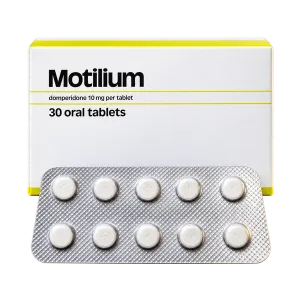
Motilium

Active ingredient: Domperidone
10mg
From $ 144.76
pills
4 (3)

Compare all medicines for Nausea and Vomiting

Common questions

What should I do after missing a dose of Metoclopramide?

Take the missed dose when remembered unless the next scheduled dose is due soon. If the next dose is close, skip the missed dose and return to the planned schedule; do not double the amount. Medsafe guidance available in 2025 supports maintaining the minimum interval between doses because closely spaced doses can increase neurological adverse effects. Vomiting after a dose does not automatically justify an additional tablet. Seek advice if the prescribed schedule is unclear.

Can the Metoclopramide tablet be split, crushed, or chewed?

The tablet should be swallowed with water unless a healthcare professional has confirmed that splitting is suitable for the specific tablet. Crushing or chewing can make the dose less predictable and may be unsuitable for formulations designed to dissolve in a particular way. The FDA prescribing information reviewed in 2025 advises patients to follow the formulation-specific administration instructions. A tablet that is difficult to swallow may require a clinically appropriate alternative formulation rather than improvised crushing.

What should I discuss with a doctor before starting Metoclopramide?

Discuss Parkinson’s disease, epilepsy, previous movement reactions, kidney disease, pregnancy, breastfeeding, gastrointestinal bleeding, bowel obstruction, and current medicines. Include opioid painkillers, sleeping medicines, antipsychotics, levodopa, dopamine agonists, and other anti-emetics. The EMA safety information in 2025 continued to emphasise neurological risk and short treatment duration. Mention any previous reaction involving muscle spasms, abnormal eye movements, severe restlessness, or involuntary facial movements.

Which symptoms mean I should stop Metoclopramide and seek urgent medical care?

Stop further doses and seek urgent assessment for uncontrolled movements, neck or jaw spasm, upward eye deviation, severe restlessness, confusion, fever with muscle stiffness, fainting, breathing difficulty, or facial swelling. These symptoms can indicate an acute neurological reaction, severe allergy, or another serious adverse event. Medsafe safety communications available in 2025 identify movement disorders as clinically significant reactions. Blood in vomit, black stools, severe abdominal pain, or a swollen abdomen also requires urgent evaluation because prokinetic treatment may be inappropriate.

Can I drink alcohol while using Metoclopramide?

Alcohol can add to metoclopramide-related drowsiness, dizziness, reduced coordination, and impaired judgement. Avoid alcohol during treatment, especially if you already feel sleepy or light-headed. The WHO medicine-safety principles used in 2025 support avoiding combinations that increase central nervous system depression. Opioids, sedatives, and sleep medicines can intensify the same problem even when no alcohol is consumed.

Can Metoclopramide be taken with food or on an empty stomach?

Metoclopramide tablets can generally be taken with or without food. The more important administration point is keeping the prescribed interval between doses and avoiding extra tablets after vomiting. The EMA product information current in 2025 permits administration without requiring a meal, while the clinical indication determines the treatment schedule. Taking the tablet with water may be more comfortable when nausea is present, but it should not be taken with alcohol.

Do you offer anonymous delivery?

Your order will be securely packed and shipped within 24 hours. This is exactly what your package will look like (images of an actual item sent). It has the size and look of a regular private letter (24x11x0.7 cm) and its contents cannot be seen.

Sources

  1. European Medicines Agency (2013). Metoclopramide-containing medicinal products: referral assessment and restrictions on use.
  2. European Medicines Agency (2013). Metoclopramide-containing medicinal products: product information.

Reviews: Metoclopramide

4.2
Based on 3 reviews
Neil, 39 Blenheim One day
Verified
Rating: 4.5 out of 5

The nausea settled within the evening and I managed small sips of water afterwards. I felt sleepy, so I did not drive. The main drawback was that I was unsure whether to repeat the dose after being sick, and the six-hour spacing was explained before I started.

8 Nov 2026
Simon D., 66 Gisborne Two days
Verified
Rating: 4 out of 5

It helped me keep fluids down during the first day. By the next morning I felt restless and noticed my hands were less steady, so I stopped and contacted the clinic. The symptoms improved after review, but I would not treat it as a medicine for repeated self-use.

15 Nov 2026
Oliver, 27 Whanganui One day
Verified
Rating: 4 out of 5

The tablet reduced the vomiting, although I felt tired and slightly dizzy for several hours. I had expected to take another one sooner after vomiting, but the prescriber stressed the minimum interval. The short treatment plan made sense because the nausea was improving.

17 Oct 2026
Get our free app Shop faster and track your orders 3.8 · 361 reviews Install