Skip to content
Minocycline
Active ingredient: Minocycline

Minocycline

Quality products
24/7 Support
Fast delivery
Delivery from 4 days
Select pack Package Per unit Price

Free delivery on orders from $ 376.00, free express delivery from $ 564.00

Secure Payments
Track your order
Best price guarantee

Minocycline is an oral tetracycline antibiotic used for moderate-to-severe acne vulgaris and selected bacterial infections. It reduces susceptible bacteria and inflammation by blocking bacterial protein synthesis. The capsules are taken only at the regimen confirmed with a healthcare professional before treatment begins.

Overview

Minocycline is the active ingredient and belongs to the tetracycline antibiotics, a group used in dermatology because of both antibacterial and anti-inflammatory activity. Oral minocycline is prescribed for moderate-to-severe acne vulgaris when inflammatory papules, pustules, or deeper lesions need more than topical treatment alone.

Formulation

Minocycline hydrochloride is the salt used in several pharmaceutical formulations. Extended-release formulations have been developed to maintain exposure with different dosing schedules, and some studies report fewer vestibular complaints with selected extended-release products. These findings do not mean that every minocycline capsule has an extended-release profile.

Oral Administration and Extended-Release Profiles

Extended-release minocycline can have different release characteristics from immediate-release capsules. A patient should not substitute one formulation for another based only on the strength printed in a prescription, because release pattern and dosing frequency may differ.

Topical Delivery Innovations

Topical gel and oral capsule therapy should not be treated as equivalent. A gel cannot be assumed to provide the same whole-body exposure, and an oral capsule cannot be assumed to cause only local skin effects.

Therapeutic indications

Minocycline belongs to the tetracycline antibiotics, a group used in dermatology because of both antibacterial and anti-inflammatory activity. Oral minocycline is prescribed for moderate-to-severe acne vulgaris when inflammatory papules, pustules, or deeper lesions need more than topical treatment alone. Its use should follow a clinician’s assessment of acne severity, previous treatment response, medical history, and antibiotic suitability. [1]

Dermatological Applications

Minocycline is most relevant when acne contains many inflamed lesions or affects areas where topical application alone has not produced adequate improvement. Nodules, tender lesions, and acne affecting the chest or back can be difficult to manage with creams alone because the affected area is extensive.

The benefit is gradual. Existing lesions do not disappear immediately after the first capsule, and new lesions may continue to appear during the early part of treatment while inflammation settles.

Dosage and administration

The capsules are taken only at the regimen confirmed with a healthcare professional before treatment begins.

Oral Administration and Extended-Release Profiles

Oral capsules are swallowed rather than opened, crushed, or mixed into food unless the specific product instructions expressly permit another method. The regimen for the chosen strength must be confirmed with a healthcare professional before starting.

Take each capsule with a full glass of water and remain upright for at least 30 minutes. This reduces the chance of irritation in the throat or oesophagus.
Do not open a capsule to apply its contents to acne. Oral capsule contents are formulated for swallowing, not for direct skin application.

Reasons not to use it

Minocycline is not suitable for everyone.

  • A previous serious allergic reaction to minocycline or another tetracycline antibiotic.
  • Significant liver disease or a history of medicine-related liver injury.
  • Pregnancy, especially later pregnancy, unless a specialist determines that treatment is justified.
  • Breastfeeding without a clear clinical decision about treatment and infant exposure.
  • A current or previous episode of intracranial hypertension linked to a tetracycline antibiotic.
  • Use of isotretinoin or another medicine that may increase the risk of intracranial hypertension, unless the prescriber has reviewed the combination.
  • A child younger than eight years, because tetracyclines can affect developing teeth and bone.

Minocycline can interact with antacids and mineral supplements containing aluminium, calcium, magnesium, iron, or zinc. These products can bind the antibiotic in the gastrointestinal tract and reduce absorption. Warfarin and other anticoagulants may require closer monitoring because tetracycline antibiotics can alter anticoagulant response.

When this is not for you

This medication is not for you if any of the following applies without a prescriber’s specific assessment:

  • You have had a serious allergic reaction to minocycline or another tetracycline antibiotic.
  • You have significant liver disease or previously experienced medicine-related liver injury.
  • You are pregnant or breastfeeding without a clear clinical decision about treatment and infant exposure.
  • You have had intracranial hypertension linked to a tetracycline antibiotic.
  • You take isotretinoin or another medicine that may increase the risk of intracranial hypertension.
  • You are younger than eight years old.

Possible side effects

The most frequent practical problems with oral minocycline include nausea, dizziness, headache, diarrhoea, and changes in skin or mucosal pigmentation. Vestibular effects such as spinning sensation, imbalance, or motion sensitivity can occur and may interfere with driving or cycling.

Photosensitivity is recognised with tetracycline antibiotics, although the degree varies between medicines and individuals. Use broad-spectrum sun protection, limit deliberate sun exposure, and cover treated skin during intense sunlight. Sunburn can occur more easily than expected, even when the weather feels mild.

Minocycline can also cause blue-grey or brown pigmentation involving the skin, scars, gums, teeth, or other tissues after prolonged exposure. This change may persist after stopping treatment. It is one reason clinicians review the need for continued systemic therapy rather than allowing repeated courses to continue without reassessment.

Common Systemic Adverse Events

Dizziness can appear early and may be worse when standing, turning the head, or travelling in a vehicle. Do not drive, operate machinery, or cycle on public roads until you know how the capsule affects balance and alertness.

Taking minocycline with a full glass of water can reduce upper gastrointestinal discomfort. Antacids and supplements containing iron, calcium, magnesium, aluminium, or zinc can reduce absorption when taken too close to a tetracycline antibiotic. A pharmacist or prescriber should provide the separation interval for the specific regimen.

One practical detail is easy to miss: dizziness may be mistaken for dehydration or low blood pressure. If it begins soon after treatment and returns after each dose, record the timing and report the pattern rather than simply pushing through it.

Rare and Serious Risks

Hepatotoxicity, meaning liver injury, has been reported with minocycline. Possible warning signs include yellowing of the skin or eyes, dark urine, pale stools, marked itching, persistent vomiting, or unusual pain beneath the right ribs. These symptoms require prompt medical assessment.

Pseudotumor cerebri, also called idiopathic intracranial hypertension, is rare but serious. Persistent headache, blurred vision, double vision, or brief episodes of visual obscuration require urgent medical attention because raised pressure around the brain can threaten sight. Tetracycline antibiotics are associated with this warning. [1]

Severe rash, facial swelling, breathing difficulty, widespread blistering, fever with rash, or painful peeling skin may indicate a serious hypersensitivity or skin reaction. Stop taking the medicine and seek urgent care if these symptoms occur.

Keep a simple record of headaches, visual symptoms, balance problems, skin pigmentation, and the date each symptom began. This gives the prescriber useful information during a safety review.

How it affects the body

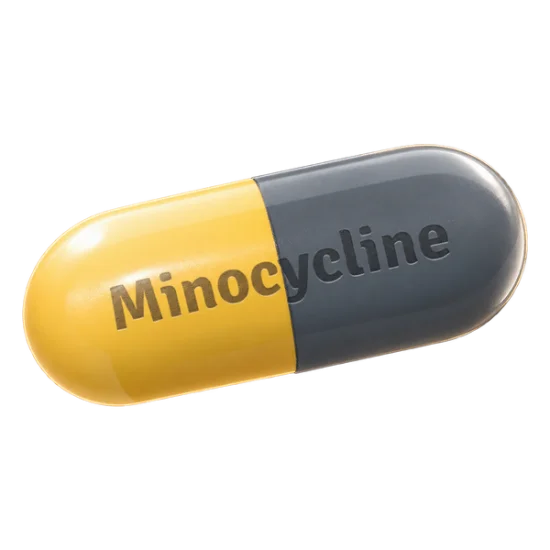
Minocycline enters susceptible bacterial cells and binds to the 30S ribosomal subunit. Ribosomes are the structures bacteria use to assemble proteins. By interfering with transfer RNA attachment, minocycline inhibits bacterial protein synthesis and slows bacterial growth. This is described as a bacteriostatic action rather than direct bacterial destruction. [2] Its clinical effect depends on the susceptibility of the target organism.

In acne, reducing susceptible Propionibacterium acnes contributes to lower stimulation of inflammatory pathways within blocked follicles. Minocycline also has anti-inflammatory effects that may reduce inflammatory signalling, although its clinical value still depends on correct patient selection and adherence.

Inhibition of Bacterial Protein Synthesis

Human cells and bacteria do not use ribosomes in exactly the same way. Minocycline exploits this difference by affecting bacterial protein production at concentrations used therapeutically. The result is reduced multiplication of susceptible organisms.

Antibiotic activity is not universal. Resistance can reduce response, and an antibiotic should not be used for viral infections or as a general treatment for every type of acne lesion. The approach also explains why prolonged antibiotic monotherapy is discouraged: it can select resistant bacteria and may provide less durable control.

Targeting Propionibacterium acnes

Propionibacterium acnes contributes to the pathogenesis of acne vulgaris through its interaction with the follicular environment and immune system. Current scientific terminology commonly uses Cutibacterium acnes, but both names refer to the organism associated with acne inflammation.

Minocycline may reduce the bacterial contribution to follicular inflammation, while topical retinoids help prevent blocked follicles and benzoyl peroxide provides a separate antimicrobial action. Combining mechanisms can be useful, yet the exact regimen should be selected around the patient’s skin type, acne pattern, irritation risk, and previous treatment history.

Common mistakes

Several avoidable errors can reduce benefit or increase risk:

  • Taking the capsule immediately before lying down.
  • Swallowing it with only a small sip of water.
  • Taking it at the same time as iron, calcium, magnesium, zinc, or an aluminium-containing antacid.
  • Driving after the first dose despite dizziness or impaired balance.
  • Stopping topical acne maintenance as soon as oral treatment begins.
  • Continuing treatment after severe headache, visual changes, jaundice, or a widespread rash.
  • Using leftover antibiotics for a new flare without reassessment.
  • Expecting every lesion to improve within a few days.
  • Spending extended time in direct sunlight without protection.
  • Treating a pigmentation change as harmless without telling the prescriber.

Do not double the next dose after a missed dose unless the prescriber has given that specific instruction. Take the missed dose according to the regimen provided, taking account of how close it is to the next scheduled dose.

Separate minocycline from mineral supplements and antacids according to the interval supplied for your regimen. “Healthy” supplements can still interfere with antibiotic absorption.

Comparison

Minocycline is one option within acne pharmacotherapy. The choice depends on the pattern of lesions, scarring risk, pregnancy status, previous antibiotic exposure, and tolerance of systemic treatment.

Treatment category Main action and usual route
Minocycline Tetracycline antibiotic; oral capsules that reduce susceptible bacteria and inflammation
Doxycycline Tetracycline antibiotic; oral treatment with antibacterial and anti-inflammatory activity
Adapalene or benzoyl peroxide Topical retinoid or antimicrobial; applied directly to acne-prone skin

Comparison with Other Systemic Tetracyclines

Doxycycline and minocycline are both tetracycline antibiotics used in acne. Their adverse-effect profiles differ. Minocycline is more associated with vestibular symptoms and pigmentation concerns, while doxycycline is often associated with gastrointestinal irritation and photosensitivity. The choice is clinical rather than a simple ranking of one medicine above the other.

Tetracycline antibiotics should be used for a planned course and reviewed when improvement is established. Repeated antibiotic exposure can promote resistance, and antibiotic treatment alone does not address every process involved in acne formation.

Integration with Topical Retinoids and Antimicrobials

Adapalene belongs to the retinoids and helps normalise follicular cell turnover. Benzoyl peroxide has antimicrobial activity and can be paired with an antibiotic strategy to reduce bacterial resistance pressure. Clindamycin phosphate is another topical antimicrobial, although topical antibiotic monotherapy is generally a poor long-term approach.

A common clinical principle is to use systemic antibiotic treatment with a non-antibiotic topical foundation, such as a retinoid or benzoyl peroxide, when tolerated. NICE acne guidance supports this approach. The combination can control current inflammatory lesions while helping prevent new follicular blockage.

What doctors say

In routine dermatology, clinicians usually assess the number and type of inflammatory lesions, scarring risk, body areas affected, and previous treatments before selecting oral minocycline. The aim is controlled improvement over a defined course, not indefinite antibiotic use.

A prescriber will also consider whether the acne is mainly comedonal or inflammatory. Minocycline is more relevant to inflammatory disease; it does not replace a retinoid-based approach for blocked pores and comedones.

Medical practice also places weight on early warning symptoms. A new persistent headache with visual disturbance is not treated as an ordinary acne-treatment nuisance. It needs urgent assessment because pseudotumor cerebri can threaten vision. Medsafe and the FDA both describe serious neurological and hypersensitivity warnings within minocycline safety information. [3]

Comparison

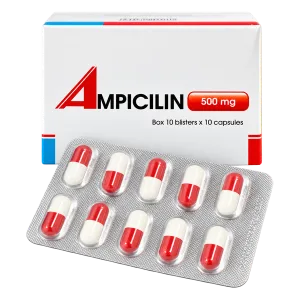
Ampicillin

Active ingredient: Ampicillin
250mg 500mg
From $ 150.40
pills
4.6 (4)

Chloramphenicol

Active ingredient: Chloramphenicol
500mg
From $ 362.84
pills
3.8 (4)

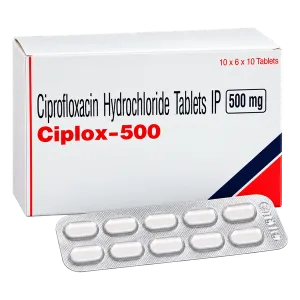
Ciplox

Active ingredient: Ciprofloxacin
500mg 250mg
From $ 150.40
pills
3.9 (5)

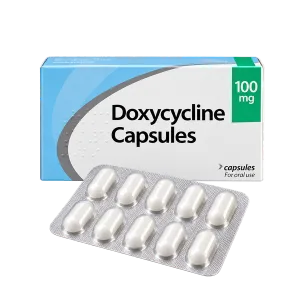
Doxycycline

Active ingredient: Doxycycline
100mg 200mg
From $ 144.76
pills
3.6 (4)

Compare all medicines for Antibiotics

Common questions

What should be checked or discussed with a doctor before starting Minocycline?

A prescriber should review allergy history, liver disease, pregnancy or breastfeeding, previous intracranial hypertension, and all current medicines. Antacids and mineral supplements containing iron, calcium, magnesium, aluminium, or zinc need special attention because they can reduce absorption. The FDA prescribing information (2010) also highlights interactions and serious adverse reactions requiring clinical review.

Which symptoms mean stopping Minocycline and seeking urgent medical care?

Urgent symptoms include severe or persistent headache with blurred or double vision, facial swelling, breathing difficulty, widespread blistering rash, yellow skin or eyes, dark urine, or severe weakness. These may signal intracranial hypertension, a serious allergic reaction, severe skin reaction, or liver injury. Medsafe safety information (2021) supports prompt evaluation of these warning patterns rather than continuing the next dose while waiting for them to pass.

What happens when Minocycline is stopped, and does it need tapering?

Minocycline is an antibiotic and is not generally tapered in the way some medicines affecting the nervous system are tapered. Stopping early can leave acne inflammation insufficiently treated and may contribute to an incomplete course, while continuing unnecessarily increases exposure to adverse effects and resistance pressure. The American Academy of Dermatology guidance (2024) supports planned antibiotic use with topical maintenance rather than repeated or indefinite systemic treatment. [4]

How long does one Minocycline dose keep working?

The duration of antibacterial exposure depends on the strength and release formulation prescribed. Immediate-release capsules and extended-release products are not interchangeable, so dosing frequency must come from the confirmed regimen rather than from a general internet schedule. Pharmacokinetic information in the FDA label (2018) describes prolonged systemic exposure, yet the clinical effect on acne depends on regular treatment over time, not on a single capsule.

Can Minocycline be used by people under 18?

Minocycline may be prescribed to adolescents in selected circumstances, but age, dental development, body weight, acne severity, and formulation all affect the decision. Tetracyclines are generally avoided in children younger than eight because of effects on developing teeth and bone. The American Academy of Dermatology acne guideline (2024) supports age-appropriate treatment selection and clinician supervision for systemic antibiotics.

Do you offer anonymous delivery?

Your order will be securely packed and shipped within 24 hours. This is exactly what your package will look like (images of an actual item sent). It has the size and look of a regular private letter (24x11x0.7 cm) and its contents cannot be seen.

Sources

  1. U.S. Food and Drug Administration (2010). MINOCIN (minocycline hydrochloride) Capsules — Prescribing Information.
  2. U.S. Food and Drug Administration (2018). Solodyn (minocycline hydrochloride) Extended-Release Tablets — Prescribing Information.
  3. Medsafe (2021). Minocycline — New Zealand Data Sheet and Consumer Medicine Information.
  4. American Academy of Dermatology (2024). Guidelines of Care for the Management of Acne Vulgaris.

Reviews: Minocycline

3.2
Based on 3 reviews
Peter, 51 Hastings Several weeks
Verified
Rating: 3.5 out of 5

taking the prescribed dose for several weeks, reported that inflammatory breakouts on his back became less painful. He still needed topical treatment for smaller spots and noticed dizziness during the first few doses, so he avoided driving until it settled.

8 Nov 2026
Victoria, 31 Whangārei Several weeks
Verified
Rating: 3.5 out of 5

taking the prescribed dose for several weeks, described gradual improvement rather than a sudden change. She found capsules easier than applying treatment over her shoulders, but nausea was uncomfortable when she took a dose without enough water.

15 Nov 2026
Daniel, 46 Porirua Several days
Verified
Rating: 2.5 out of 5

after taking the prescribed dose for several days, stopped treatment after developing a persistent headache with blurred vision and sought urgent medical advice. His experience reinforced the need to treat visual symptoms as a medical warning rather than an ordinary acne side effect.

19 Oct 2026
Get our free app Shop faster and track your orders 3.8 · 361 reviews Install