Skip to content
Modvigil
Active ingredient: Modafinil

Modvigil

Quality products
24/7 Support
Fast delivery
Delivery from 4 days
Select pack Package Per unit Price

Free delivery on orders from $ 376.00, free express delivery from $ 564.00

Secure Payments
Track your order
Best price guarantee

Modafinil, the active ingredient of Modvigil, is a wakefulness-promoting agent for adults with excessive daytime sleepiness. It is used in narcolepsy, obstructive sleep apnoea and shift-work sleep disorder. Modafinil supports alertness without the same pharmacological profile as amphetamine-based stimulants.

Overview

Modvigil contains modafinil, a wakefulness-promoting medicine supplied as tablets. Modafinil acts mainly within brain systems involved in alertness, attention and sleep–wake regulation. Its precise mechanism is complex, with effects involving dopamine transport, noradrenaline, orexin, histamine and glutamate pathways, alongside reduced inhibitory signalling in some brain regions [1].

Formulation

Modvigil contains modafinil, a wakefulness-promoting medicine supplied as tablets. Modafinil acts mainly within brain systems involved in alertness, attention and sleep–wake regulation. Its precise mechanism is complex, with effects involving dopamine transport, noradrenaline, orexin, histamine and glutamate pathways, alongside reduced inhibitory signalling in some brain regions [1].

Modafinil is prescribed for excessive daytime sleepiness associated with:

  • Narcolepsy, including narcolepsy with or without cataplexy
  • Obstructive sleep apnoea when sleepiness persists despite appropriate management of the airway disorder
  • Shift-work sleep disorder involving clinically significant sleepiness during work periods

The medicine treats wakefulness symptoms. It does not remove the underlying cause of narcolepsy, airway obstruction or disrupted circadian rhythm.

Modafinil is not pharmacologically identical to amphetamine or methylphenidate. It generally produces less widespread sympathomimetic stimulation, although insomnia, anxiety, palpitations and increased blood pressure can still occur.

Modafinil can improve alertness without correcting sleep debt. A short night of sleep can still impair judgement, reaction time and driving ability even when you feel more awake.

Therapeutic indications

Modafinil is prescribed for excessive daytime sleepiness associated with:

  • Narcolepsy, including narcolepsy with or without cataplexy
  • Obstructive sleep apnoea when sleepiness persists despite appropriate management of the airway disorder
  • Shift-work sleep disorder involving clinically significant sleepiness during work periods

The European Medicines Agency describes modafinil as a treatment for sleepiness related to narcolepsy, obstructive sleep apnoea and shift-work sleep disorder. The medicine is intended for diagnosed sleep disorders rather than routine tiredness, long working hours or occasional overnight study . NICE guidance also addresses assessment of excessive daytime sleepiness in sleep disorders.

Dosage and administration

The amount taken at each intake is selected individually rather than being one fixed amount for every person. The regimen depends on the sleep disorder, work schedule, response, other medicines and factors such as liver function.

Key administration principles include:

  • Take Modvigil by mouth as prescribed.
  • For narcolepsy or persistent sleepiness associated with obstructive sleep apnoea, dosing is generally scheduled in the morning.
  • For shift-work sleep disorder, the timing is linked to the planned work period and is usually taken before that period begins.
  • Avoid taking it late in the day unless the prescriber has specifically arranged that schedule.
  • Swallow the tablet with water.
  • Do not take an additional tablet to compensate for a missed dose.
  • If a dose is remembered late and taking it could disrupt sleep, skip it and resume the next scheduled intake.
  • Do not change the daily amount because alertness feels weaker or stronger on a particular day.

The approved product information describes morning administration for many patients and timing before a night shift for shift-work sleep disorder [2]. Modafinil should be used as part of a diagnosed sleep-disorder treatment plan, not as a substitute for regular sleep.

A late dose is a common reason for a poor night’s sleep. If the prescribed schedule has been missed, avoid improvising a second dose or taking it close to bedtime.

Monitoring during treatment

A prescriber may review:

  • Daytime sleepiness and unplanned sleep episodes
  • Night-time sleep quality
  • Blood pressure and pulse
  • Anxiety, agitation or mood changes
  • Headache, nausea or appetite changes
  • Other medicines, including hormonal contraception
  • Symptoms suggesting a skin reaction

Medsafe classifies modafinil as a prescription medicine in New Zealand. The need for prescription oversight reflects its effects on the central nervous system, its interaction profile and the need to confirm the cause of excessive sleepiness.

Reasons not to use it

Modvigil is not suitable for everyone.

  • Previous serious hypersensitivity to modafinil or related medicines
  • A history of serious modafinil-associated skin reaction
  • Uncontrolled high blood pressure
  • Significant cardiovascular disease
  • Current mania, psychosis or severe untreated anxiety
  • Certain liver disorders, where dose adjustment or an alternative may be needed
  • Pregnancy, unless a specialist has determined that treatment is justified
  • Breastfeeding, because modafinil exposure through breast milk and its effects on an infant require clinical assessment

Important medicine interactions

Modafinil can alter the effects of other medicines by inducing or inhibiting hepatic enzymes. Clinically relevant interactions include:

  • Combined hormonal contraceptives, which may become less reliable
  • Warfarin, with possible changes in anticoagulant effect and a need for INR monitoring
  • Some antiseizure medicines
  • Certain antidepressants and antipsychotics
  • Ciclosporin and other medicines with a narrow therapeutic range
  • Strong enzyme inducers or inhibitors that may change modafinil exposure

The hormonal contraception interaction is clinically significant. People using oral contraceptive pills, implants, patches, rings or other hormone-based methods need a contraception plan that remains reliable during modafinil treatment and after the final dose.

Alcohol can worsen impaired judgement, dizziness or sleep disruption. Combining alcohol with a wakefulness-promoting medicine may also encourage a person to underestimate fatigue.

When this is not for you

NOT for you if you have had a serious modafinil-related skin reaction, uncontrolled hypertension, significant cardiovascular disease, mania or psychosis. It should be avoided or carefully assessed in people with liver disorders, during pregnancy or breastfeeding, and if you take medicines such as hormonal contraceptives, warfarin, antiseizure medicines, certain antidepressants or antipsychotics.

Possible side effects

Common adverse effects of modafinil include headache, nausea, nervousness, anxiety, insomnia, dizziness, dry mouth and reduced appetite. Some people experience these effects early in treatment and find that they lessen after the body adjusts. Persistent or worsening symptoms can require a change in timing, dose or treatment plan.

The most practical tolerability problems are often related to sleep and timing:

  • A morning dose may be easier to tolerate than a late dose.
  • Caffeine can intensify restlessness, tremor, palpitations or difficulty sleeping.
  • Taking the tablet after a small meal may help some people with nausea.
  • Headache accompanied by visual symptoms, severe blood pressure elevation or neurological symptoms needs prompt assessment.
  • Appetite reduction can be easy to overlook during long shifts, so regular meals and fluids matter.

Clinical product information identifies headache, nausea and insomnia among the adverse effects reported with modafinil [3]. The risk profile varies with the prescribed amount, individual sensitivity, other medicines and the presence of anxiety or cardiovascular disease.

Serious skin and allergic reactions

Stop using the medicine and obtain urgent medical assessment if a rash develops, especially when it spreads quickly or occurs with:

  • Blistering or peeling skin
  • Sores in the mouth, eyes or genital area
  • Facial swelling
  • Fever
  • Swollen glands
  • Breathing difficulty
  • Marked weakness or flu-like symptoms

Rare but serious skin reactions, including Stevens–Johnson syndrome and toxic epidermal necrolysis, have been associated with modafinil. These reactions can begin with apparently mild rash symptoms, so continuing the medicine while waiting for the rash to settle is unsafe.

A new rash after starting modafinil deserves attention even when it is small. Do not apply a topical product and continue the tablets while waiting to see whether the rash spreads.

Mood, cardiovascular and neurological effects

Modafinil may worsen anxiety, agitation, mania or psychotic symptoms in susceptible people. Report new racing thoughts, unusually elevated mood, hallucinations, severe irritability or loss of behavioural control promptly.

Palpitations, chest discomfort, raised blood pressure and fast heart rate require medical assessment, especially in people with cardiovascular disease. Modafinil can also reduce the reliability of hormonal contraception, which may be relevant even when menstrual bleeding remains unchanged.

One practical detail is easy to miss: modafinil can reduce exposure to some hormonal contraceptives through enzyme induction. This applies during treatment and for a period after stopping, according to the specific contraceptive and prescribing advice [4].

How it affects the body

Modafinil increases wake-promoting activity in the central nervous system. One recognised action is inhibition of the dopamine transporter, which raises extracellular dopamine in selected brain areas. Modafinil also influences orexin and histamine systems that help maintain wakefulness.

The result is improved ability to remain awake during periods when pathological sleepiness would otherwise interfere with work, study or daily activities. The effect is different from simply feeling stimulated or energised. A person may feel less sleepy while still having poor concentration from untreated sleep deprivation.

Common mistakes

Several practical errors can reduce benefit or increase adverse effects:

  • Taking Modvigil late in the day and then treating the resulting insomnia with another medicine
  • Using it to stay awake after inadequate sleep for several nights
  • Increasing the amount without prescriber direction because the first doses felt mild
  • Assuming improved alertness means driving ability is automatically restored
  • Continuing treatment after a new rash appears
  • Forgetting to mention hormonal contraception
  • Stopping prescribed obstructive sleep apnoea treatment once daytime sleepiness improves
  • Taking a missed dose close to bedtime
  • Failing to report new anxiety, agitation, mania or hallucinations

One subtle mistake is measuring success only by how awake a person feels. The better measure is whether daytime sleep episodes decrease without damaging night-time sleep, mood or cardiovascular stability.

People sometimes expect Modvigil to remove tiredness from ordinary sleep deprivation. It is intended for pathological sleepiness linked to defined disorders, not as a general performance enhancer.

Comparison

The closest alternatives differ in their active substance, duration and clinical emphasis.

Treatment approach Main pharmacological feature Typical clinical role
Modafinil Modafinil; wakefulness-promoting activity with dopamine transporter inhibition and wider sleep–wake effects Narcolepsy, residual sleepiness in obstructive sleep apnoea and shift-work sleep disorder
Armodafinil R-enantiomer of modafinil with a related wakefulness-promoting profile Similar sleepiness indications where prescribed
Methylphenidate Central nervous system stimulant that increases catecholamine signalling Narcolepsy or attention-related disorders when clinically appropriate

Modafinil may be chosen when the treatment goal is sustained wakefulness with a pharmacological profile distinct from traditional stimulants. Methylphenidate can produce more noticeable appetite suppression, pulse changes or subjective stimulation in some people, while modafinil can still cause insomnia, anxiety and headache.

Armodafinil has a closely related mechanism because it contains the R-enantiomer of modafinil. The choice between related agents depends on response, duration, adverse effects, interaction risks and local prescribing practice.

No option corrects the underlying airway obstruction in obstructive sleep apnoea. Residual sleepiness requires assessment of treatment adherence, sleep duration, other sedating medicines and coexisting disorders.

What doctors say

In clinical practice, doctors first confirm that excessive sleepiness comes from a recognised sleep disorder. A useful response to modafinil does not prove that the diagnosis is correct, because caffeine, sleep restriction and mood disorders can also alter perceived alertness.

A physician generally expects three things from treatment:

  1. Fewer unintended sleep episodes during the target part of the day.
  2. Better ability to remain awake during work or routine activity.
  3. No major deterioration in night-time sleep, mood, blood pressure or cardiovascular symptoms.

For obstructive sleep apnoea, persistent sleepiness may reflect insufficient use of airway therapy, mask leakage, inadequate sleep duration, sedating medicines or another sleep disorder. Modafinil can reduce the symptom while the underlying problem remains active, so the cause still requires attention.

A clinician would also review the work schedule in shift-work sleep disorder. Taking a tablet at the wrong point in the shift may leave little benefit during the required hours and cause insomnia after returning home.

Keep a simple record of sleep hours, unplanned naps, dose timing, headaches and bedtime. A pattern over several days is more useful than judging the medicine after one unusually good or bad shift.

Comparison

Armodafinil

Active ingredient: Armodafinil
150mg
From $ 122.20
pills
3.2 (3)

Modalert

Active ingredient: Modafinil
100mg 200mg
From $ 88.36
pills
3.9 (4)

Modvigil Current

Active ingredient: Modafinil
100mg 200mg
From $ 169.20
pills
3.3 (3)

Compare all medicines for Sleep Disorders

Common questions

What is the best time of day to take Modvigil?

The preferred time depends on the sleep disorder and the prescribed schedule. Medsafe’s 2024 modafinil information supports morning dosing for many patients, while people with shift-work sleep disorder may take it before the scheduled night shift. The exact timing should protect the main sleep period from disruption. A late dose can produce insomnia without adding useful daytime alertness. A prescriber can adjust the schedule when work hours change.

What happens when Modvigil is stopped, and does it need tapering?

Modafinil does not usually require a prolonged taper in the way some medicines do, but stopping can allow the original daytime sleepiness to return. The FDA’s 2023 product information describes the importance of reassessing the treated sleep disorder if symptoms recur. A sudden change may also reveal accumulated sleep debt, especially after shift work. Planned discontinuation should follow the prescribing plan rather than replacing the medicine with excess caffeine.

Which concrete condition rules Modvigil out?

A previous serious allergic or skin reaction to modafinil is a clear reason to avoid further treatment. Medsafe’s 2024 safety information also supports urgent assessment for a new rash with blistering, mucosal sores, fever or facial swelling. Uncontrolled hypertension, significant cardiovascular disease, mania or psychosis require a separate clinical decision before treatment. Hormonal contraception is not an absolute reason to avoid modafinil, but its reliability can be reduced and must be addressed.

How does Modvigil differ from its closest alternative by active substance or mechanism?

Armodafinil contains the R-enantiomer of modafinil and has a closely related wakefulness-promoting action. Methylphenidate works mainly by increasing catecholamine signalling and has a more traditional stimulant profile. EMA’s 2011 assessments place modafinil within treatment approaches for excessive sleepiness linked to defined sleep disorders. The choice depends on diagnosis, response, adverse effects, interactions and the timing of required wakefulness.

Can the Modvigil tablet be split, crushed or chewed?

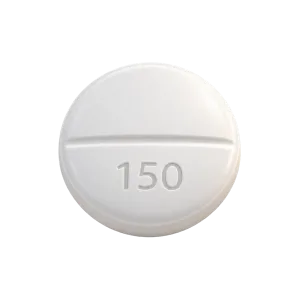
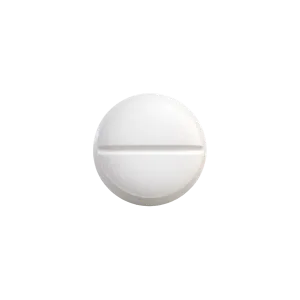
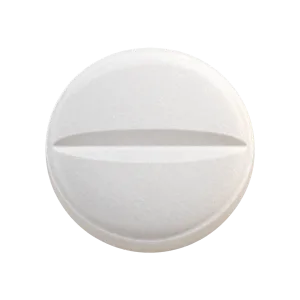
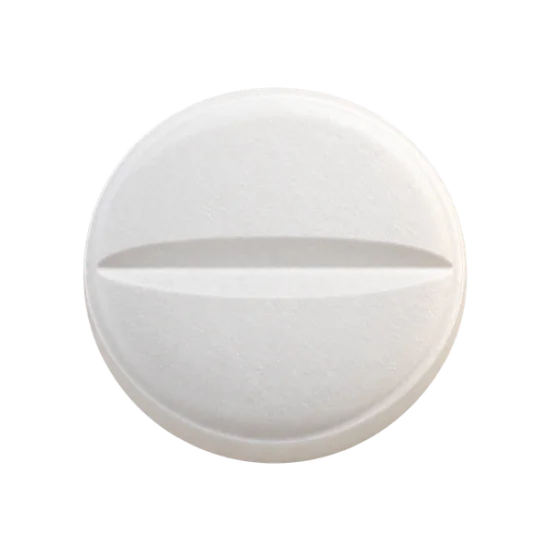
A scored tablet may be physically divisible, but the intended dose must remain the amount prescribed for that person. Do not crush or chew tablets unless the product’s prescriber or dispensing instructions specifically allow it, because altered administration can affect swallowing, taste and dose accuracy. The FDA’s 2023 medication guidance emphasises taking tablets in the approved manner rather than modifying them for convenience. A tablet that is difficult to swallow may require a different approved formulation or treatment plan.

Do you offer anonymous delivery?

Your order will be securely packed and shipped within 24 hours. This is exactly what your package will look like (images of an actual item sent). It has the size and look of a regular private letter (24x11x0.7 cm) and its contents cannot be seen.

Sources

  1. European Medicines Agency (2011). Modafinil-containing medicinal products: referral and product information.
  2. U.S. Food and Drug Administration (2023). Provigil (modafinil) Prescribing Information.
  3. Medsafe (2024). Data Sheet for modafinil.
  4. World Health Organization (2015). Medical eligibility criteria for contraceptive use, 5th edition.

Reviews: Modvigil

3.3
Based on 3 reviews
Craig B., 31 Blenheim Six weeks
Verified
Rating: 3.5 out of 5

I had been falling asleep during afternoon desk work despite using my prescribed sleep-apnoea treatment. The first week brought a dull headache, then that eased. I stayed more alert through work, although I still needed proper sleep and did not feel comfortable taking it after midday.

16 Nov 2026
Paul S., 29 Napier One month
Verified
Rating: 3.5 out of 5

The tablets helped during the first half of my night shifts, and I stopped nodding off on the drive home only after I also changed my sleep routine. My appetite was lower and I felt tense with extra coffee, so I cut the caffeine. The result was useful but not effortless.

9 Nov 2026
Martin, 41 Hastings Three weeks
Verified
Rating: 3 out of 5

I noticed better wakefulness within the first few days, but insomnia became a problem when I took a late dose after sleeping badly. I also developed a rash on my arm and stopped until I received urgent medical advice. I would not ignore a skin change again.

19 Oct 2026
Get our free app Shop faster and track your orders 3.8 · 361 reviews Install