Skip to content
Nolvadex
Active ingredient: Tamoxifen

Nolvadex

Quality products
24/7 Support
Fast delivery
Delivery from 4 days
Select pack Package Per unit Price

Free delivery on orders from $ 376.00, free express delivery from $ 564.00

Secure Payments
Track your order
Best price guarantee

Nolvadex is prescribed mainly for breast cancer treatment, prevention of recurrence, or risk reduction when an oncology team confirms it is suitable. Suitability depends on tumour receptors and the oncology plan.

Overview

Tamoxifen in Nolvadex blocks oestrogen signals in breast tissue, helping slow the growth of hormone-sensitive breast cancer cells. How much to use and how often depends on the purpose of treatment and is agreed with a doctor or pharmacist.

Formulation

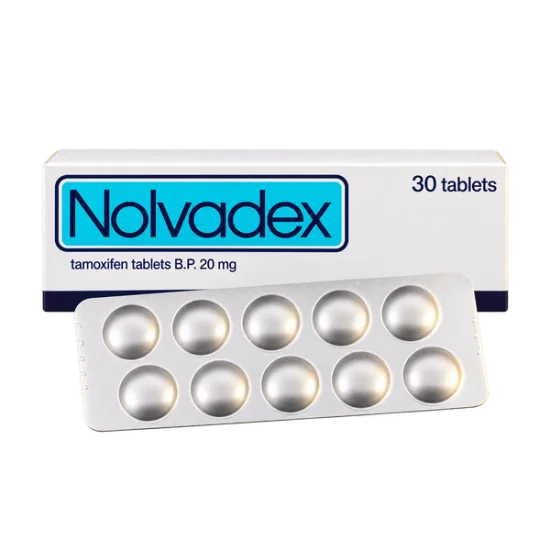
Nolvadex contains tamoxifen, a selective oestrogen receptor modulator, supplied as 20 mg tablets. The product pack contains 30 tablets. Tamoxifen is used in hormone-sensitive breast cancer, where tumour cells depend partly on oestrogen signalling for growth.

Tamoxifen pharmacological class

A selective oestrogen receptor modulator, or SERM, changes how oestrogen receptors behave in different tissues. In breast tissue, tamoxifen blocks oestrogen’s signal; in other tissues, it can have partial oestrogen-like effects. The United States Food and Drug Administration describes tamoxifen as an anti-oestrogen treatment for breast cancer and risk reduction [1].

Keep a current list of every prescription medicine, over-the-counter product, vitamin and herbal supplement you use. Some medicines can alter tamoxifen’s conversion into its active form.

Hormone-sensitive breast cancer applications

Nolvadex is used when the tumour’s biology supports endocrine treatment. A receptor-positive result does not mean that tamoxifen is the only possible treatment. An oncologist may consider an aromatase inhibitor, chemotherapy, radiotherapy, surgery or a combination of treatments.

For men with hormone-sensitive breast cancer, tamoxifen may also be prescribed. Breast cancer remains uncommon in men, so treatment decisions are usually made through a specialist oncology service.

Therapeutic indications

Tamoxifen may be prescribed:

  • After surgery, chemotherapy or radiotherapy to reduce the risk of recurrence.
  • For hormone-sensitive breast cancer that has spread or returned.
  • To reduce breast cancer risk in selected people with a high inherited or familial risk.
  • Before surgery in some treatment plans, when the oncology team considers hormone treatment appropriate.

The dose and treatment length depend on the purpose of treatment. Specialist cancer teams may prescribe tamoxifen for several years, with the exact plan reviewed during follow-up.

Dosage and administration

Take Nolvadex exactly as prescribed. Tamoxifen tablets are taken by mouth, usually on a regular daily schedule determined by the prescriber.

  • Swallow the tablet with water.
  • Take it at the same time each day when possible.
  • Use the prescribed strength and schedule.
  • Do not change the dose because symptoms improve or side effects become inconvenient.
  • If a dose is missed, follow the approved medicine instructions or the advice given by the prescribing team.
  • Do not double the next dose unless a clinician specifically directs this.
  • Continue scheduled oncology appointments, blood tests and imaging when arranged.

The exact dose and duration depend on whether tamoxifen is being used after initial treatment, for recurrent disease or for risk reduction. A treatment plan can change after pathology review, treatment response, new medicines or changes in health.

A phone reminder linked to a daily routine, such as brushing your teeth, can reduce missed tablets. Keep the reminder separate from any decision to change treatment.

Prescription schedule and adherence

Stopping tamoxifen without discussing it with the oncology team can remove an important part of recurrence-reduction treatment. Persistent side effects deserve review, not silent discontinuation. The team may suggest symptom treatment, a different endocrine approach or a planned interruption in selected circumstances.

One common mistake is taking two tablets after a missed dose. Extra tamoxifen can increase adverse-effect risk without restoring the treatment schedule safely. Follow the missed-dose instructions provided by the prescribing service.

Pregnancy should be avoided during tamoxifen treatment because the medicine can harm a developing pregnancy. People who could become pregnant need a reliable non-hormonal contraceptive plan agreed with their clinician. Tamoxifen is not used during breastfeeding unless a specialist gives specific instructions.

Reasons not to use it

A previous or active blood clot, such as deep-vein thrombosis or pulmonary embolism, is a major condition requiring specific medical assessment before tamoxifen is used. The FDA prescribing information from 2024 also identifies clot-related risk as a significant safety consideration in tamoxifen treatment.

When this is not for you

Nolvadex may not be suitable for you if you are pregnant, have a history of blood clots, or have a tumour that is not hormone-sensitive; ask the oncology team to review your individual circumstances.

Possible side effects

Tamoxifen commonly causes menopausal-type symptoms. Hot flushes, night sweats, tiredness, nausea, vaginal dryness or discharge and changes in menstrual bleeding can occur. Some people experience few symptoms, while others find them disruptive.

The New Zealand breast cancer guidance from Te Aho o Te Kahu describes endocrine treatment as an important part of care for suitable hormone-receptor-positive breast cancer, with side-effect support needed to maintain treatment [3].

Symptom pattern Practical response
Hot flushes or night sweats Use light layers, cool bedding and a fan; record timing and triggers
Nausea or stomach upset Take the tablet with food if permitted by the treatment instructions; report persistent symptoms
Fatigue or sleep disruption Pace demanding tasks, protect sleep routine and discuss worsening fatigue
Vaginal dryness or discharge Ask about non-hormonal options; avoid starting hormonal products without review
Unusual bleeding or pelvic symptoms Contact the oncology or gynaecology service promptly

Hot flush management

Hot flushes can feel like a sudden wave of heat across the face, neck or chest, followed by sweating. Spicy food, alcohol, warm rooms, stress and caffeine trigger symptoms in some people, though patterns differ.

Layered clothing is more useful than one heavy garment because it can be removed quickly. A small fan beside the bed may help with night sweats. Keep a brief diary of timing, food, drinks and severity for one week; this often gives the treatment team more useful information than a general statement that flushes are severe.

Herbal products marketed for menopause symptoms can contain compounds with hormonal activity or interact with prescribed medicines. Discuss them before use.

Serious symptoms requiring medical attention

Tamoxifen has a rare association with venous thromboembolism, including deep-vein thrombosis and pulmonary embolism. It is also associated with endometrial changes and, rarely, endometrial cancer. Unexplained vaginal bleeding, pelvic pressure or persistent pelvic pain needs prompt assessment.

Emergency symptoms include:

  • Sudden breathlessness or chest pain.
  • Coughing blood.
  • Painful swelling in one leg.
  • Sudden weakness, facial drooping or speech difficulty.
  • Heavy vaginal bleeding with dizziness or faintness.
  • Severe allergic swelling or difficulty breathing.

How it affects the body

Oestrogen can attach to receptors inside breast cancer cells and activate signals that encourage cell growth. Tamoxifen competes with oestrogen for these receptors. When tamoxifen occupies the receptor in breast tissue, the usual oestrogen growth signal is reduced.

This action resembles placing a key into a lock without opening the door. The receptor is occupied, but the full growth message is not delivered. The medicine does not remove all oestrogen from the body, and its effects differ between tissues.

Tamoxifen is converted in the liver into active metabolites, including endoxifen. The CYP2D6 enzyme contributes to this conversion. Medicines that strongly inhibit CYP2D6 may reduce the amount of active metabolite formed, which is why antidepressant selection can require careful review.

Tamoxifen’s tissue-selective action explains both its clinical use and some adverse effects. It can block oestrogen signalling in breast tissue while producing oestrogen-like effects in bone, the uterus or blood vessels. The European Medicines Agency recognises tamoxifen as endocrine therapy for hormone-sensitive breast cancer [2].

Common mistakes

Several practical errors can reduce the safety or usefulness of tamoxifen treatment:

  • Taking tablets on some days and skipping them on others without telling the treatment team.
  • Doubling the next dose after a missed tablet.
  • Stopping treatment after hot flushes without discussing symptom control.
  • Starting an antidepressant, menopause product or herbal supplement without interaction review.
  • Ignoring unexplained vaginal bleeding because it is painless.
  • Failing to mention a past deep-vein thrombosis or pulmonary embolism.
  • Forgetting to report planned surgery, prolonged immobility or long-distance travel.
  • Assuming that all breast cancer is hormone-sensitive.
  • Treating depressed mood as a minor inconvenience when it affects daily function.
  • Missing oncology appointments after symptoms improve.
Before a long journey, ask the treatment team whether your clot history, mobility, surgery plans or other medicines require a specific plan. Do not alter tamoxifen because of travel alone.

Comparison

Tamoxifen is one endocrine treatment option. Aromatase inhibitors, including anastrozole, letrozole and exemestane, reduce oestrogen production rather than mainly blocking oestrogen receptors in breast tissue.

Treatment approach Clinical factors considered
Tamoxifen Menopausal status, tumour receptors, clot risk, uterine health and previous treatment
Aromatase inhibitor Menopausal status, joint symptoms, bone density, fracture risk and prior endocrine therapy
Sequential endocrine therapy Response, tolerability, recurrence risk and the planned duration of treatment

Aromatase inhibitors can cause joint stiffness, muscle aches and loss of bone density. Tamoxifen can cause hot flushes, vaginal symptoms and clot risk, while its effects on bone may differ from those of aromatase inhibitors. Neither approach suits every patient.

Some people begin with tamoxifen and later move to an aromatase inhibitor, or use treatments sequentially. A switch should be planned with the oncology team rather than made by stopping one tablet and starting another independently.

What doctors say

In oncology practice, three issues often determine whether tamoxifen treatment remains workable: adherence, interaction review and early reporting of warning symptoms. Patients may tolerate hot flushes for months without mentioning them, then stop treatment suddenly when sleep becomes difficult.

A clinician will usually want to know the timing of symptoms, their severity and whether they affect daily function. A short symptom diary can show whether night sweats follow alcohol, warm rooms, stress or a particular medicine. That detail can support a targeted solution.

Follow-up also covers menstrual or vaginal changes, pelvic symptoms, leg swelling, breathlessness, mood and other medicines. Abnormal bleeding after menopause deserves assessment even when it occurs only once.

Breast Cancer Now provides patient information about tamoxifen, endocrine treatment and managing treatment effects. Its educational resources can help patients prepare questions for an oncology appointment, while medicine changes still need to be agreed with the local treatment team [4].

Comparison

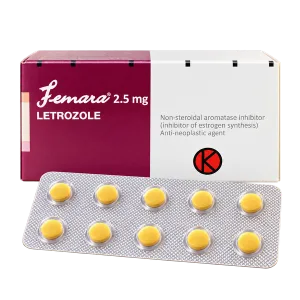
Femara

Active ingredient: Letrozole
2.5mg
From $ 180.48
pills
3.6 (4)

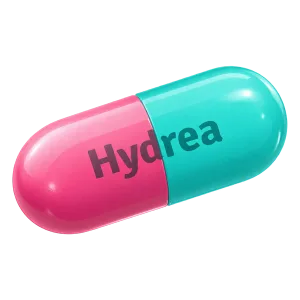
Hydrea

Active ingredient: Hydroxycarbamide
500mg
From $ 212.44
pills
3.7 (3)

Nolvadex Current

Active ingredient: Tamoxifen
10mg 20mg
From $ 167.32
pills
3.9 (4)

Compare all medicines for Oncology

Common questions

Can the Nolvadex tablet be split, crushed or chewed?

Medsafe’s tamoxifen medicine information from 2023 supports swallowing tablets as directed rather than chewing them. A tablet should not be crushed or split unless the prescribing team or pharmacist confirms that the specific tablet can be handled that way. If swallowing is difficult, tell the treatment service so an appropriate solution can be considered.

What should happen if the expected result does not come?

NICE guidance updated in 2023 treats endocrine therapy as part of a wider breast cancer plan, so response cannot be judged by symptoms alone. Tamoxifen may be prescribed to reduce recurrence risk even when a patient feels well and has no visible tumour symptoms. Do not increase the dose or stop treatment because the expected result is not obvious; the oncology team may use examinations, imaging and pathology to assess the plan.

Can Nolvadex affect driving, concentration or machinery work?

Medsafe information from 2023 describes tiredness, dizziness and visual symptoms as possible medicine-related concerns that can affect activities for some people. Avoid driving or operating machinery if you feel dizzy, unusually tired, confused or unable to see clearly. Once you know how tamoxifen affects you, discuss persistent symptoms with the treatment team rather than relying on stimulants or skipping doses.

Which condition rules Nolvadex out?

A previous or active blood clot, such as deep-vein thrombosis or pulmonary embolism, is a major condition requiring specific medical assessment before tamoxifen is used. The FDA prescribing information from 2024 also identifies clot-related risk as a significant safety consideration in tamoxifen treatment. Do not start, stop or restart tamoxifen after a clot without an oncology clinician reviewing the full history and current treatment plan.

What happens after stopping Nolvadex, and does it need tapering?

The Royal College of Physicians’ endocrine cancer guidance from 2022 supports planned treatment decisions rather than unsupervised withdrawal. Tamoxifen is generally stopped according to the oncology plan rather than reduced through a routine taper, but the reason for stopping determines the safest approach. Stopping early can reduce the intended protection against recurrence, so discuss side effects, pregnancy plans or treatment changes before the final dose.

Does Nolvadex cause hot flushes?

Breast Cancer Now’s tamoxifen information from 2024 lists hot flushes and night sweats among recognised treatment effects. Symptoms can range from occasional warmth to frequent episodes that disrupt sleep, and severity does not predict whether treatment is working. Cooling measures, trigger tracking and non-hormonal symptom options can help, while hormone products require oncology review.

How should Nolvadex be stored at home and while travelling?

Medsafe’s 2023 medicine information advises keeping tamoxifen in a safe, dry place away from heat and out of reach of children. During travel, keep the tablets with your essential medicines rather than leaving them in a hot car, bathroom or checked luggage. Carry enough for the planned trip and retain the dosing schedule provided by the treatment team.

Do you offer anonymous delivery?

Your order will be securely packed and shipped within 24 hours. This is exactly what your package will look like (images of an actual item sent). It has the size and look of a regular private letter (24x11x0.7 cm) and its contents cannot be seen.

Mood changes and emotional impact

Cancer treatment can affect mood through physical symptoms, sleep loss, uncertainty, hormonal changes and treatment-related stress. Tamoxifen may be associated with mood changes in some people, though depression can have several causes and should not automatically be attributed to the tablet.

Symptoms may include persistent sadness, anxiety, irritability, loss of interest, poor concentration, early waking or sleeping excessively. A low mood lasting more than two weeks deserves assessment, especially when it affects eating, work, relationships or treatment adherence.

Tell the oncology team before starting an antidepressant. Some antidepressants can interfere with CYP2D6 and may reduce the formation of active tamoxifen metabolites. The choice depends on symptoms, previous response, interaction risk and the cancer treatment plan.

If mood symptoms make it difficult to take tablets or attend appointments, tell the treatment team promptly. Do not stop tamoxifen abruptly as a self-directed response to emotional distress.

Suicidal thoughts, severe agitation, confusion or an inability to function require urgent help. In New Zealand, call 111 for immediate danger or contact Healthline and the national mental health crisis service through 1737 for urgent support.

Sources

  1. U.S. Food and Drug Administration (2024). Nolvadex (tamoxifen citrate) tablets prescribing information.
  2. European Medicines Agency (2023). Summary of Product Characteristics (SmPC) — tamoxifen.
  3. Te Aho o Te Kahu — Cancer Control Agency (2023). National Breast Cancer Quality Improvement Monitoring Report.
  4. Breast Cancer Now (2024). Tamoxifen.

Reviews: Nolvadex

3.9
Based on 4 reviews
Karen D., 47 Gisborne Several months
Verified
Rating: 4.5 out of 5

The first few weeks brought hot flushes and poor sleep. Cooling the bedroom helped, and the flushes became easier to manage. I kept taking it after discussing the symptoms at follow-up.

18 Nov 2026
Susan, 69 Te Awamutu Several months
Verified
Rating: 4 out of 5

I had vaginal dryness and felt tired during the first months. The treatment team suggested non-hormonal measures and reviewed my other medicines. It was manageable, although not completely comfortable.

20 Oct 2026
Elaine, 32 Queenstown Several months
Verified
Rating: 3.5 out of 5

My mood dropped and I wondered whether to stop. The oncology nurse reviewed my symptoms and antidepressant options before any change was made. Improvement took time, but I was glad I raised it.

29 Oct 2026
Victoria, 60 Porirua Several months
Verified
Rating: 3.5 out of 5

The medicine was important in my treatment plan, but the night sweats were exhausting. A diary helped show how often they occurred, and the team adjusted the symptom plan rather than ignoring them.

9 Nov 2026
Get our free app Shop faster and track your orders 3.8 · 361 reviews Install