Skip to content
Lamisil
Active ingredient: Terbinafine

Lamisil

Quality products
24/7 Support
Fast delivery
Delivery from 4 days
Select pack Package Per unit Price

Free delivery on orders from $ 376.00, free express delivery from $ 564.00

Secure Payments
Track your order
Best price guarantee

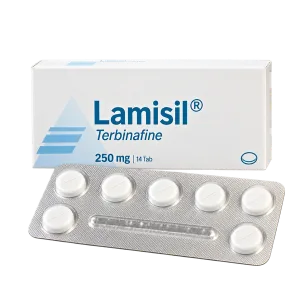
Lamisil tablets contain terbinafine, an allylamine antifungal for selected fungal infections of the skin, hair and nails. Oral treatment may be used when infection does not respond adequately to treatment applied only to the skin. The regimen for the chosen strength should be confirmed with a healthcare professional before starting.

Overview

Terbinafine, the active ingredient of Lamisil, is an allylamine antifungal used for selected fungal infections of the skin, hair and nails.

Formulation

Terbinafine Hydrochloride Composition

Each Lamisil tablet supplied for this page contains terbinafine hydrochloride. The medicine belongs to the allylamine class of antifungal treatment.

The concentration of a topical product, such as terbinafine hydrochloride 1% cream, is not interchangeable with the strength used in oral tablets. A cream, spray and tablet use different routes of administration and follow different treatment instructions.

Topical and Oral Antifungal Action

Topical antifungal medicine acts mainly at the treated skin surface. Oral terbinafine circulates through the body and reaches tissues that topical treatment cannot reliably penetrate, including the nail unit.

This difference does not make tablets preferable for every infection. Oral treatment exposes the whole body to terbinafine and requires attention to liver health, medicine interactions and systemic adverse effects.

Therapeutic indications

Lamisil tablets provide oral terbinafine for fungal infections that may not respond adequately to treatment applied only to the skin. Terbinafine is an antifungal used against dermatophytes, the fungi responsible for many cases of athlete’s foot, ringworm and jock itch.

The tablet form is not a general treatment for every rash. Eczema, psoriasis, contact dermatitis and bacterial infections can resemble fungal skin disease, so the diagnosis affects whether oral treatment is suitable.

Common Skin Infections Treated by Lamisil

  • Athlete’s foot, also called tinea pedis, commonly causes scaling, cracking, itching or soreness between the toes and on the soles.
  • Ringworm, commonly called tinea corporis, may produce an expanding, scaly, ring-shaped lesion on the body.
  • Jock itch, or tinea cruris, affects the groin folds and nearby skin, causing irritation, redness and itching.

Fungal infections can spread from the feet to the groin through clothing, towels or scratching. Moisture between the toes and in skin folds creates conditions that support fungal persistence.

Dry carefully between the toes after bathing. A damp fold can remain irritated even when the visible rash seems to be improving.

Clinical Terms for Dermatophytosis

Dermatophytosis means a fungal infection caused by dermatophytes. The term covers tinea pedis, tinea corporis and tinea cruris, as well as infections affecting the scalp or nails.

A ring-shaped lesion is not enough to confirm ringworm. A rash that spreads quickly, affects the face, becomes painful or fails to improve needs clinical assessment because several non-fungal conditions can look similar.

Lamisil Use for Nail Fungus

Nail infections are harder to treat than many superficial fungal skin infections because the fungus can sit within or beneath the nail plate. Oral terbinafine may be prescribed for suitable cases, while a skin cream may not penetrate an established nail infection sufficiently.

A nail that is thick, yellow, crumbly or separated from the nail bed does not automatically have fungal disease. Trauma, psoriasis and other nail disorders can produce similar changes.

Nail Infection Diagnosis

Assessment is useful before oral therapy, especially when several nails are affected, the diagnosis is uncertain or previous treatment failed. A nail sample may help confirm fungal infection and identify whether oral treatment is appropriate.

Treatment decisions also consider liver health, other medicines and the number of nails involved. The nail may continue to look abnormal after the fungus has cleared because healthy nail must grow forward from the nail root.

Oral Terbinafine for Selected Nail Infections

Lamisil 250 mg terbinafine tablets may be selected for confirmed or strongly suspected nail infections when systemic therapy is appropriate. The course is not universal and should be set for the individual infection rather than copied from another patient.

Nail appearance improves slowly. A clear strip of new nail at the base can be a more useful early sign than the damaged end of the nail.

Dosage and administration

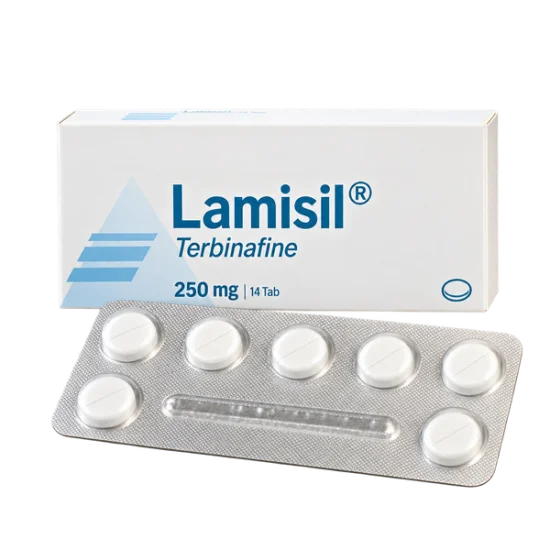
The Lamisil product described here is a tablet. The regimen for the chosen strength should be confirmed with a healthcare professional before starting, because the appropriate duration depends on the infection site, severity, fungal species and patient factors.

  • Take the prescribed tablet by mouth at the scheduled time.
  • Swallow it with water.
  • Keep the treatment schedule consistent.
  • Do not start oral terbinafine solely because a rash resembles ringworm.
  • Do not use oral tablets as a substitute for a topical product unless the prescriber has selected that route.
  • Do not double the next dose after forgetting one.

The recommended course can differ greatly between skin, scalp and nail infections. Stopping early may leave viable fungi behind, while extending treatment without review increases unnecessary exposure.

If a dose is missed, take it when remembered unless the next scheduled dose is close. Do not take two tablets together to compensate.

Correct Use Around Skin Infections

When tablets are prescribed for athlete’s foot, ringworm or jock itch, keep the affected areas clean and dry. Wash socks, towels and clothing regularly, and avoid sharing them with other people.

Footwear can retain moisture and fungal material. Rotating shoes and allowing them to dry may reduce repeated exposure, especially when athlete’s foot keeps returning.

Oral Terbinafine Tablet Use

Before oral treatment, the prescriber may review the diagnosis, medical history, liver health and current medicines.

Common Treatment Mistakes

  • Treating every itchy rash as a fungal infection.
  • Stopping when itching improves but before the prescribed course ends.
  • Sharing towels, socks or footwear during treatment.
  • Taking extra tablets after a missed dose.
  • Ignoring nausea, dark urine or jaundice.
  • Continuing tablets without review when the infection is spreading or unchanged.

When this is not for you

NOT for you if: oral terbinafine has not been confirmed as appropriate, you have a relevant liver problem, or you cannot complete the required monitoring and follow-up.

Possible side effects

Side effects differ between topical terbinafine products and oral tablets. A local cream or spray can cause irritation at the application site, while tablets can produce systemic effects because terbinafine enters the bloodstream.

Topical Skin Reactions

Topical terbinafine may cause redness, burning, dryness, peeling, itching or irritation where it is applied. These reactions are usually limited to the treated area, but marked swelling, blistering or a spreading rash may indicate a significant reaction.

Applying more topical product does not speed recovery. It may increase irritation, especially on cracked skin or in skin folds.

Oral Terbinafine Safety Monitoring

Reported adverse effects with oral terbinafine include headache, gastrointestinal upset, nausea, abdominal discomfort, rash and taste disturbance. Taste changes can reduce appetite and may continue for a period after treatment in some patients.

Rare liver injury is a serious risk. Persistent nausea, vomiting, unusual fatigue, itching, dark urine, pale stools or jaundice need urgent medical evaluation rather than another dose.

Changes in smell or taste deserve attention. Food may seem unusually bland or metallic, and reduced eating can become a practical problem if the symptom persists.

Medicine Interaction Review

A medicine review should include prescription medicines, over-the-counter products and supplements. Cimetidine can affect terbinafine exposure, and other medicines may also alter liver risk or the way symptoms are managed.

Tell the prescriber about antidepressants, medicines for heart rhythm, blood-pressure treatment, hormonal medicines and herbal products. The interaction assessment is individual rather than limited to one named medicine.

Keep a written list of every medicine and supplement used during oral treatment. Include occasional products, such as sleep aids or pain medicines, because they are easy to forget during a consultation.

How it affects the body

Terbinafine interferes with the fungus’s ability to build and maintain its cell membrane. It blocks an enzyme called squalene epoxidase, which reduces production of ergosterol, a membrane component that fungi need.

As squalene accumulates and ergosterol falls, fungal cells become damaged. Depending on the species and concentration, this can stop fungal growth or kill the organism. This mechanism makes terbinafine an allylamine antifungal rather than an azole antifungal.

Common mistakes

The most frequent error is confusing improvement in itch with eradication of the infection. Itching may settle before fungal elements have fully cleared, so changing the schedule without advice can lead to persistence or recurrence.

Another mistake is treating a nail with skin cream for months without confirming the diagnosis. A damaged nail may need a different approach, and prolonged self-treatment can delay appropriate assessment.

Patients also sometimes overlook symptoms that should stop routine use. Dark urine, yellow skin, persistent nausea, severe rash, facial swelling or breathing difficulty require urgent medical attention.

Comparison

Terbinafine is one option among antifungal treatments. Other choices include azole medicines such as clotrimazole, with selection based on the diagnosed fungus, body site, severity, previous treatment and tolerability.

Treatment type Main action and use
Terbinafine Blocks squalene epoxidase; useful for many dermatophyte infections and available as topical or oral treatment
Clotrimazole and other azoles Interfere with fungal membrane production; used for several skin and yeast-related infections
Oral antifungal therapy Reaches deeper or difficult sites such as selected nail infections; requires systemic safety review

No single antifungal is suitable for every rash. Switching between products without confirming the diagnosis can delay the treatment that addresses the actual cause.

Terbinafine and Azole Cream Comparison

Terbinafine can be convenient for some dermatophyte infections because it acts directly on a fungal enzyme involved in membrane formation. Azole creams affect a different step in fungal membrane production and may be selected when the suspected organism or body site makes that class more appropriate.

Application frequency, course length and local tolerability vary by product. Burning or dryness can occur with either class, and persistent symptoms call for a diagnostic review rather than repeated product changes.

Treatment Selection by Infection Site

A small area of athlete’s foot may be managed with topical antifungal treatment. Scalp infection, extensive disease or selected nail infections may require oral therapy because the infection lies beyond the reach of a cream.

Recurrent athlete’s foot often persists when moisture, footwear or household transmission is not addressed. Treating the skin while repeatedly wearing damp socks can make recurrence more likely.

What doctors say

In clinical practice, doctors usually separate three decisions: whether the condition is fungal, whether terbinafine is an appropriate antifungal, and whether oral treatment is justified. The tablet route can be useful, yet its systemic risks mean that a visible rash alone is not enough to justify treatment.

A doctor will usually ask about liver disease, previous reactions to antifungals, pregnancy or breastfeeding, current medicines and the possibility of nail or scalp involvement. The response should be judged by the infection site and the agreed treatment plan, not by taking extra tablets when improvement feels slow.

A useful prescribing principle is simple: confirm the target, choose the route, then monitor the patient. Diagnosis guides the first decision. The route follows the infection site and severity. Monitoring continues during systemic treatment. That approach reduces the chance of treating eczema with an antifungal or exposing someone to oral treatment for a condition that would respond to local care.

Comparison

Lamisil Current

Active ingredient: Terbinafine
250mg
From $ 231.24
pills
3.3 (4)

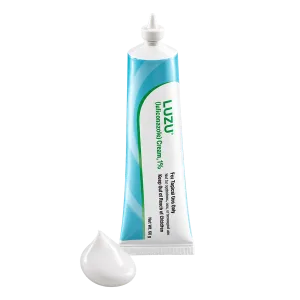
Luzu

Active ingredient: Luliconazole
1%
From $ 186.12
tubes
4.2 (5)

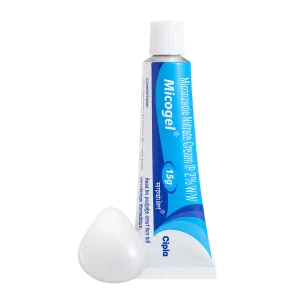
Micogel

Active ingredient: Miconazole
2%
From $ 148.52
tubes
4 (5)

Compare all medicines for Antifungals

Common questions

What should I do if the expected result does not come?

Do not increase the dose or extend treatment without medical review. Ringworm, jock itch and athlete’s foot can resemble eczema or bacterial infection, while nail infections may need confirmation before oral therapy. Medsafe guidance from 2023 for terbinafine products, together with safety information from the European Medicines Agency (EMA), supports attention to treatment response, adverse effects and liver-related symptoms in people taking tablets [1].

Which diet, exercise or habits help or hinder the result?

No special diet cures a dermatophyte infection, and exercise does not replace antifungal treatment. Drying between the toes, changing damp socks, cleaning towels and allowing footwear to dry can reduce repeated fungal exposure. The World Health Organization’s 2022 fungal disease overview describes prevention and correct diagnosis as important parts of managing fungal infections [2].

What should I do after a missed dose?

Take the missed tablet when remembered unless the next dose is due soon. Skip it if the next scheduled dose is close, then return to the normal timetable; never take two doses together. The FDA prescribing information from 2017 for oral terbinafine describes regular dosing and safety precautions for systemic treatment [3].

Can I drink alcohol while using Lamisil?

Alcohol is not a treatment issue for the fungus, but both alcohol and oral terbinafine can place demands on the liver. Avoid heavy drinking and discuss alcohol use openly when oral treatment is being assessed, especially if there is liver disease or abnormal liver testing. Medsafe’s 2023 terbinafine data sheet supports reviewing liver risk and symptoms during systemic therapy .

What happens after stopping Lamisil, and does it need tapering?

Terbinafine tablets are not usually tapered because treatment is generally stopped after the prescribed course rather than reduced gradually. The infection can still take time to look normal, especially when the nail or thickened skin must grow out. Cochrane evidence from 2013 on oral treatments for toenail fungal infection describes the slower visible recovery of nails compared with the clearance of fungal activity [4].

Do you offer anonymous delivery?

Your order will be securely packed and shipped within 24 hours. This is exactly what your package will look like (images of an actual item sent). It has the size and look of a regular private letter (24x11x0.7 cm) and its contents cannot be seen.

Sources

  1. Medsafe (2023). Terbinafine tablets: data sheet.
  2. World Health Organization (2022). WHO fungal priority pathogens list to guide research, development and public health action.
  3. U.S. Food and Drug Administration (2017). Lamisil (terbinafine hydrochloride) tablets prescribing information.
  4. Cochrane (2013). Oral treatments for fungal infections of the toenails.

Reviews: Lamisil

3.3
Based on 4 reviews
Stephen, 31 Wellington Several weeks
Verified
Rating: 3.5 out of 5

took the 250 mg tablets for a persistent foot and groin infection after a clinician confirmed the diagnosis. The scaling reduced during the first weeks, but he noticed mild nausea after larger meals and found that taking the tablet with water at a consistent time made the routine easier.

11 Nov 2026
Helen, 57 Ashburton Several months
Verified
Rating: 4 out of 5

used oral terbinafine for a confirmed nail infection. She reported no major stomach problems, although the nail still looked damaged for several months and she had expected a faster cosmetic change.

14 Oct 2026
John, 54 Dunedin An incomplete course
Verified
Rating: 2 out of 5

stopped treatment early when the itching disappeared and later noticed the rash returning around the toes. A follow-up review showed that damp footwear and incomplete treatment had contributed to the problem.

21 Oct 2026
Hannah, 32 Whangārei During oral treatment
Verified
Rating: 3.5 out of 5

experienced a metallic taste during oral treatment and found that several foods seemed less appealing. The symptom prompted a medication review, and she was advised to report any worsening taste change or appetite loss.

1 Nov 2026
Get our free app Shop faster and track your orders 3.8 · 361 reviews Install