Skip to content
Empagliflozin
Active ingredient: Empagliflozin

Empagliflozin

Quality products
24/7 Support
Fast delivery
Delivery from 4 days
Select pack Package Per unit Price

Free delivery on orders from $ 376.00, free express delivery from $ 564.00

Secure Payments
Track your order
Best price guarantee

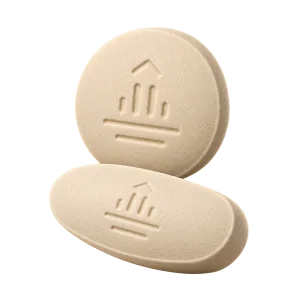
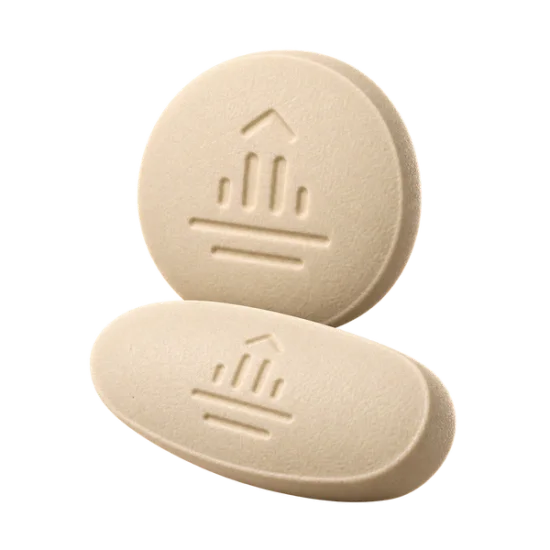
Empagliflozin helps the kidneys remove some excess glucose through urine, lowering blood glucose in adults with type 2 diabetes. It may also support heart and kidney outcomes in eligible patients. The tablets are taken by mouth, with dose selection based on the indication, kidney function, and the prescribed strength.

Overview

Empagliflozin is an oral sodium-glucose cotransporter 2 inhibitor, usually shortened to SGLT2 inhibitor. The active ingredient reduces the kidney’s reabsorption of filtered glucose, allowing more glucose to leave the body in urine. This action supports blood-glucose control without directly stimulating the pancreas to release insulin [1].

Therapeutic class and active ingredient

SGLT2 is a transport protein found mainly in the kidney. It normally helps return glucose from filtered fluid into the bloodstream. Empagliflozin blocks part of this process.

Formulation

Empagliflozin is an oral sodium-glucose cotransporter 2 inhibitor, usually shortened to SGLT2 inhibitor. The active ingredient reduces the kidney’s reabsorption of filtered glucose, allowing more glucose to leave the body in urine. This action supports blood-glucose control without directly stimulating the pancreas to release insulin [1].

Therapeutic class and active ingredient

SGLT2 is a transport protein found mainly in the kidney. It normally helps return glucose from filtered fluid into the bloodstream. Empagliflozin blocks part of this process.

Therapeutic indications

Empagliflozin may be prescribed for:

  • Type 2 diabetes alongside diet, activity, and other glucose-lowering treatment.
  • Selected adults with heart failure.
  • Selected adults with chronic kidney disease.
  • Patients who may benefit from reduced fluid load and cardiorenal protection.

Treatment decisions depend on kidney function, blood pressure, hydration, diabetes type, other medicines, and the approved New Zealand product information. Empagliflozin does not replace insulin in type 1 diabetes and should not be self-started or used to change an insulin regimen.

Glucose in the urine is an expected effect of empagliflozin. A urine glucose result does not mean that the tablet has failed.

Dosage and administration

Empagliflozin is taken once daily by mouth, at the prescribed strength. The tablet is generally swallowed with water and may be taken with or without food unless the prescriber gives different instructions.

  • Take it at a consistent time each day.
  • Swallow the tablet whole unless the official product information specifically permits another method.
  • Maintain normal fluid intake unless a clinician has set a fluid restriction.
  • Do not increase the strength because blood glucose remains high.
  • Do not stop insulin independently.
  • If a dose is missed, take it when remembered unless the next dose is near; never take two doses to compensate.
  • Ask about temporary interruption during prolonged fasting, significant illness, or surgery.
A morning dose may fit many routines because urination can increase after taking empagliflozin. A different time may be more suitable for some patients, especially when other medicines or work schedules affect the routine.

Sick-day and procedure planning

Vomiting, diarrhoea, fever, inability to drink, prolonged fasting, or major surgery can increase the risk of dehydration and ketoacidosis. Patients should have a specific sick-day plan for empagliflozin before illness occurs.

A person can develop ketoacidosis without extremely high blood glucose. Nausea, abdominal pain, unusual tiredness, confusion, or deep and difficult breathing requires urgent medical assessment.

Reasons not to use it

Empagliflozin is not suitable for everyone. A prescriber must review the person’s diagnosis, kidney function, hydration status, pregnancy status, and other medicines before treatment.

Medicines requiring monitoring

Insulin and sulfonylureas may require adjustment because the combined regimen can increase hypoglycaemia risk. Diuretics may add to fluid loss and dizziness. Medicines that affect kidney function can alter the clinical risk profile, especially during dehydration or acute illness.

Conditions requiring clinical review

  • You have type 1 diabetes unless a specialist has specifically established a carefully supervised use.
  • You have active ketoacidosis or a history of recurrent ketoacidosis requiring specialist assessment.
  • You cannot maintain fluid intake because of ongoing vomiting or severe diarrhoea.
  • You have a serious allergic reaction to empagliflozin or a formulation component.
  • You are pregnant or planning pregnancy without a treatment review.
  • You are breastfeeding and have not discussed an alternative plan.
  • You have severe kidney impairment where the intended indication or glucose-lowering effect is unsuitable.
  • You have recurrent genital infections that have not been assessed.

Pregnancy, breastfeeding, severe dehydration, planned surgery, and acute serious illness require a direct medication review. The New Zealand prescribing information and Medsafe safety guidance define the relevant precautions for the approved use.

Alcohol, fasting, and acute illness

Heavy alcohol intake, very low carbohydrate intake, fasting, and dehydration can increase the risk of ketoacidosis. Continuing empagliflozin through repeated vomiting or inability to drink is a common preventable mistake.

When this is not for you

This may not be suitable for you if you have type 1 diabetes, active or recurrent ketoacidosis, severe kidney impairment, serious dehydration, ongoing vomiting or diarrhoea, recurrent genital infections, or a serious allergy to empagliflozin. Speak directly with a clinician if you are pregnant, planning pregnancy, breastfeeding, or facing surgery or a serious illness. Tell your prescriber or pharmacist about insulin, sulfonylureas, diuretics, kidney medicines, alcohol use, prolonged fasting, and all other medicines or supplements.

Possible side effects

The most familiar effects relate to the medicine’s kidney action. Passing more urine, increased thirst, genital irritation, genital yeast infection, and urinary tract infection can occur.

Common tolerability effects

Glucose in urine creates conditions that may favour genital fungal growth. Symptoms can include itching, soreness, redness, unusual discharge, or discomfort when urinating. Urinary infection symptoms may include burning, urgency, frequent urination, lower abdominal discomfort, fever, or flank pain.

Adequate fluid intake and ordinary genital hygiene may reduce some problems, but they cannot prevent every infection. Recurrent infections need a prescribing review rather than repeated self-treatment.

Genital itching or soreness should not be ignored, especially when symptoms recur. Early assessment can distinguish a fungal infection from a urinary infection or another cause.

Serious adverse reactions

Urgent assessment is needed for:

  • Nausea, vomiting, abdominal pain, unusual weakness, confusion, or breathing difficulty, which may indicate ketoacidosis.
  • Fainting, severe dizziness, very low urine output, or marked weakness, which may indicate significant volume depletion.
  • Fever, severe genital or perineal pain, swelling, redness, or rapidly worsening tenderness.
  • Facial swelling, wheezing, widespread rash, or difficulty breathing, which may indicate a serious allergic reaction.

Ketoacidosis can occur even when the glucose reading is not dramatically elevated. This is one reason symptoms matter more than a single home glucose result [2].

Hypoglycaemia and volume depletion

Empagliflozin alone has a lower tendency to cause hypoglycaemia than medicines that directly increase insulin release. The risk rises when it is combined with insulin or a sulfonylurea.

Risk may also increase with:

  • Loop or thiazide diuretics.
  • Low fluid intake.
  • Vomiting or diarrhoea.
  • Prolonged fasting.
  • Older age or low blood pressure.
  • Reduced kidney function.

Medication changes require clinical supervision. Do not reduce insulin to avoid a low reading unless a prescriber has provided a clear plan.

How it affects the body

Empagliflozin inhibits sodium-glucose cotransporter 2 (SGLT2), a transport protein found mainly in the kidney. This reduces reabsorption of filtered glucose from the kidney into the bloodstream, so more glucose is excreted in urine. The mechanism lowers blood glucose without directly stimulating the pancreas to release insulin.

Common mistakes

Several errors reduce benefit or increase risk:

  • Doubling the next dose after a missed tablet.
  • Stopping insulin because glucose readings improve.
  • Continuing the medicine through repeated vomiting or severe diarrhoea.
  • Ignoring genital itching, soreness, discharge, or urinary burning.
  • Assuming normal or moderately elevated glucose excludes ketoacidosis.
  • Restricting fluids excessively to avoid urination.
  • Starting a prolonged fast without a medication plan.
  • Changing the prescribed strength without review.
Keep the sick-day instructions with your diabetes medicines rather than relying on memory. The most useful plan states what to do with empagliflozin, insulin, glucose checks, fluids, and urgent symptoms.

One detail patients often miss is that ketoacidosis can develop without a very high glucose reading. Another is that dizziness after starting treatment may reflect fluid loss rather than poor glucose control. Genital symptoms also deserve prompt attention; waiting until discomfort becomes severe can make treatment more difficult.

Comparison

Empagliflozin occupies a distinct position because it acts through kidney glucose handling and can offer cardiorenal benefits in selected patients. Treatment choice depends on diabetes status, heart or kidney disease, weight goals, tolerability, access, and patient preference.

Treatment category Main action and practical trade-off
Empagliflozin, an SGLT2 inhibitor Increases urinary glucose and sodium loss; may support heart and kidney outcomes; can cause genital infections, dehydration, and ketoacidosis
Metformin, a biguanide Reduces hepatic glucose production; widely used for type 2 diabetes; gastrointestinal effects and kidney-related restrictions may limit use
GLP-1 receptor agonist Enhances glucose-dependent insulin activity and reduces appetite; may support weight loss; nausea and injection requirements affect suitability

Another SGLT2 inhibitor works through a similar broad mechanism, but products can differ in approved indications, dosing instructions, and evidence for particular heart or kidney conditions. The class does not replace insulin in type 1 diabetes.

Empagliflozin may be attractive when heart failure or kidney disease is part of the clinical picture. Its limitations include urinary and genital adverse effects, fluid depletion, and the need for sick-day planning. Metformin may suit a different treatment goal, while a GLP-1 receptor agonist may be considered when appetite and weight are central concerns. WHO guidance places these decisions within the person’s individual diabetes and cardiovascular risk profile [3].

What doctors say

In clinical practice, prescribers usually assess more than the glucose result before starting empagliflozin. Kidney function, blood pressure, fluid status, diabetes type, pregnancy status, infection history, and concurrent medicines all influence the decision.

A practical prescribing discussion often covers:

  • Why empagliflozin is being added.
  • Which symptoms require urgent care.
  • What to do during vomiting, diarrhoea, fasting, or surgery.
  • Whether insulin or sulfonylurea doses need closer monitoring.
  • How kidney function and blood pressure will be followed.

Doctors also explain that increased urination can appear before a patient sees a clear change in long-term glucose markers. The early urinary effect does not prove that the final treatment response has been reached.

Patients with chronic kidney disease may receive empagliflozin for reasons that extend beyond glucose lowering. The kidney and heart evidence is strongest when the medicine is used for an approved indication and the patient meets the relevant clinical criteria [4].

Comparison

Actos

Active ingredient: Pioglitazone
15mg 30mg 45mg
From $ 114.68
pills
4.3 (3)

Empagliflozin Current

Active ingredient: Empagliflozin
10mg 25mg
From $ 351.56
pills
3.9 (5)

Glucophage

Active ingredient: Metformin
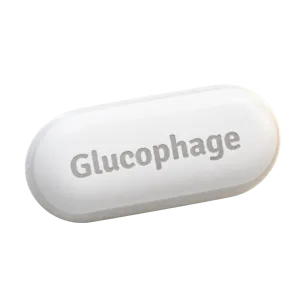
1000mg 500mg 850mg 250mg
From $ 191.76
pills
4.4 (4)

Glyxambi

Active ingredient: Empagliflozin
10mg5mg
From $ 235.00
pills
3.9 (5)

Compare all medicines for Diabetes

Common questions

How long does one dose of empagliflozin keep working?

Empagliflozin is designed for once-daily use, with kidney glucose excretion continuing across the dosing interval. The duration of the urinary effect does not mean that a patient will see an immediate change in every glucose reading. Food, kidney function, other medicines, and the underlying diabetes pattern influence observed results. FDA prescribing information from 2023 describes the medicine’s once-daily administration and pharmacological precautions .

What is the best time of day to take empagliflozin?

A consistent time that fits the prescribed regimen is usually easier to maintain. Morning use may be practical because increased urination can be more inconvenient at night, though the suitable time depends on other medicines, work, sleep, and clinical instructions. Taking it with or without food is generally permitted unless the prescriber gives different directions. EMA product information reviewed in 2024 describes oral administration and the need to follow the individual treatment plan .

Does empagliflozin cause increased urination?

Yes, increased urination can occur because empagliflozin causes glucose and some sodium to leave through urine. Thirst, dizziness, or weakness may signal excessive fluid loss rather than a normal nuisance effect. Genital fungal infections and urinary infections are also possible because glucose is present in urine. The 2023 Medsafe data sheet identifies these effects within the medicine’s recognised safety profile .

Do you offer anonymous delivery?

Your order will be securely packed and shipped within 24 hours. This is exactly what your package will look like (images of an actual item sent). It has the size and look of a regular private letter (24x11x0.7 cm) and its contents cannot be seen.

Sources

  1. U.S. Food and Drug Administration (2023). Jardiance (empagliflozin) tablets, for oral use: Prescribing Information
  2. Medsafe (2023). Jardiance Data Sheet
  3. World Health Organization (2023). WHO guideline for the pharmacological treatment of people with type 2 diabetes
  4. The Lancet Diabetes & Endocrinology (2019). SGLT2 inhibitors in patients with type 2 diabetes and kidney disease: a systematic review and meta-analysis

Reviews: Empagliflozin

3.9
Based on 5 reviews
Stephen, 38 Pukekohe Several weeks
Verified
Rating: 4 out of 5

I noticed more trips to the toilet during the first part of the day and felt thirstier. That settled into a manageable routine, but I kept water nearby at work.

9 Oct 2026
Emily R., 55 Auckland Several weeks
Verified
Rating: 5 out of 5

My readings improved gradually rather than overnight. I liked taking one tablet daily, although I needed closer checks when another medicine was adjusted.

17 Oct 2026
John Z., 59 Dunedin Several weeks
Verified
Rating: 2 out of 5

The urinary frequency was inconvenient, especially on long drives. I also developed genital irritation and needed treatment, so I would not describe the experience as effortless.

23 Oct 2026
Emma, 34 Palmerston North Several weeks
Verified
Rating: 4.5 out of 5

The routine was simple with breakfast, and I did not have low readings when using it as prescribed. I learned that fasting and illness needed a separate plan.

27 Oct 2026
Simon, 40 Masterton One week
Verified
Rating: 4 out of 5

I expected a quick result from home glucose checks and became frustrated after the first week. My clinician explained that the treatment decision depended on trends, kidney function, and the rest of my regimen.

5 Nov 2026
Get our free app Shop faster and track your orders 3.8 · 361 reviews Install