My morning readings became steadier after the first month. I urinated more often at first, so I stopped taking it late in the evening and discussed the timing with my prescriber.
Empagliflozin and linagliptin, the active ingredients of Glyxambi, combine an SGLT2 inhibitor with a DPP-4 inhibitor for adults with type 2 diabetes. Glyxambi supports blood-glucose control alongside diet and exercise by increasing urinary glucose removal and strengthening glucose-dependent insulin release.
Overview
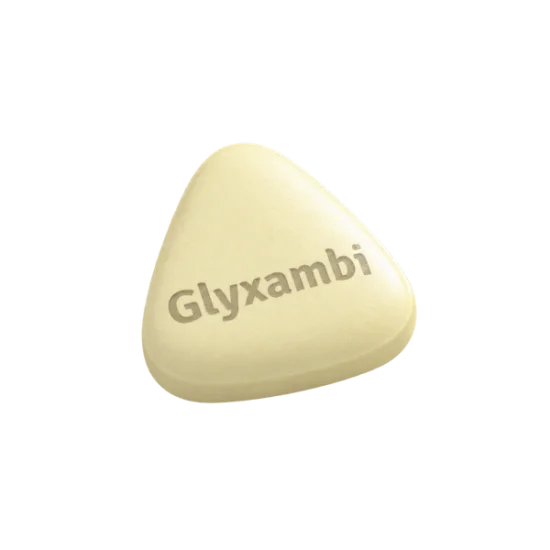
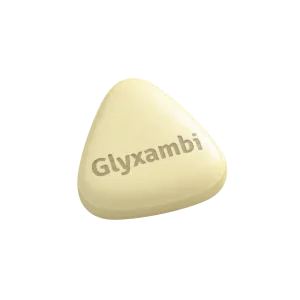
Glyxambi is a fixed-dose combination tablet containing empagliflozin and linagliptin. It is used with diet and physical activity to improve glycaemic control in adults with type 2 diabetes mellitus when a dual treatment approach is clinically appropriate. The combination targets two different biological pathways, which can reduce the need to take separate tablets for each component [1].
Glyxambi is a prescription-only medicine. Treatment should be selected and monitored by a licensed healthcare professional who can assess kidney function, hydration status, blood-glucose results, and other diabetes medicines.
Formulation
Glyxambi is a fixed-dose combination tablet containing the active ingredients empagliflozin and linagliptin. Empagliflozin increases urinary glucose removal, while linagliptin strengthens glucose-dependent insulin release. The combination targets two different biological pathways and may reduce the need to take separate tablets for each component.
Therapeutic indications
Glyxambi is intended for type 2 diabetes, not type 1 diabetes or diabetic ketoacidosis. It may be considered when blood glucose remains above the individual treatment target despite lifestyle measures or when the prescriber determines that both active ingredients are suitable.
The medicine does not replace nutrition planning, movement, glucose monitoring, or routine diabetes reviews. It forms one part of a wider diabetes-management plan.
Dosage and administration
The amount to use and how often to take Glyxambi depend on the treatment purpose, previous treatment, current glucose control, kidney function, and the prescriber’s plan. These details are agreed with a doctor or pharmacist.
The usual administration pattern is one tablet taken orally once daily, with or without food. The exact treatment plan is agreed with a doctor or pharmacist.
- Swallow the tablet with water.
- Take it at a consistent time each day.
- Do not split, crush, or chew the tablet unless a prescriber specifically gives different instructions.
- Maintain normal fluid intake unless a clinician has prescribed fluid restriction.
- Do not take two tablets together to compensate for a missed dose.
Guidance on Missed Doses and Adjustment Protocols
If a dose is missed, take it when remembered unless the next scheduled dose is close. When the next dose is due soon, skip the missed dose and return to the usual schedule. Double dosing can increase unwanted effects without providing a safer improvement in glucose control.
Dosage changes should not be made independently. A higher empagliflozin strength may not be appropriate when kidney function declines, during acute illness, or when dehydration is present.
Reasons not to use it
The following situations require the medicine to be avoided, withheld, or replaced after clinical assessment:
- Previous serious hypersensitivity to empagliflozin, linagliptin, or an excipient.
- Type 1 diabetes or current diabetic ketoacidosis.
- End-stage kidney disease or dialysis.
- Severe reduction in kidney function that prevents the expected benefit or increases risk.
- Severe dehydration, persistent vomiting, or inability to maintain fluid intake.
- Active or recurrent serious urinary or genital infection requiring assessment.
- A history of pancreatitis or unexplained severe abdominal pain requiring review before continued use.
- Pregnancy or breastfeeding, unless a specialist establishes a suitable plan.
Medsafe safety information supports attention to renal function, volume status, ketoacidosis, and genital or urinary infections [3].
When this is not for you
Glyxambi is not suitable for everyone. Not for you if you have type 1 diabetes, active diabetic ketoacidosis, dialysis-dependent kidney disease, or a serious allergy to either active ingredient.
Possible side effects
The most relevant tolerability issues with Glyxambi arise from its two components. Increased urination, thirst, urinary tract infection, genital fungal infection, and nasopharyngitis may occur. Gastrointestinal symptoms, headache, or skin reactions are also possible.
Hypoglycaemia is less likely when Glyxambi is used without insulin or a sulphonylurea. The risk becomes higher when it is taken with insulin, glimepiride, gliclazide, glipizide, glyburide, or another medicine that increases insulin availability.
Evaluation of Common Adverse Reactions
Seek urgent medical help for signs of ketoacidosis, even if the blood-glucose reading is not extremely high. Warning symptoms include nausea, vomiting, abdominal pain, unusual tiredness, rapid or difficult breathing, confusion, or a fruity-smelling breath.
Medical assessment is also needed for severe genital or perineal pain, swelling, fever, rapidly worsening infection, or a serious allergic reaction. Reduced urine output, marked dizziness, or fainting may indicate dehydration or kidney-related complications.
One practical detail is easy to miss: genital itching or burning can be an early sign of a fungal infection rather than simple irritation. Early treatment is usually easier than waiting for symptoms to become severe.
Another detail concerns surgery and prolonged fasting. Empagliflozin may need to be withheld before planned procedures or during acute illness because fasting and dehydration can increase ketoacidosis risk. The timing should be set by the surgical and diabetes teams.
How it affects the body
Empagliflozin and linagliptin act at different sites. Empagliflozin works mainly through the kidneys, while linagliptin works through the incretin hormone system in the intestine and pancreas.
| Active ingredient | Main target | Principal effect |
|---|---|---|
| Empagliflozin | Renal SGLT2 transporter | Increases urinary glucose excretion |
| Linagliptin | DPP-4 enzyme | Preserves active incretin hormones and supports glucose-dependent insulin release |
Renal SGLT2 Inhibition via Empagliflozin
The kidneys normally filter glucose and reclaim much of it through sodium-glucose cotransporter 2, known as SGLT2. Empagliflozin blocks this transporter, so more glucose passes into the urine rather than returning to the bloodstream. This process does not depend on forcing the pancreas to release insulin.
The same renal action also increases sodium excretion and urine volume. Some people therefore notice more frequent urination, thirst, or a greater need to plan access to fluids and toilets, especially during the first weeks.
Incretin Enhancement via Linagliptin
Linagliptin inhibits DPP-4, an enzyme that breaks down the incretin hormones GLP-1 and GIP. Higher active incretin levels help the pancreas release insulin when glucose is elevated and reduce glucagon secretion. Lower glucagon signalling can reduce the liver’s release of glucose from stored glycogen.
The insulin response is glucose-dependent. This helps explain why linagliptin alone has a relatively low risk of hypoglycaemia, although the risk rises when it is combined with insulin or a sulphonylurea.
Empagliflozin does not create a severe insulin spike, and linagliptin does not function by stimulating insulin release regardless of blood-glucose concentration. Their complementary actions are the reason this combination can improve glycaemic control through two pathways [2].
Common mistakes
Several preventable habits can make Glyxambi less tolerable or less useful:
- Taking an extra tablet after a high glucose reading.
- Continuing normal dosing during prolonged vomiting, severe diarrhoea, or fasting without obtaining sick-day guidance.
- Ignoring genital itching, burning, discharge, or urinary pain.
- Stopping insulin when Glyxambi is started.
- Forgetting to mention Glyxambi before surgery or bowel preparation.
- Assuming normal glucose means kidney monitoring is unnecessary.
- Drinking excessive amounts of alcohol while eating poorly or becoming dehydrated.
- Treating dizziness as an unavoidable effect instead of reporting it.
A practical point about glucose readings: compare results under similar conditions, such as before breakfast or two hours after a meal. Random checks can be useful, yet they are harder to interpret when meal timing and activity differ widely.
Comparison
Glyxambi differs from single-agent treatment because it combines renal glucose excretion with incretin-based hormonal regulation. The most suitable option depends on kidney function, cardiovascular and renal status, weight goals, hypoglycaemia risk, tolerability, and the rest of the diabetes regimen.
| Treatment category | Main mechanism | Typical role |
|---|---|---|
| Glyxambi | SGLT2 inhibition plus DPP-4 inhibition | Dual oral treatment for type 2 diabetes |
| Metformin | Reduces hepatic glucose production and improves insulin sensitivity | Common foundational treatment |
| DPP-4 inhibitor alone | Prolongs incretin activity | Oral glucose-lowering treatment with low intrinsic hypoglycaemia risk |
Combination Versus Monotherapy Outcomes
A combination tablet can simplify treatment compared with taking two separate medicines. That convenience may support adherence, yet it does not guarantee better results for every person. Metformin remains a common first-line option when suitable, while a DPP-4 inhibitor alone may be selected when a second mechanism is not needed or when a simpler regimen is preferred.
Glyxambi may increase urination and genital infection risk because of empagliflozin. It may also be less suitable when kidney function is substantially reduced. A single-agent approach can therefore be preferable for some patients after reviewing renal results, adverse effects, and glucose patterns.
What doctors say
In clinical practice, doctors generally assess Glyxambi by asking three practical questions: whether both mechanisms are needed, whether kidney function supports empagliflozin use, and whether the patient can recognise dehydration or hypoglycaemia symptoms.
A physician will usually review glycated haemoglobin rather than judging treatment by isolated daily readings. A single high value after a large meal does not show treatment failure, while a pattern of elevated readings over several weeks may justify a medication review.
Patients often expect increased urination to mean that the medicine is working perfectly. It does indicate the renal mechanism is active, but severe thirst, dizziness, weakness, or very dark urine is a warning of excessive fluid loss rather than a target effect.
Another prescribing detail matters: a combination tablet reduces tablet count, but it also reduces flexibility. If one component needs to be stopped or adjusted, separate medicines may offer more control.
Comparison
Common questions
What happens when Glyxambi is stopped, and does it need tapering?
Stopping Glyxambi can allow blood glucose to rise because the SGLT2 and DPP-4 effects wear off after treatment ends. The medicine is not usually tapered in the same way as a corticosteroid or some psychiatric medicines, but the replacement plan should be agreed before stopping. Medsafe information reviewed in 2025 supports checking the reason for discontinuation, kidney function, hydration, and alternative glucose-lowering treatment . Do not stop insulin or another diabetes medicine at the same time unless the prescriber gives a specific plan.
What should happen after a missed Glyxambi dose?
Take the missed tablet when remembered unless the next dose is due soon. If the next dose is close, skip the missed tablet and resume the regular schedule; do not double the dose. The FDA prescribing information reviewed in 2024 uses this type of missed-dose approach for empagliflozin and linagliptin combination therapy . Vomiting or diarrhoea after taking the tablet creates a separate sick-day issue, so obtain clinical advice if fluid intake is poor. A pharmacist can help you decide whether the next dose should be taken.
How long does one Glyxambi dose keep working?
A once-daily dose is intended to provide glucose-lowering activity across the day, with empagliflozin acting through renal glucose excretion and linagliptin maintaining incretin activity. The clinical effect is not a fixed guarantee that glucose will remain controlled for a specific number of hours because meals, activity, kidney function, and other medicines also matter. EMA product information reviewed in 2025 describes once-daily administration and the pharmacological properties of both components . Missing several doses can reduce treatment coverage and may lead to higher readings.
Which condition rules out Glyxambi?
Type 1 diabetes and active diabetic ketoacidosis rule out Glyxambi use. End-stage kidney disease or dialysis also makes the empagliflozin component unsuitable, and a serious previous allergic reaction to either active ingredient is a clear reason to avoid it. WHO guidance published in 2018 distinguishes type 1 from type 2 diabetes treatment and supports individual assessment of kidney disease and acute metabolic complications [4]. Severe dehydration or prolonged fasting may require temporary interruption even when the medicine was previously appropriate.
Can older adults use Glyxambi?
Older adults may use Glyxambi when the prescriber considers renal function, hydration, blood pressure, falls risk, and the full medication list. Age alone does not determine suitability, yet reduced thirst, diuretic use, and reduced kidney reserve can make dehydration more difficult to recognise. Medsafe information reviewed in 2025 highlights renal monitoring and volume status as important factors for empagliflozin-containing treatment . Older patients should report dizziness, weakness, reduced urination, genital symptoms, or repeated low-glucose readings promptly.
Do you offer anonymous delivery?
Your order will be securely packed and shipped within 24 hours. This is exactly what your package will look like (images of an actual item sent). It has the size and look of a regular private letter (24x11x0.7 cm) and its contents cannot be seen.
Sources
- Medsafe (2025). Data Sheet and Consumer Medicine Information for Glyxambi.
- U.S. Food and Drug Administration (2024). Glyxambi (empagliflozin and linagliptin) Prescribing Information.
- Medsafe (2025). Medsafe Prescriber Update: SGLT2 Inhibitors and Risks Related to Ketoacidosis, Dehydration and Genital Infections.
- World Health Organization (2018). WHO guideline on the pharmacological treatment of persisting hyperglycaemia in type 2 diabetes.
Reviews: Glyxambi
The single tablet was easier than remembering two separate medicines. I developed itching and burning after several weeks, and treatment for the infection helped, but I did not want to restart without a medication review.
My glycated haemoglobin improved over the follow-up period. The downside was thirst during a hot spell, and I learned that missing fluids made me feel light-headed.
I expected the medicine to correct every high reading. It did not. Meal size still mattered, and I needed a clearer plan for days when I was unwell.
The tablet fitted my routine and I had no low readings while taking it without insulin. I still needed regular kidney checks, which made the treatment feel less simple than I first expected.