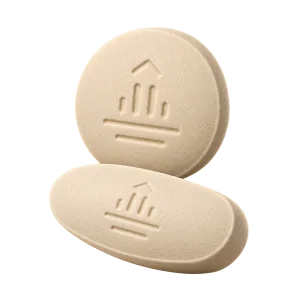
I used Glucophage with my evening meal for several months. The first week brought loose stools, but the problem eased after the prescribed dose was adjusted. My glucose notes became more useful once I recorded meals as well.
Glucophage
Glucophage helps adults with type 2 diabetes control blood sugar alongside nutrition, physical activity and glucose monitoring. Its active ingredient, metformin, reduces glucose production in the liver and helps the body respond to insulin more effectively.
Formulation
Type 2 diabetes occurs when the body does not respond properly to insulin and cannot regulate blood glucose efficiently. Metformin supports blood sugar control, but it does not replace nutrition planning, physical activity or regular glucose checks. The medicine’s clinical role and dose depend on kidney function, glucose results, formulation and individual tolerability [1].
Active Ingredient and Pharmacological Class
Metformin is the active ingredient in Glucophage. It belongs to the biguanide class of glucose-lowering medicines. Unlike insulin, metformin does not supply a hormone to the body. Its main actions are reducing glucose release from the liver and improving insulin sensitivity in body tissues.
The prescribed strength, formulation and daily schedule must follow the treatment plan agreed with a doctor or pharmacist. Different tablet formulations may have different administration instructions.
Therapeutic indications
Approved Role in Type 2 Diabetes Care
Glucophage is used as part of treatment for adults with type 2 diabetes. It may be used alone or alongside other diabetes medicines when blood glucose remains above the person’s agreed target. It is not a cure for diabetes and should not be treated as a replacement for a balanced eating pattern, regular movement or monitoring. Treatment goals may change as health status changes. Review the plan when glucose patterns, kidney function or other medicines change.
The aim is steady glucose control rather than a sudden fall in blood sugar. HbA1c testing gives a longer-term view of glucose control, while home readings show how food, illness, activity and medicines affect glucose during the day.
Dosage and administration
The amount and frequency of Glucophage depend on the purpose of treatment and are agreed with a doctor or pharmacist. The dose may be adjusted gradually to improve tolerability and match glucose control. Follow the prescribed instructions for the specific tablet formulation.
- Swallow the tablets exactly as prescribed.
- Take them with food when instructed, especially if nausea or diarrhoea occurs.
- Do not crush or chew a modified-release tablet unless a prescriber or pharmacist has confirmed that it is suitable.
- If a dose is missed, take the next dose at the usual time unless a clinician gives different instructions.
- Do not double the next dose to compensate for a missed tablet.
- Keep a record of glucose readings and troublesome symptoms during dose changes.
- Tell the treating team about vomiting, diarrhoea, dehydration, fever or reduced fluid intake.
Digestive effects can be more noticeable when treatment begins at a higher dose or when tablets are taken without food. A lower prescribed starting dose and gradual adjustment may improve tolerance, but the regimen should not be altered without clinical advice.
Reasons not to use it
Treatment requires specific clinical review in people with:
- Severe kidney impairment
- Acute kidney injury or rapidly changing kidney function
- Severe dehydration
- Serious infection or illness causing reduced oxygen supply
- Significant liver disease
- Previous lactic acidosis
- Heavy alcohol intake or repeated episodes of acute intoxication
- A planned procedure involving contrast or major surgery
When this is not for you
Glucophage may not be for you if you have severe kidney impairment, acute dehydration or another contraindication; ask a clinician to assess your options. Pregnancy, breastfeeding, liver disease and reduced kidney function require individual assessment. Glucophage may remain appropriate in some situations, but the treatment decision must account for glucose targets, kidney results and the wider clinical picture.
Possible side effects
Metformin is widely used, but side effects can occur. The most familiar effects involve the digestive system and often appear during the first part of treatment or after a dose increase. The New Zealand Medsafe data sheet describes gastrointestinal symptoms as recognised adverse effects of metformin therapy [2].
Digestive Effects and Tolerability
Possible effects include:
- Diarrhoea
- Nausea or vomiting
- Abdominal discomfort
- Reduced appetite
- A metallic taste in the mouth
- Headache
Persistent diarrhoea or vomiting can cause dehydration, which may make metformin treatment less suitable temporarily. Severe or continuing symptoms need clinical review rather than self-treatment. A person who cannot keep fluids down should seek prompt medical guidance.
The metallic taste can be unpleasant but is usually not dangerous by itself. Headache may also have causes unrelated to metformin, such as dehydration, illness or changing glucose levels.
Vitamin B12 Monitoring
Long-term metformin treatment can be associated with a low vitamin B12 level. Risk may be higher with prolonged use, higher total exposure, pre-existing B12 risk factors or symptoms such as unexplained tiredness, sore tongue, numbness or tingling.
Testing is a clinical decision. A low result may require investigation of diet, absorption, other medicines and the appropriate replacement approach. People should not assume that every episode of fatigue is caused by B12 deficiency.
Lactic Acidosis Warning Signs
Lactic acidosis is rare but serious. It involves excessive lactic acid in the blood and requires urgent medical assessment. Risk can increase when kidney function is significantly reduced or during severe illness, dehydration, conditions causing low oxygen levels, or certain procedures.
Seek urgent help for:
- Severe weakness or unusual sleepiness
- Difficulty breathing
- Persistent vomiting
- Severe abdominal discomfort
- Feeling cold, faint or confused
- Rapid deterioration during an acute illness
How it affects the body
Metformin reduces glucose production in the liver and helps the body respond to insulin more effectively. These effects improve glucose regulation and support lower blood sugar levels in adults with type 2 diabetes.
Common mistakes
Frequent mistakes include:
- Doubling a missed dose.
- Taking tablets without food despite repeated nausea or diarrhoea.
- Stopping treatment during an illness without receiving a temporary plan.
- Assuming every dizzy episode is hypoglycaemia.
- Using glucose tablets for repeated low readings without investigating the cause.
- Forgetting to mention Glucophage before a contrast scan.
- Ignoring unexplained fatigue, numbness or tingling that may warrant B12 testing.
- Treating severe vomiting or dehydration as a minor digestive side effect.
A glucose record is more useful when it includes meal timing, activity, illness symptoms and other medicines. Repeated low readings, unexplained fatigue, continuing gastrointestinal symptoms or a major change in eating patterns should prompt a treatment review with the diabetes care team.
Comparison
Metformin, insulin and glucose tablets have different clinical purposes.
| Treatment | Main purpose and use |
|---|---|
| Metformin | Supports ongoing blood sugar control by reducing liver glucose production and improving insulin sensitivity; taken orally |
| Insulin | Replaces or supplements insulin when the body cannot produce enough; administered by injection or another prescribed route and carries a higher hypoglycaemia risk |
| Glucose tablets | Provide rapid carbohydrate for an alert person with low blood glucose; they do not control diabetes between episodes |
Metformin may be a useful foundation for type 2 diabetes treatment, yet it is not appropriate for every patient. Insulin may be essential when insulin production is insufficient, during some acute illnesses or in specific pregnancy-related situations. Choice of treatment depends on diagnosis, glucose levels, kidney function, pregnancy status, other medicines and individual goals.
What doctors say
In clinical practice, doctors usually judge metformin by the pattern of results over time rather than by one isolated glucose reading. HbA1c, kidney function and treatment tolerability guide decisions about continuation or adjustment.
A useful review also asks whether the person is eating regularly, experiencing dehydration, missing doses, taking another medicine that affects glucose or noticing symptoms of hypoglycaemia. The American Diabetes Association describes medication choice as an individualised process that considers glucose goals, adverse effects, comorbidities and patient preferences [3].
Patients sometimes expect metformin to produce an immediate sensation. It usually does not. The meaningful indicators are glucose records, HbA1c trends, symptom changes and the ability to continue treatment without troublesome adverse effects.
Comparison
Common questions
Can Glucophage be taken with food or on an empty stomach?
Taking metformin with food can reduce nausea, abdominal discomfort and diarrhoea for some people. The FDA’s 2022 prescribing information for Glucophage describes administration with meals to improve gastrointestinal tolerability [4]. Follow the instructions for the specific tablet formulation and prescribed schedule. If symptoms persist despite taking it with food, arrange a medication review rather than changing the dose independently.
Which diet, exercise or habits help Glucophage work better?
Regular meals, a consistent carbohydrate pattern, suitable physical activity and glucose monitoring support type 2 diabetes management. NICE guidance updated in 2022 recommends individualised lifestyle support alongside glucose-lowering treatment. Very heavy alcohol intake, missed meals, dehydration and sudden changes in activity can complicate glucose control. A diabetes care team can help match food and exercise plans to the person’s medicines.
What is the best time of day to take Glucophage?
The best time depends on the prescribed schedule and formulation. Many people take immediate-release tablets with meals, while modified-release products may follow a different routine. The Medsafe metformin data sheet from 2023 advises following the prescribed administration instructions for the relevant formulation. Linking the dose with the appropriate meal can make it easier to remember and may improve digestive tolerance.
Does Glucophage cause hypoglycaemia?
Metformin alone usually has a low risk of hypoglycaemia because it does not normally stimulate extra insulin release. The risk changes when it is combined with insulin or other glucose-lowering medicines. The American Diabetes Association’s 2024 Standards of Care identify treatment combinations and insulin use as important factors when assessing hypoglycaemia risk. Beta-blockers such as atenolol, metoprolol and propranolol may also make warning symptoms less obvious.
How should Glucophage be stored at home and while travelling?
Keep tablets in a dry place at ordinary room temperature, away from excess heat and moisture. During travel, carry them in hand luggage or another accessible medication container rather than leaving them in a hot vehicle. The World Health Organization’s 2020 Package of Essential Noncommunicable Disease Interventions supports maintaining access to essential medicines and monitoring supplies during travel and illness. Carry glucose-monitoring equipment and prescribed glucose tablets when they form part of the diabetes plan.
Can Glucophage be combined with other medicines or supplements?
Some combinations require review, including acetazolamide, cimetidine, dichlorphenamide, dolutegravir, ranolazine, topiramate, vandetanib and zonisamide. Medsafe’s 2023 metformin information identifies the need to consider renal function, drug interactions and conditions that can increase lactic acidosis risk. Provide a complete list of medicines and supplements before starting, stopping or changing treatment. Contrast procedures also require advance disclosure of metformin use.
What should happen if the expected blood sugar result does not come?
Do not take extra Glucophage to force a lower reading. Review the glucose record, meal pattern, activity, missed doses, illness and other medicines, then arrange a treatment assessment. NICE guidance from 2022 supports reviewing glucose-lowering therapy when agreed targets are not reached or adverse effects limit treatment. Urgent help is needed for severe weakness, breathing difficulty, persistent vomiting, confusion, inability to swallow or suspected severe hypoglycaemia.
Do you offer anonymous delivery?
Your order will be securely packed and shipped within 24 hours. This is exactly what your package will look like (images of an actual item sent). It has the size and look of a regular private letter (24x11x0.7 cm) and its contents cannot be seen.
Sources
- U.S. Food and Drug Administration (2022). Glucophage (metformin hydrochloride) Prescribing Information.
- Medsafe (2023). Metformin Data Sheet.
- American Diabetes Association (2024). Standards of Care in Diabetes—2024.
- National Institute for Health and Care Excellence (2022). Type 2 diabetes in adults: management, NICE guideline NG28.
Reviews: Glucophage
I had a metallic taste and mild nausea during the first fortnight. Taking the tablet with food helped. I was pleased with steadier readings, although I still needed to improve my activity and meal routine.
After a stomach illness I stopped drinking properly and felt unusually weak. I contacted the diabetes team rather than taking another dose automatically, and they reviewed my treatment and kidney blood test.
Glucophage fitted into my routine, but I initially confused dizziness with low blood sugar. Checking the reading showed that it was not always hypoglycaemia, so I stopped using glucose tablets without checking first.